5 Small Bedroom Ideas That Can Make Your Room Feel So Much Bigger
Give the Bed Room to Breathe
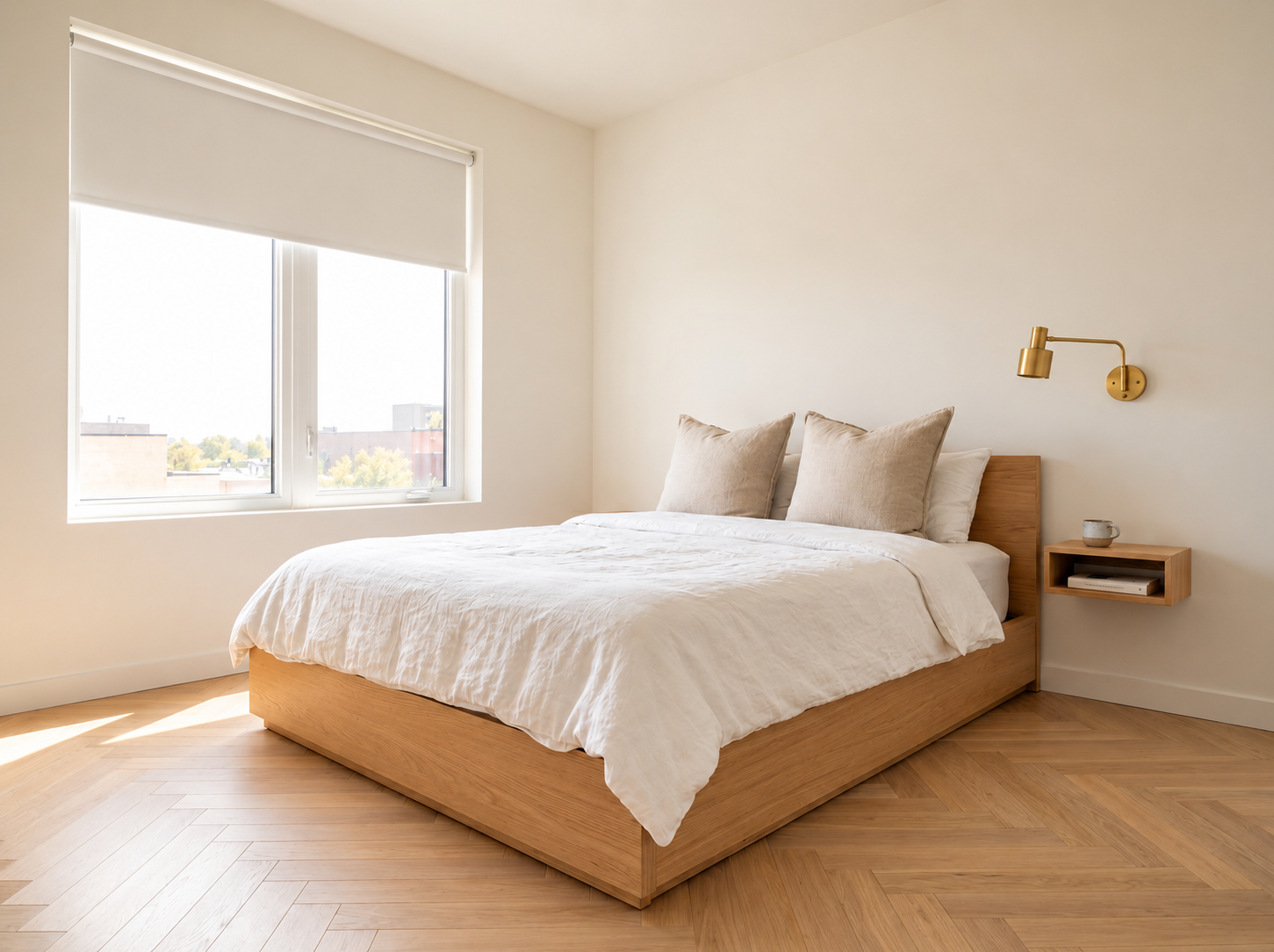
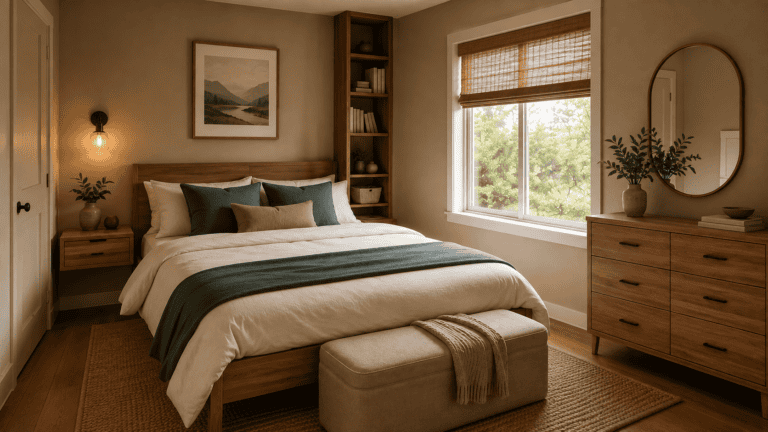
The bed is the room. In a small bedroom, every other decision radiates outward from where you choose to place it and how much space you allow around it. A small bedroom that feels spacious almost always has one thing in common — the bed is not pushed against every available wall, fighting for room it was never given.
Even a modest gap between the bed and the furniture beside it changes how the room feels to move through. Space is not wasted here — it is doing the quiet work of making the room feel considered rather than cramped.
When the bed is positioned with intention, the rest of the room follows. Nightstands, lighting, and textiles all fall into a natural rhythm around it.
Key Points
Let Daylight Make the Room Feel Bigger
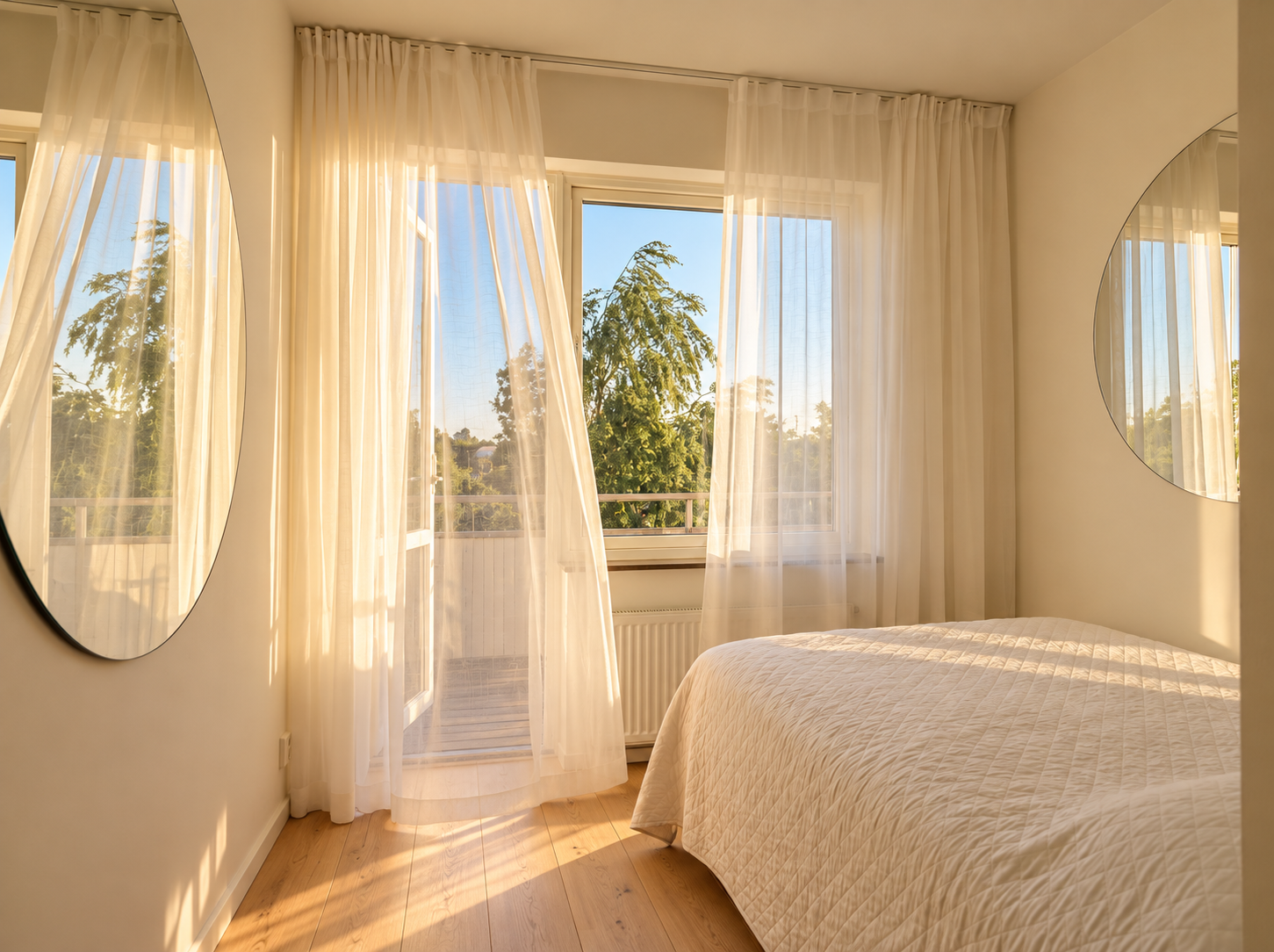
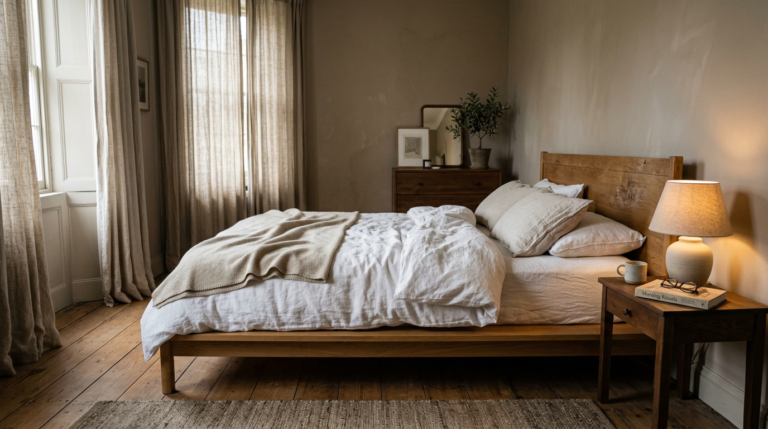
Light is the most underused resource in a small bedroom. A window kept clear of heavy curtains, a blind that diffuses rather than blocks — these small decisions change the entire quality of a room. Natural light in a bedroom does more to expand the perceived size of a space than almost any structural change could.
Mirrors placed opposite or beside a window reflect daylight back into the room, effectively doubling its reach. A pale wall colour near the window carries the light further inward, softening the boundary between inside and outside.
The goal is not brightness for its own sake — it is that quality of even, diffused light that makes a room feel open rather than enclosed.
Keep the Floor Feeling Open and Uncluttered
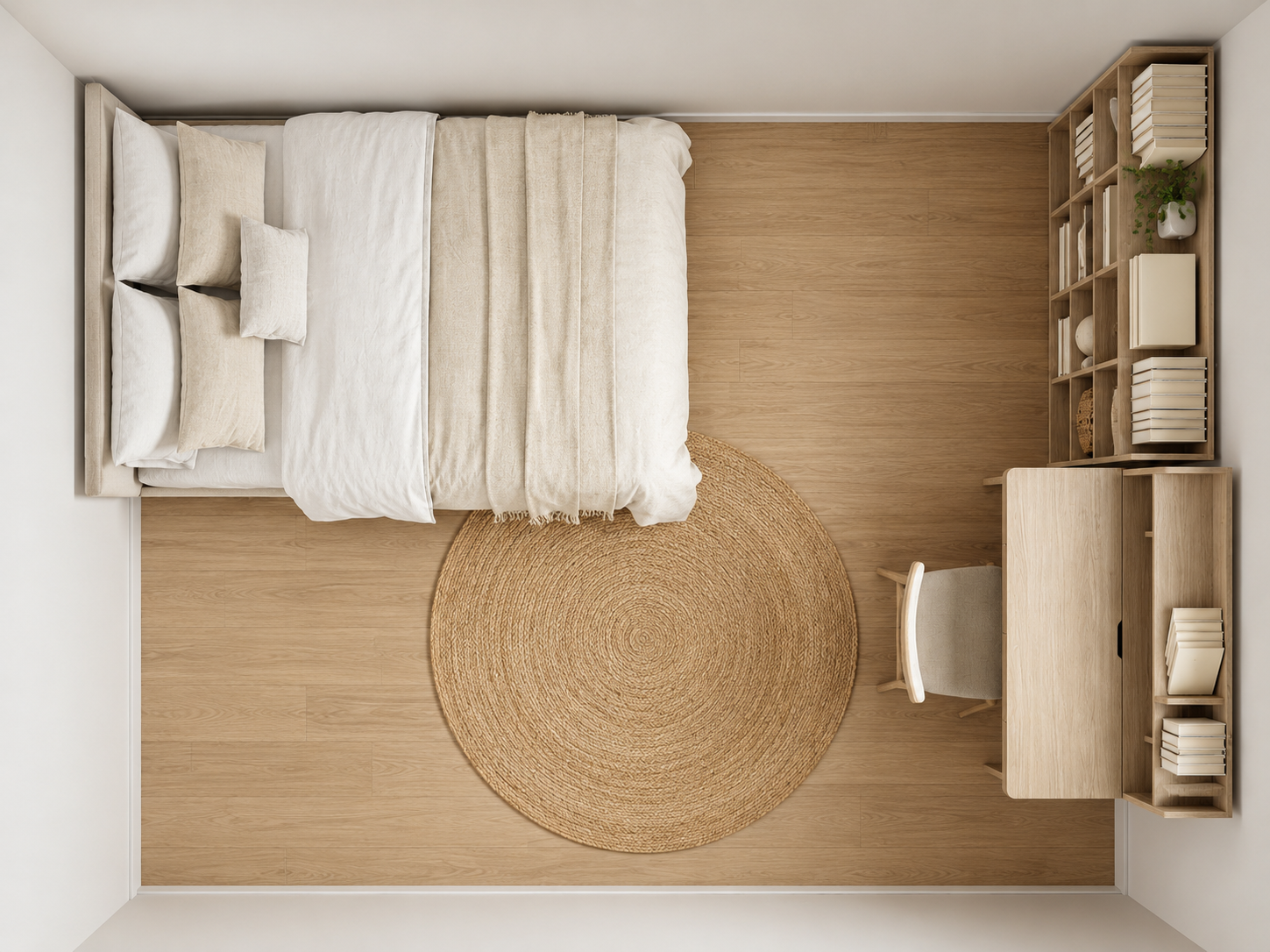
Seeing a room from above strips away the atmosphere and reveals only its logic. In a small bedroom, that logic matters enormously — whether the flow between the door, the bed, and the storage is natural or forced tells you immediately whether the layout is working. A well-planned small bedroom layout wastes nothing and forces nothing.
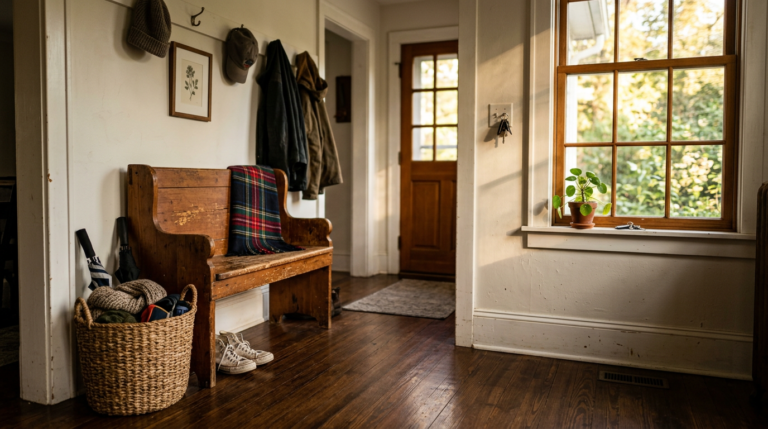
The path through the room should feel easy. If reaching the wardrobe means navigating around the end of the bed, or if the door opens into furniture, the layout is working against you rather than with you.
Small adjustments to position — a bed shifted ten centimetres, a chest of drawers moved to a different wall — can resolve this completely without buying or removing anything.
Make One Small Corner Feel Like Yours
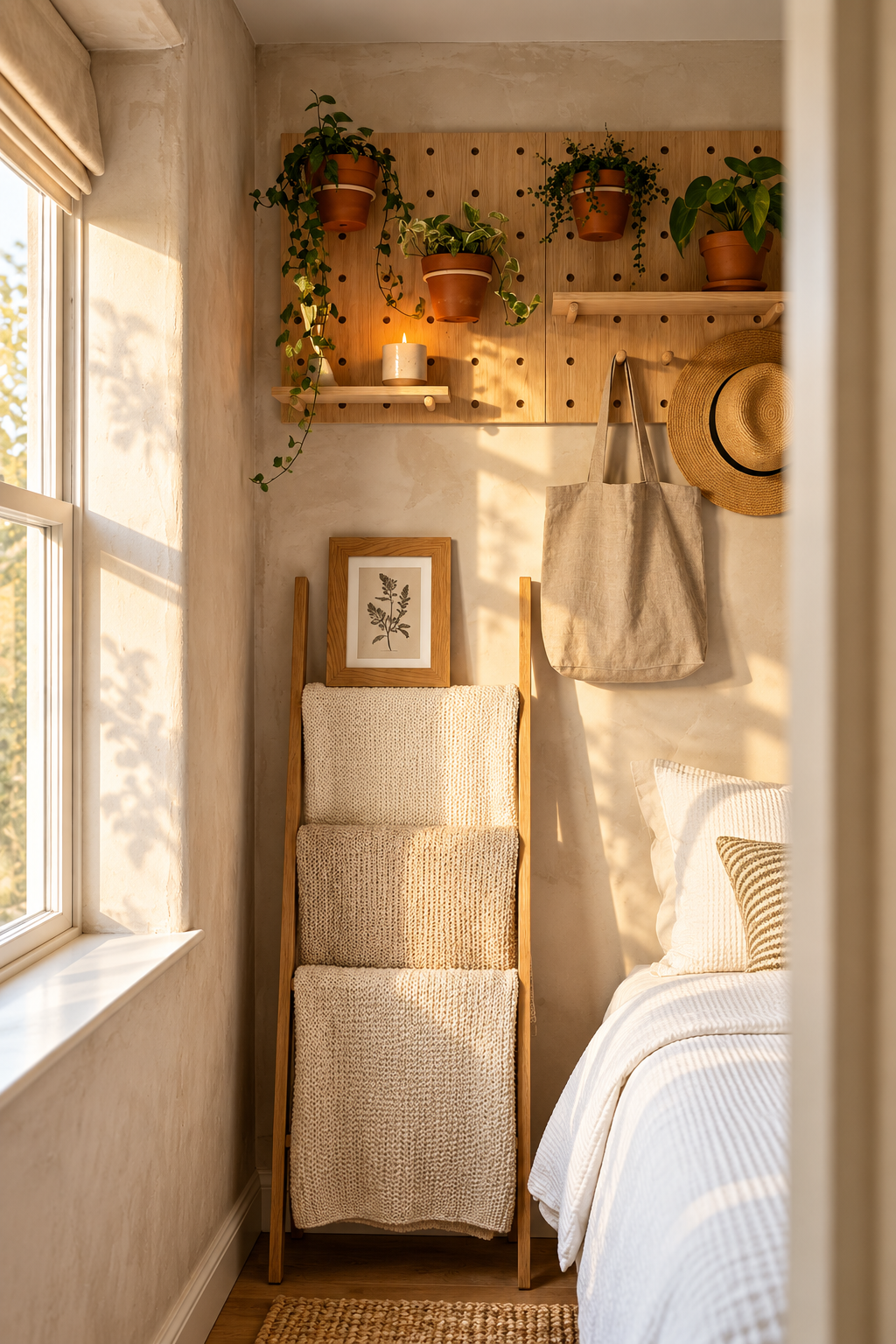
A bedroom that functions only as a place to sleep rarely feels truly restful. The rooms that feel most personal always have a corner that belongs to something other than sleep — a small chair, a lamp, a shelf holding the things that matter. Creating a personal corner in a bedroom gives the room a second reason to exist, and that changes its atmosphere entirely.
It does not need to be large. A chair beside the window with a lamp above it is enough. The intention is what matters — a deliberate acknowledgement that the room is for living in, not only sleeping in.
That small act of personalisation is often what transforms a bedroom from somewhere functional into somewhere genuinely worth returning to.
See How Small Changes Can Change the Whole Room
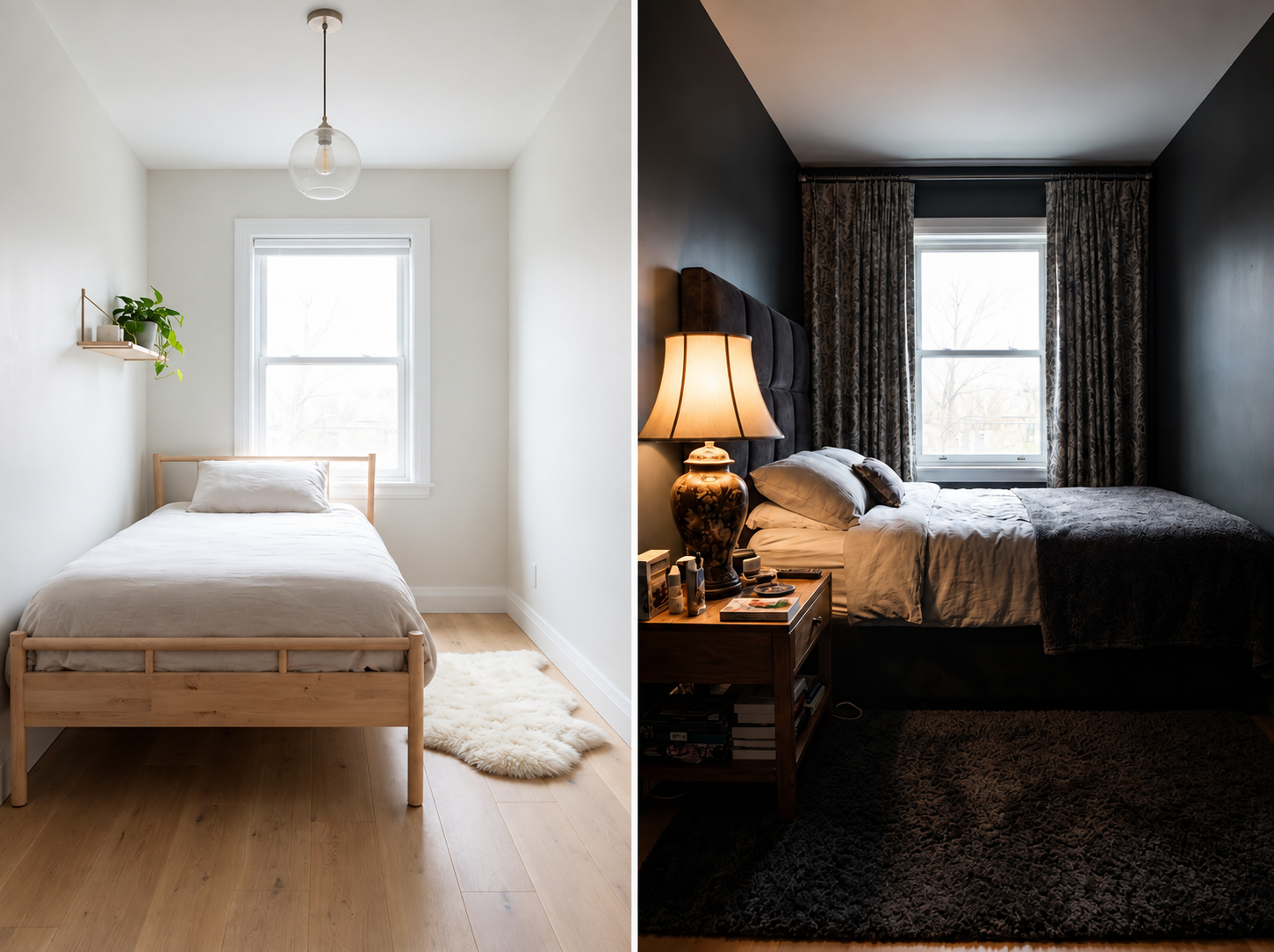
The most significant transformations in a small bedroom rarely involve renovation. They involve looking carefully at what is already there and making better decisions about it. Small bedroom changes that make a real difference are almost always about editing, repositioning, and choosing with more intention — not about buying more.
A different position for the bed. Curtains hung from ceiling height rather than from the window frame. Bedside lighting moved from a lamp on the floor to a wall sconce that frees up surface space. These changes cost very little and read as significant.
The room you already have is almost always closer to the room you want than it appears. It usually only needs someone to look at it differently — to see the potential in what is already there rather than what is missing.
Frequently Asked Questions
Repositioning the bed almost always has the greatest impact. When the bed is placed with space around it — even a modest gap — the entire room feels more considered and more generous. It is the one change that costs nothing and changes everything about how the room reads.
Clear the surfaces first. A nightstand with one lamp and one object is always calmer than one covered in things. Then look at what is on the floor — removing anything that does not belong there immediately opens the room. Calm comes from what is absent as much as from what is present.
They do — but placement matters. A mirror opposite or beside a window reflects daylight back into the room and creates a sense of depth that genuinely changes how the space reads. A mirror on a dark internal wall has far less effect. Position is everything.
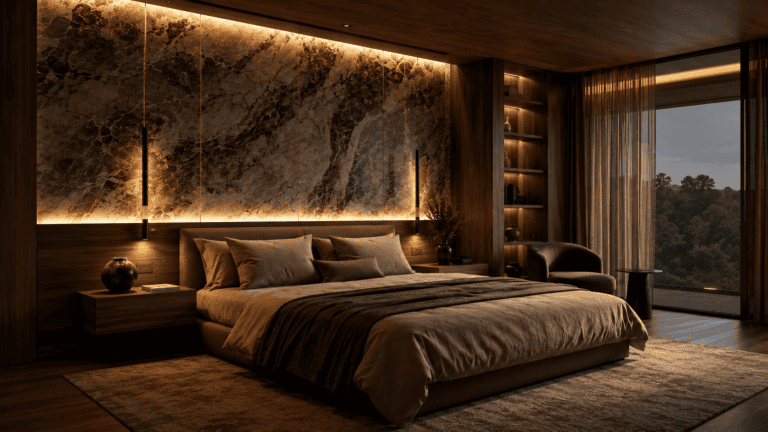
Pale, warm neutrals — soft whites, warm linens, muted stone tones — reflect light and make boundaries feel less defined. Dark colours can work beautifully in small bedrooms but require good natural light and considered artificial lighting to prevent the room from feeling enclosed. The finish matters too: matte paint absorbs light more softly than eggshell or satin.
Build upward rather than outward. Tall, narrow storage draws the eye up and uses vertical space that is often completely ignored. Under-bed storage with a proper bed frame keeps the floor clear. The goal is always to consolidate storage into as few pieces as possible — one considered wardrobe will always feel calmer than three mismatched shelving units.