Why Your Room Doesn’t Look Like the Photos — And How to Fix It
The Difference Is Often in the Details You Don’t Notice
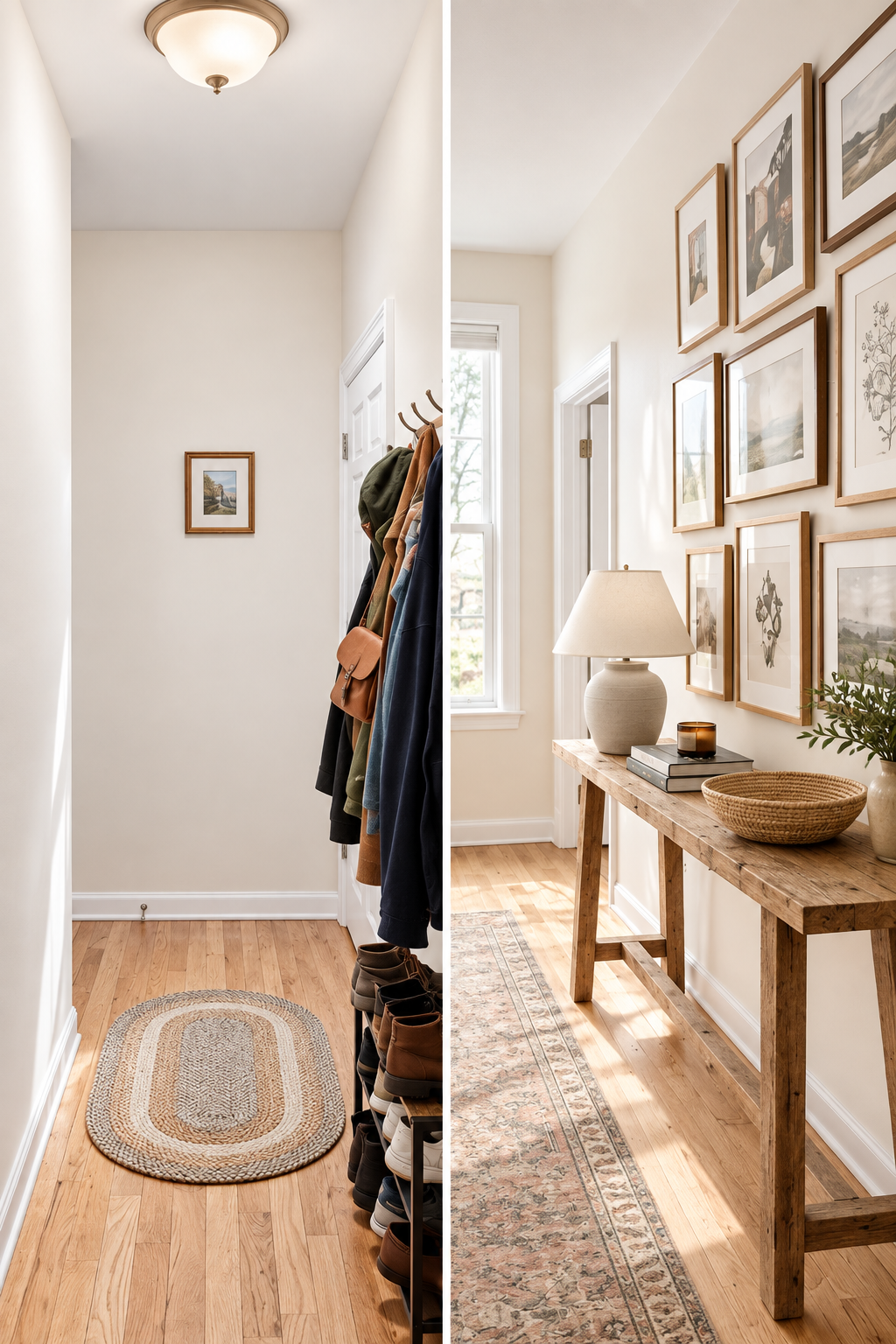
The homes that feel most expensive are rarely the ones with the largest budgets. What makes a home feel expensive is almost always a collection of small decisions — the weight of a door handle, the finish on a tap, a light fitting that sits exactly right.
Nobody consciously notices these things. They simply feel them — as quality, as care, as the sense that someone thought about every corner of the room.
Lighting Can Change More Than the Furniture Does
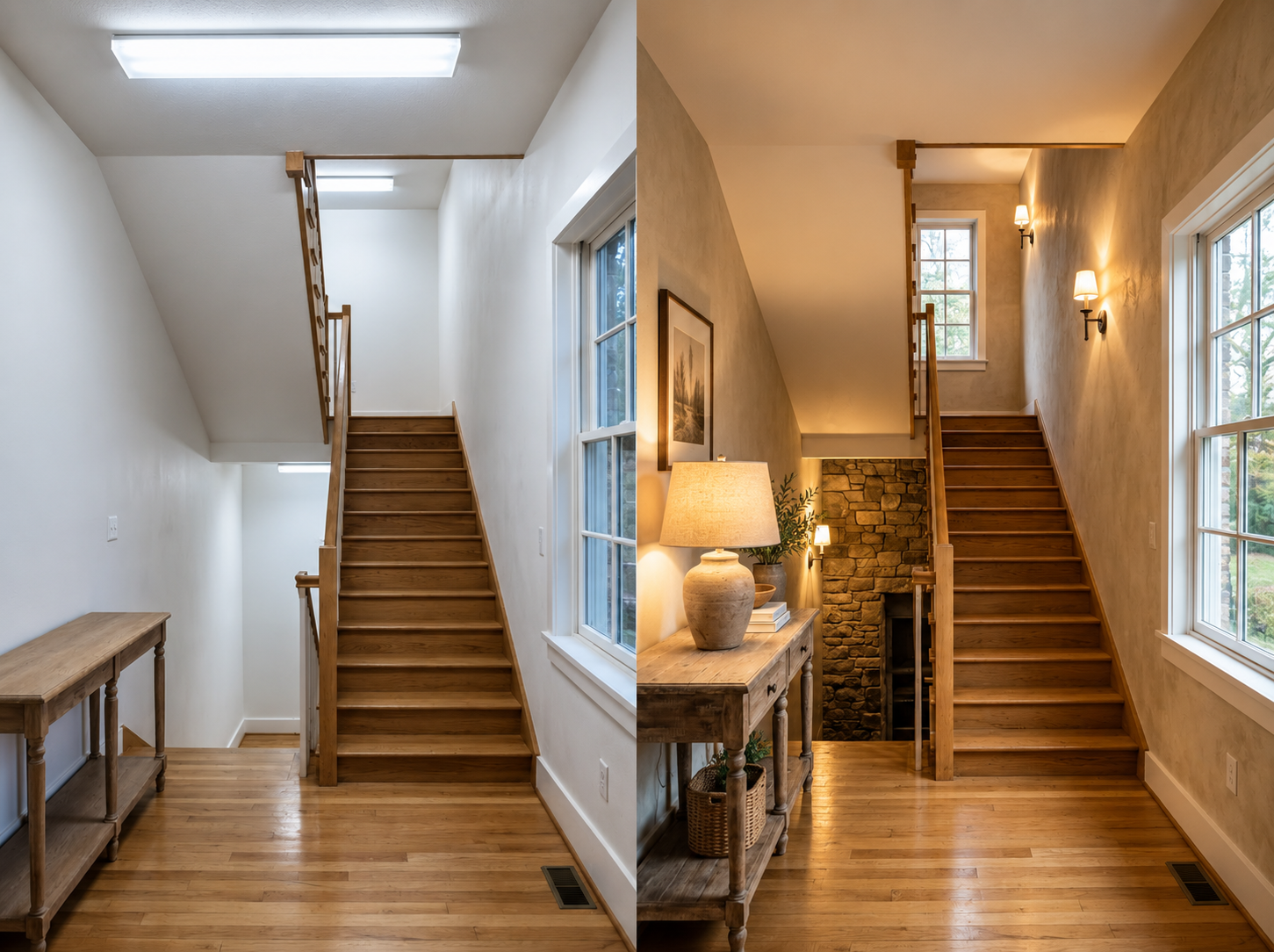
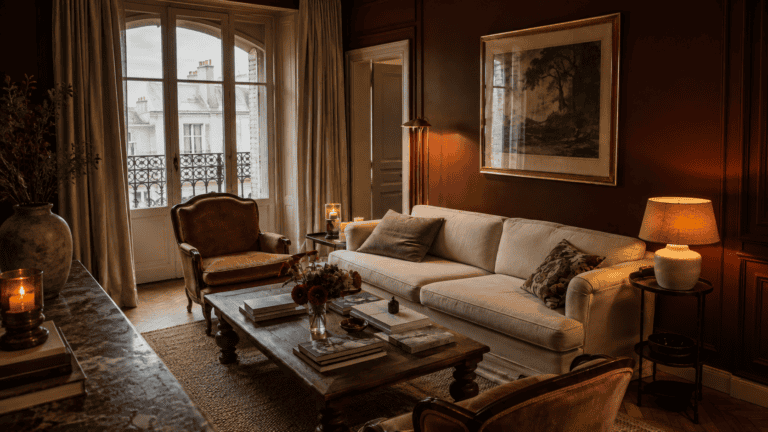
A single overhead light does one thing — it illuminates. Layered interior lighting from floor lamps and table lamps creates something altogether different: shadow, depth and the kind of warmth that makes a room feel genuinely inhabited.
Switch the ceiling light off one evening and let lamps alone light the room. The furniture has not moved, but the space feels entirely different — more considered, more intimate, more refined.
Give Blank Walls More Character and Depth
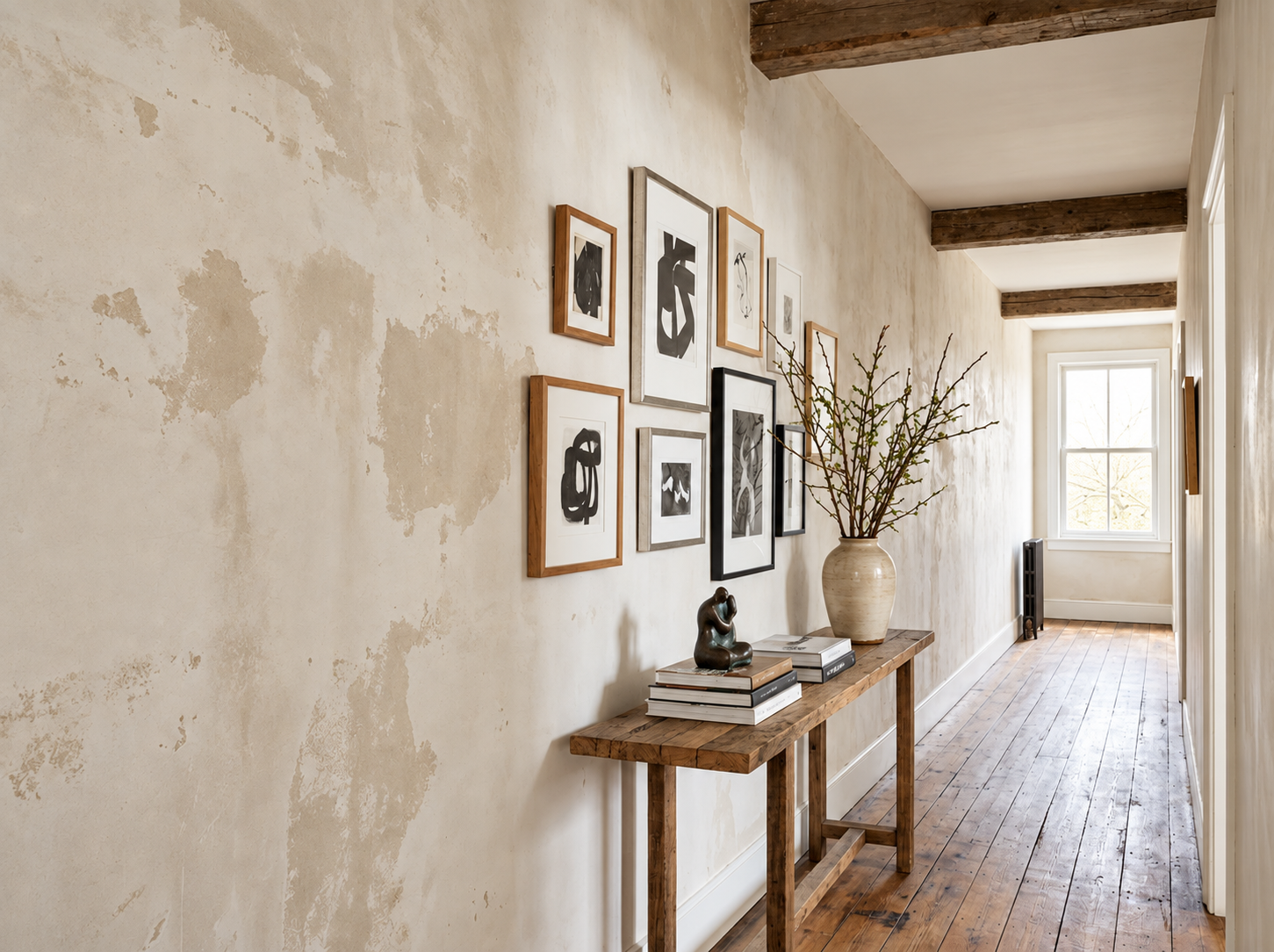
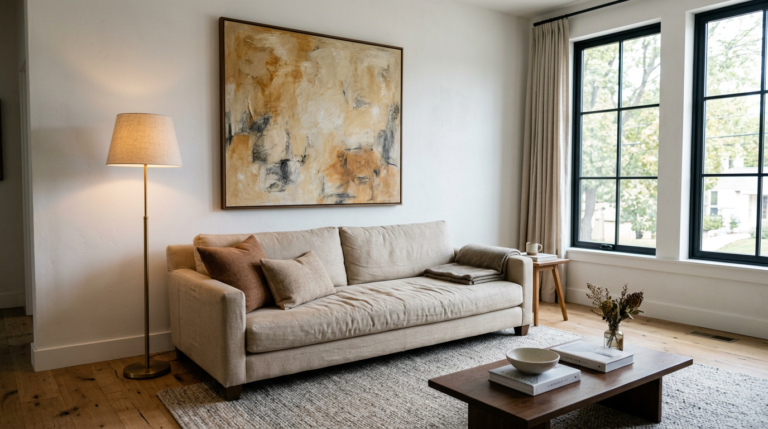
A bare wall does not feel minimal — it feels unfinished. Adding character to interior walls does not require a full renovation. One well-proportioned piece, hung at the right height, does more than a collection of small prints scattered without thought.
Architectural moulding, a panel of limewash paint or a carefully placed mirror can give a plain wall the kind of presence that makes the whole room feel more deliberate.
Make the Room Feel Finished, Not Just Decorated
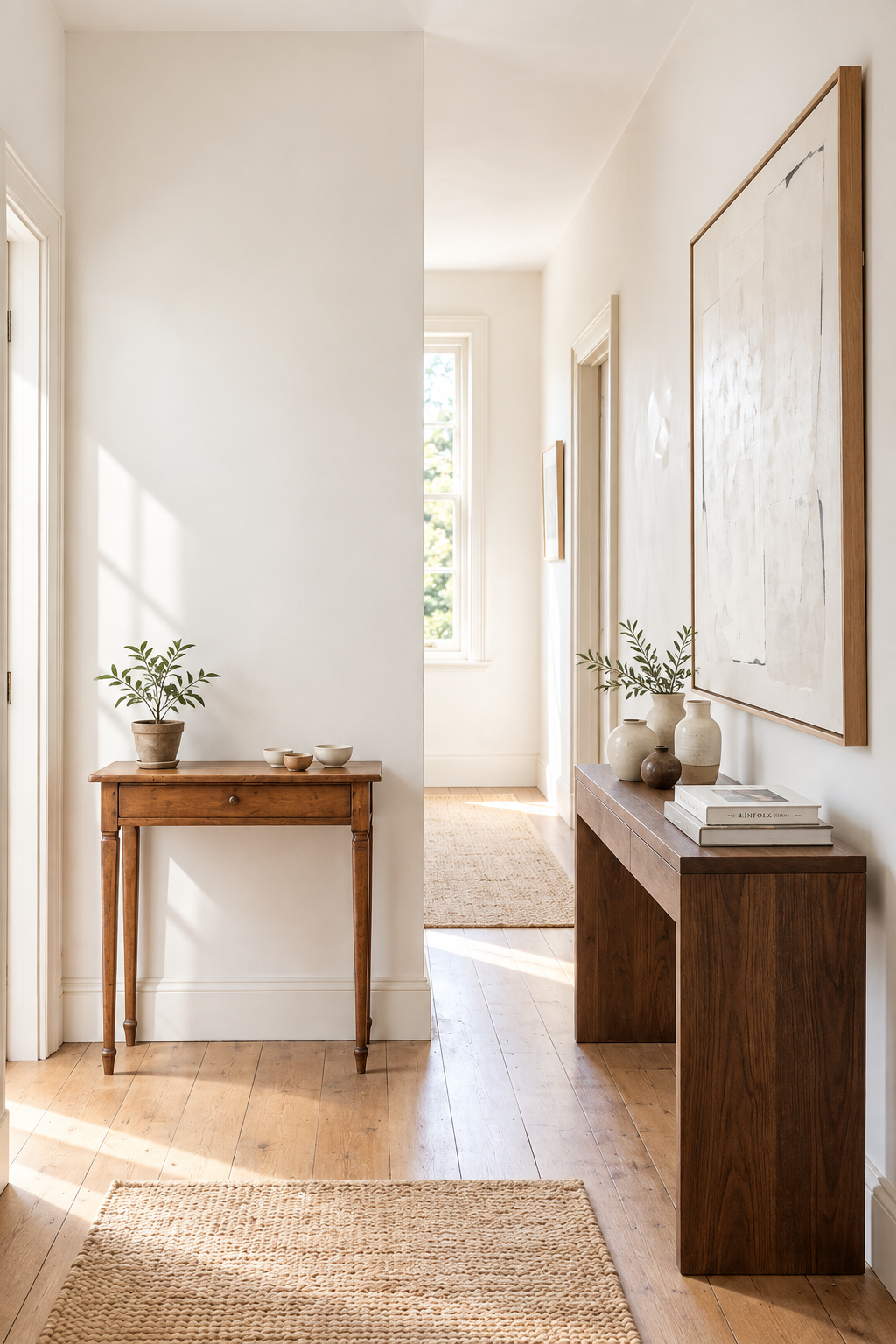
Decoration without intention looks like accumulation. Making a room feel truly finished means every object has a reason to be there — not as a filler, not out of habit, but because it contributes something to the whole composition.
Step back and look at each surface. If removing something would not be missed, it does not belong. The rooms that feel most resolved are always the ones where editing was taken as seriously as choosing.
Get the Scale Right Before Adding More Decor
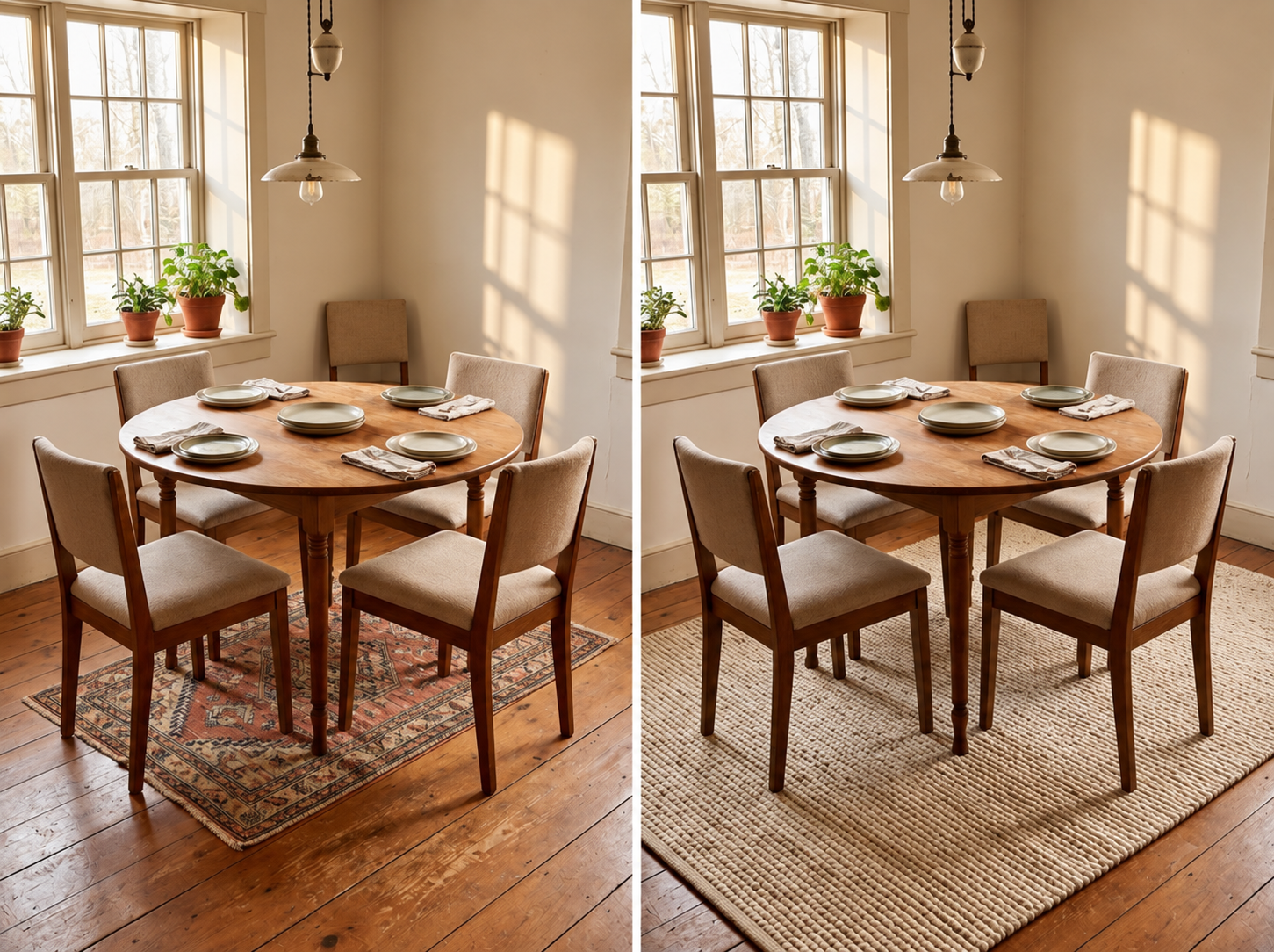
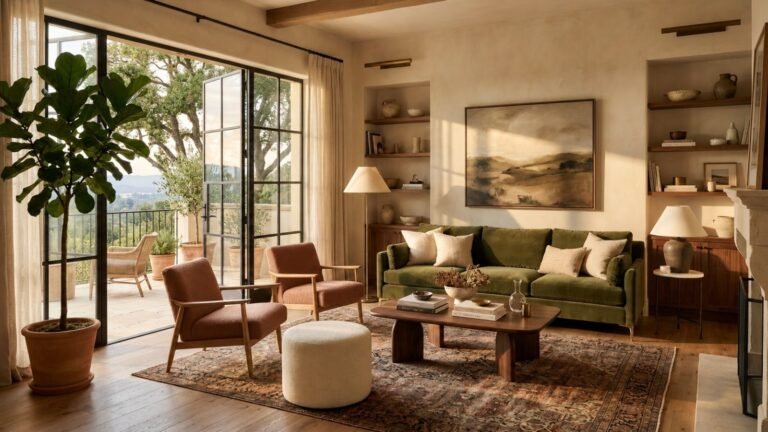
Getting furniture scale right — choosing pieces generous enough to fill the room with confidence — immediately changes how expensive a space feels, without adding a single new object.
An undersized sofa, artwork too small for its wall, a rug that does not reach the furniture legs — these are the things that make a room feel incomplete. Proportion, chosen carefully, resolves them all.
Let the Room Look Lived-In Without Looking Cluttered
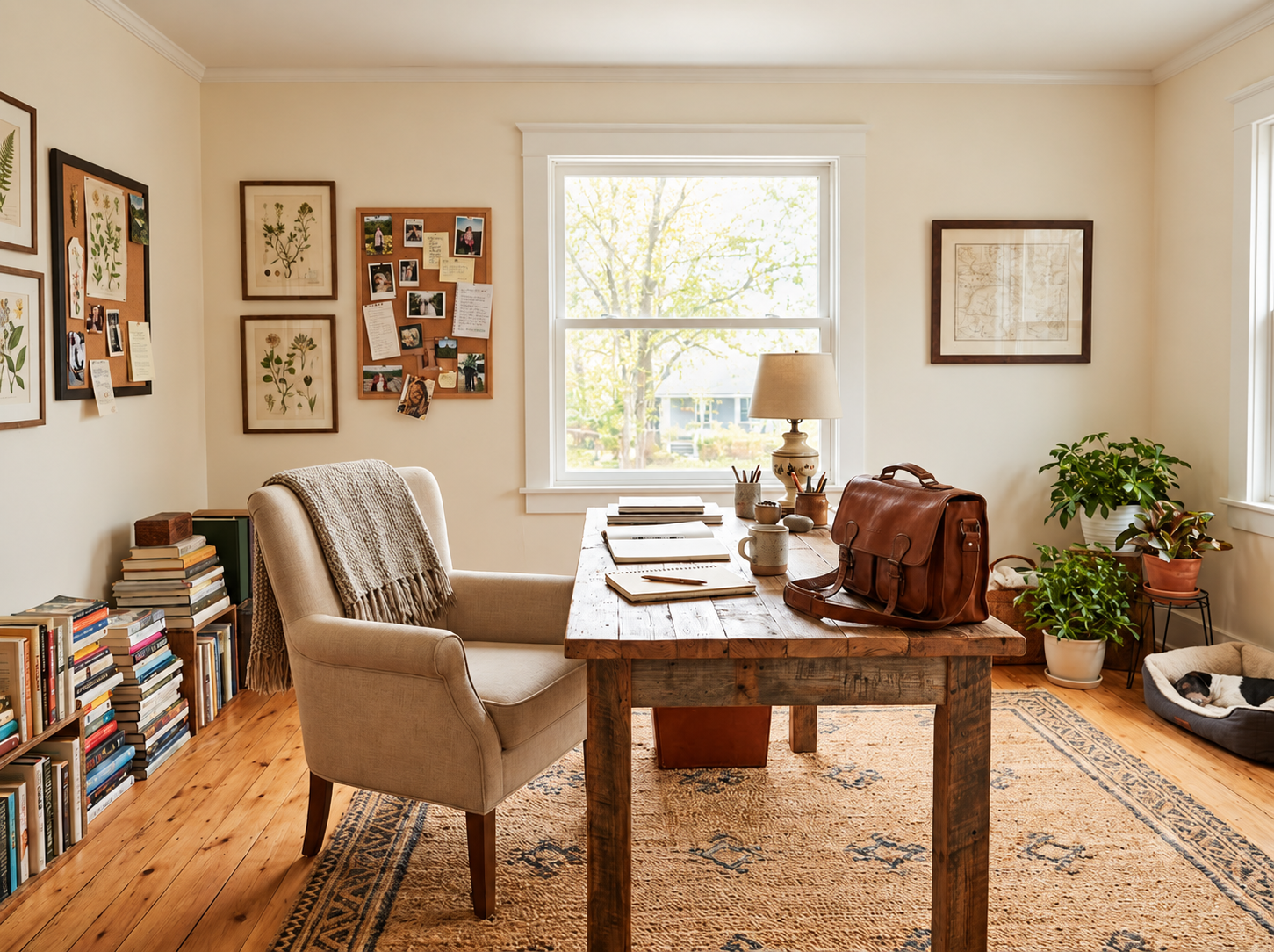
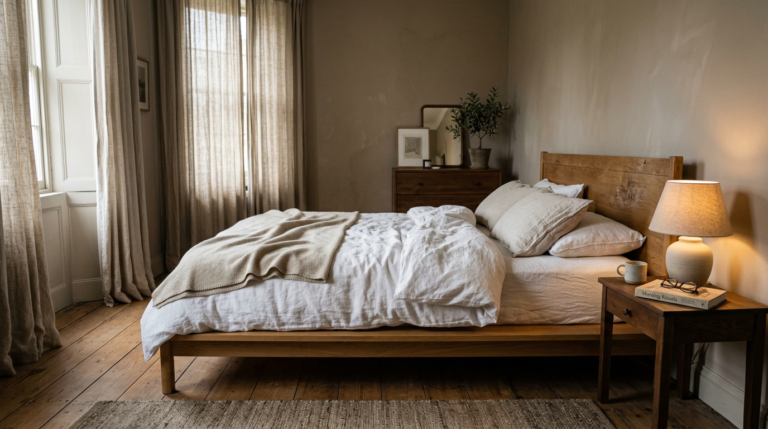
Creating a lived-in interior that still feels refined is a balance between warmth and restraint — a wool throw over the sofa arm, a stack of books on the coffee table, a few objects that have clearly been chosen rather than simply placed.
The difference between lived-in and cluttered is almost always quantity. Two objects on a surface feel personal. Eight feel like they arrived without a plan.
Frequently Asked Questions
Replacing standard hardware — door handles, cabinet pulls, tap fittings — with solid brass or quality matte black alternatives makes an immediate and lasting difference. It is one of the lowest-cost changes with the highest perceived impact.
If the room feels like it still has space to fill after the furniture is in place, the pieces are likely too small. A rug that does not sit under the front legs of the sofa, artwork that leaves too much bare wall, a dining table that feels lost — these are the most common signs that scale needs revisiting.
Two or three considered objects on any surface is a good working rule. Remove everything first, then only return what you would genuinely miss. If its absence goes unnoticed, it did not belong there to begin with.
More than almost any other single change. Switching from one overhead source to two or three warm lamps at different heights transforms the atmosphere within minutes. The furniture stays the same — but the room feels entirely different in mood, warmth and perceived quality.