4 Interior Design Principles That Make Any Home Feel More Beautiful and Balanced
Create a Balance That Feels Effortless
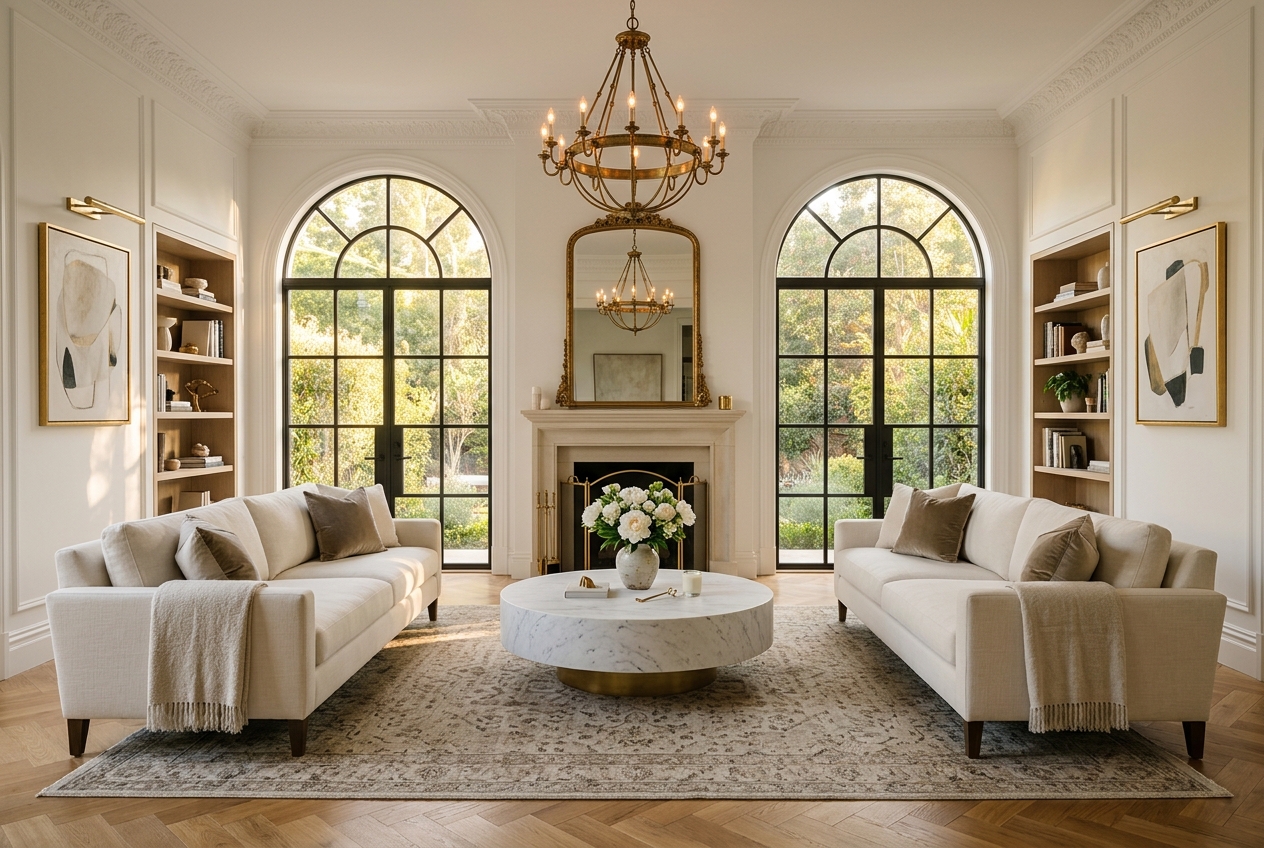
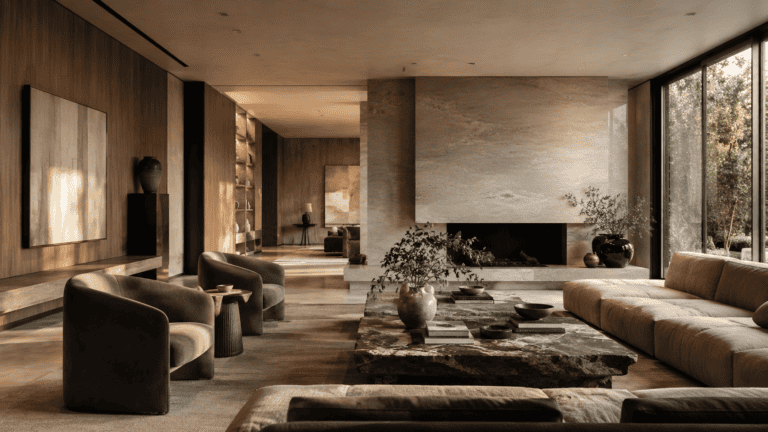
Balance in a room is felt before it is noticed. When a space feels settled and calm, it is almost always because the visual weight on either side of a room has been considered — not matched perfectly, but distributed with intention.
Symmetry is the most familiar form of balance, and it works because it creates an immediate sense of order that makes any interior feel more composed and considered. Two lamps flanking a sofa, a pair of chairs facing each other — these arrangements communicate that someone has thought carefully about the room.
Asymmetrical balance is subtler and often more interesting. A large artwork on one side can be balanced by a cluster of smaller objects on the other — different in form, equal in visual weight. That tension, when resolved well, gives a room its quiet sophistication.
Key Points
Make Every Room Feel Like It Belongs Together
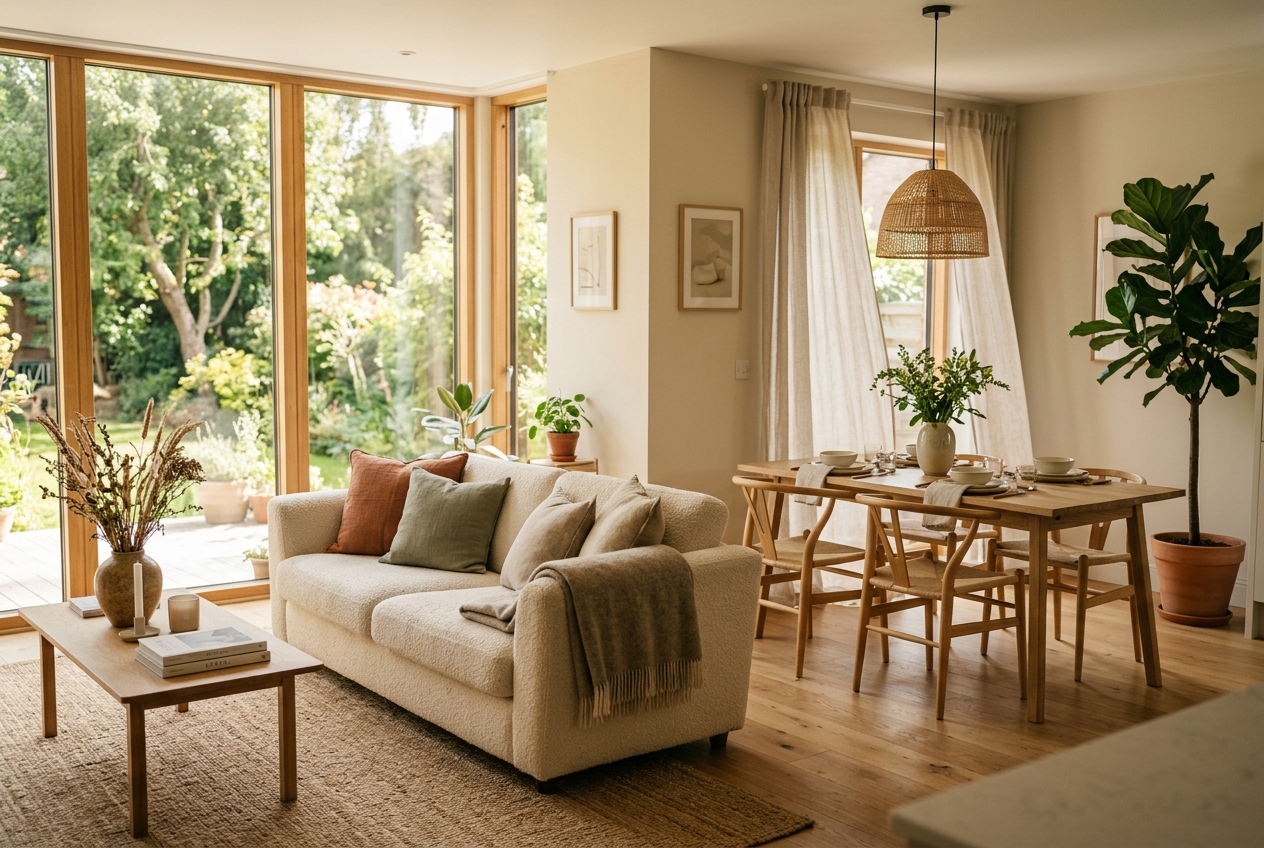
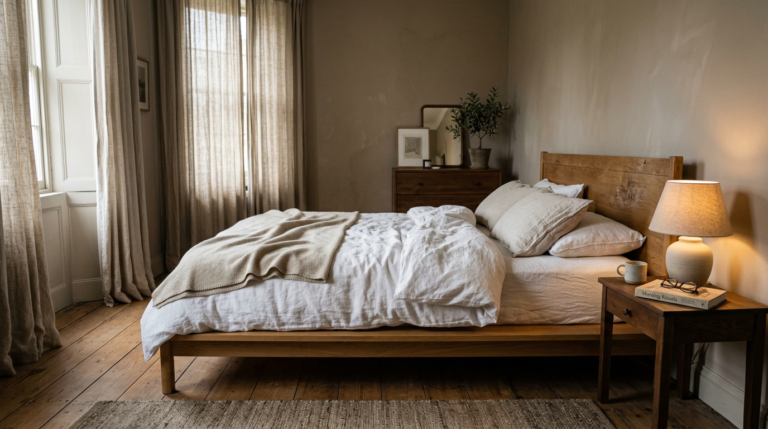
A home that feels harmonious is one where each room is in quiet conversation with the next. The colours shift gently rather than change abruptly. Materials reappear in different forms. The same considered sensibility moves through every space.
Harmony does not mean uniformity. It means that the design decisions made in one room are echoed thoughtfully in another, creating a sense of continuity that makes the whole home feel authored rather than assembled.
A single repeated element — a wood tone, a particular shade of linen, a consistent style of handle — is often all it takes to unify an entire home. Small repetitions create large impressions.
Get the Scale Right, and Everything Feels Better
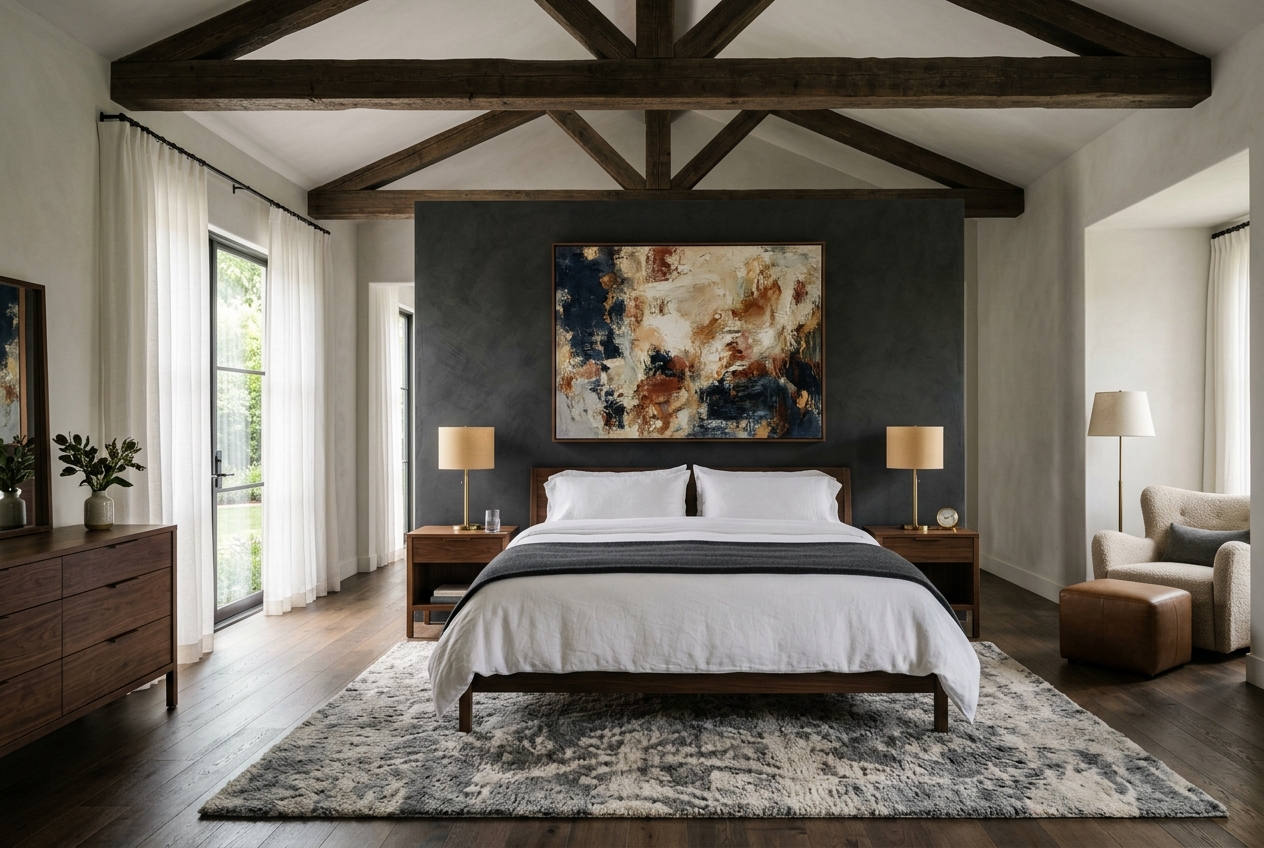
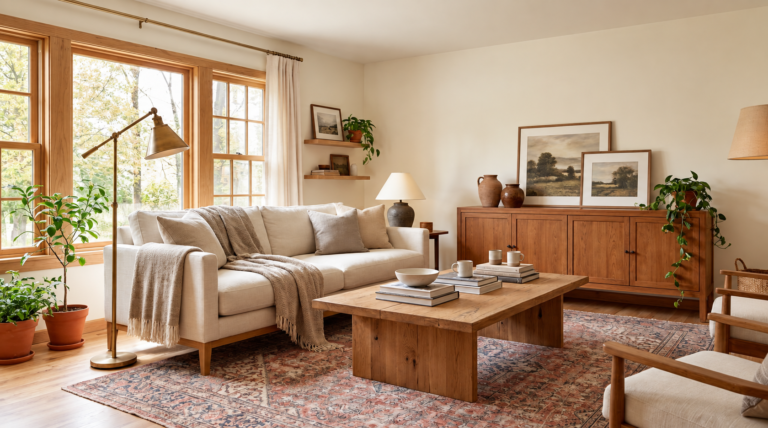
Scale is one of the most common sources of visual discomfort in a home, and one of the least understood. A sofa that is too small for a room makes the room feel emptier than it is. A pendant light hung too high loses all connection to the surface it is meant to illuminate.
Getting scale right means choosing furniture and objects that are genuinely proportional to the room they occupy — generous enough to feel grounded, restrained enough not to crowd. A large room needs large pieces to feel considered rather than sparse.
Proportion applies equally to the relationships between objects. A lamp that is roughly two-thirds the height of the surface it sits on, a rug that extends beyond the front legs of every piece of furniture — these quiet ratios are what make a room feel resolved.
Let the Eye Move Naturally Through Your Home
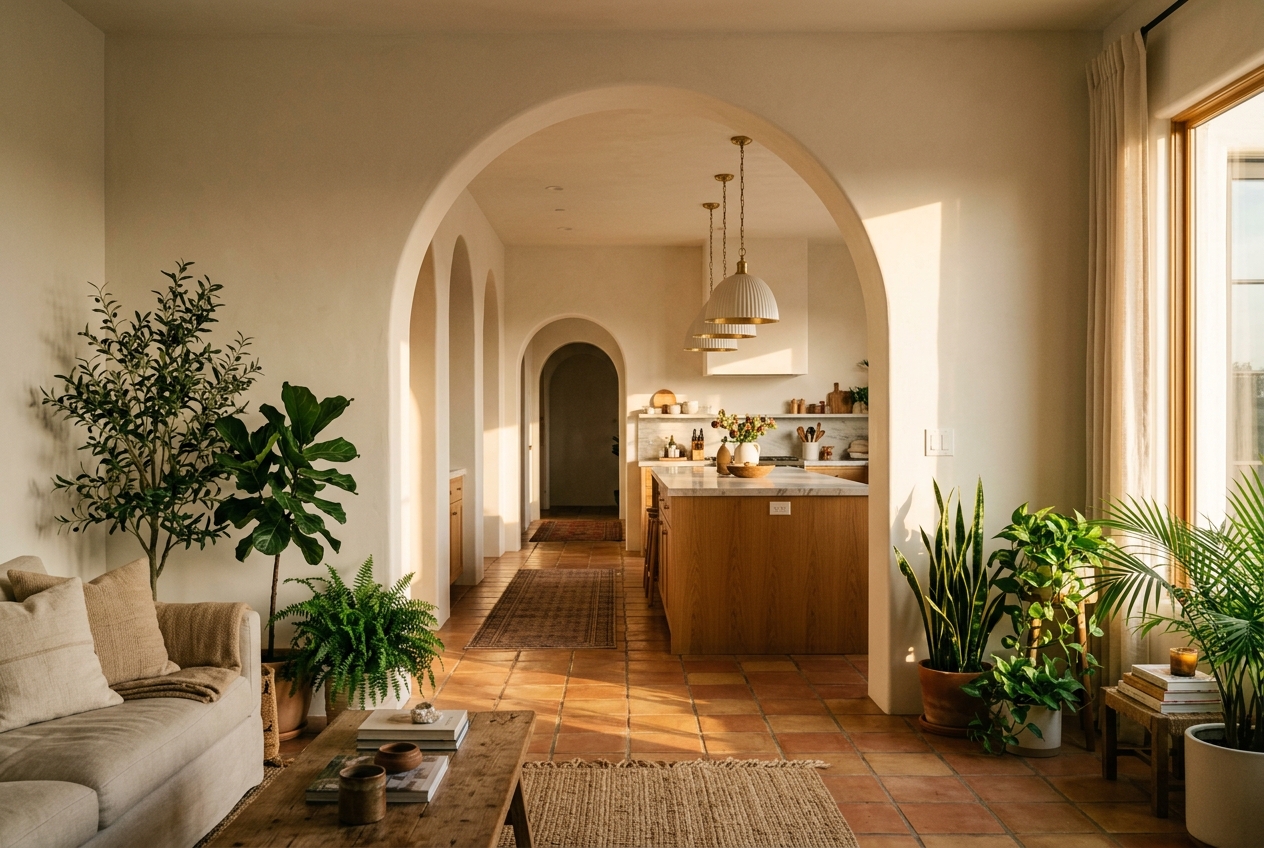
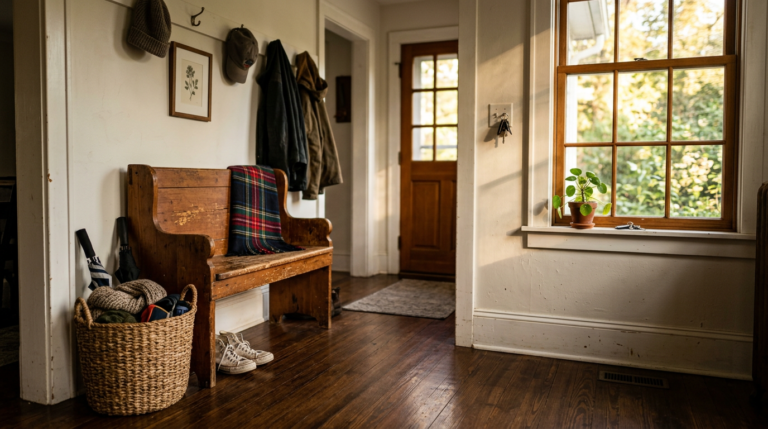
Rhythm in interior design is the principle of repetition — colour, shape, texture, or material repeated at intervals so the eye travels through a space with ease rather than stopping and starting unexpectedly.
A room with no rhythm feels static. A room with too much repetition feels mechanical. The most considered interiors find a pace — a visual cadence that guides the eye from one element to the next without ever feeling forced or choreographed.
Rhythm can be as simple as three objects of varying heights arranged on a shelf, or a colour that appears in the cushions, the lamp shade, and a single art print across the room. The repetition need not be obvious — it simply needs to be felt.
Frequently Asked Questions
Balance is the most accessible starting point. Simply stepping back and assessing whether one side of a room feels visually heavier than the other — and making small adjustments — can transform how a space reads. Moving a lamp, adding a stack of books, or repositioning a plant is often all it takes.
Introduce a single repeated element that moves through both spaces — a wood tone, a textile, a particular finish on hardware. Harmony does not require matching colours; it requires a shared sensibility that makes both rooms feel authored by the same hand.
Scale and proportion are almost always the cause. Beautiful individual pieces can still create a room that feels unresolved if they are not proportional to the space or to each other. Check whether your rug is large enough, your artwork is hung at the right height, and your furniture fills the room with intention rather than hesitation.
Repeat elements with variation rather than duplication. The same colour in different forms — a cushion, a ceramic, a small painting — creates rhythm without rigidity. Varying the height, size, or texture of repeated elements keeps the pace feeling alive rather than mechanical.