The Oversized Anchor Rule: Why Every Room Needs One Piece of Furniture That Is Deliberately Too Big
Oversized furniture sounds risky, but one deliberately big piece makes a room feel calmer and more intentional. That’s the anchor rule.
Soft Architecture: The Extended Headboard Wall

I’ll be honest. I used to play it safe in bedrooms. Then I tried an upholstered headboard wall that ran from corner to corner, and the whole room changed. It felt calm, finished and a little hotel-like, even before the bedding went on.
Let the headboard run wider than the bed. Choose linen or wool in a tone close to your paint. It proves oversized furniture can work vertically without adding clutter. A DIY version with foam panels and fabric costs a few hundred dollars. Renting? A freestanding panel gives you the same look.
It also makes furniture scale simpler to judge. You pick one bold piece first, then build the rest of the room around it. Bedside lamps, rugs and bedding can stay calm and simple. The headboard has already said what the room needs to say, so nothing else has to shout.
- Make one piece deliberately big.
- Keep everything else quiet.
- Scale up before adding more.
Generous Timber: Solid Oak and the Dome Pendant
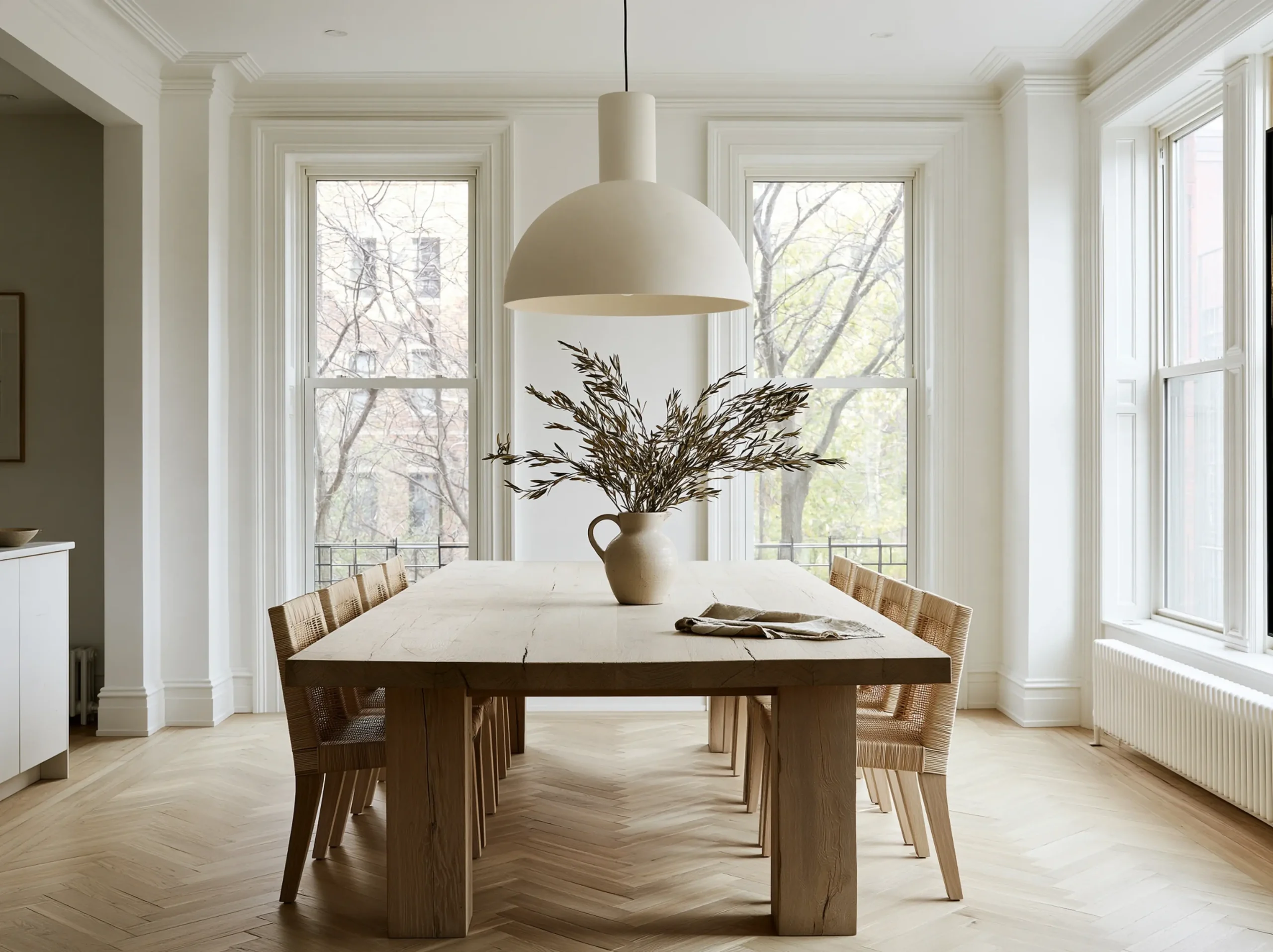
A large dining table in solid oak gives a room its center of gravity. Choosing oversized furniture for the dining room creates a natural gathering spot. Pick one that seats more people than you usually host. I love how generous it feels, even on a quiet Tuesday night. And when friends drop by, you’re ready.
Hang a large dome pendant about 30 inches above the tabletop. Go wide, never tiny, because a small light over a big table looks lost. Leave room around the table so chairs slide out easily. Warm bulbs make the oak glow at night.
Keep the table bare most days. One bowl or a few candles is enough. Let the grain and the empty surface do the decorating. Over time, the wood gathers little marks from homework and long dinners, and that’s part of the charm.
Solid Mass: The Low-Slung Travertine Monolith

A chunky travertine coffee table is like a sculpture you can set a mug on. As statement furniture goes, its low, heavy shape grounds the room without blocking sightlines. Choose gently rounded edges if kids or pets share your space. Pair it with a soft rug so the stone doesn’t feel cold.
Keep the styling simple, with one book stack and a single bowl. Leave about 16 inches between the table and the sofa so legs have room. Travertine is porous, so seal it and wipe spills quickly. Real stone tables often start around $1,500. Stone this size can weigh 200 to 350 pounds, so book white-glove delivery.
I once fell for a stone table in a showroom and forgot to measure the stairs. Check your delivery path before you fall in love.
Vertical Drama: The Leaning Floor Mirror

An oversized floor mirror adds height and pulls daylight deeper into a room. Lean it against the wall instead of hanging it. Place it across from a window so it borrows that light. For real impact, choose one at least 6 to 7 feet tall and 36 inches wide.
Safety matters with something this tall. Use a wall anchor or a discreet strap, especially around kids and pets. I always test the wobble before I walk away. Choose a slim frame in wood or black metal so it stays quiet.
A leaning mirror also doubles as a quick outfit check, a small joy I’d never give up.
Two Mistakes to Avoid
- Going slightly big: It reads as a sizing error.
- Unsecured mirrors: Anchor tall glass to the wall.
Two Tips to Use
- Measure the path: Check doors and stairs first.
- Give it space: Leave breathing room around it.
One Fact to Know
- Light boost: A mirror opposite a window brightens a dim room.
The Intentional Nook: Overfilling the Window Corner
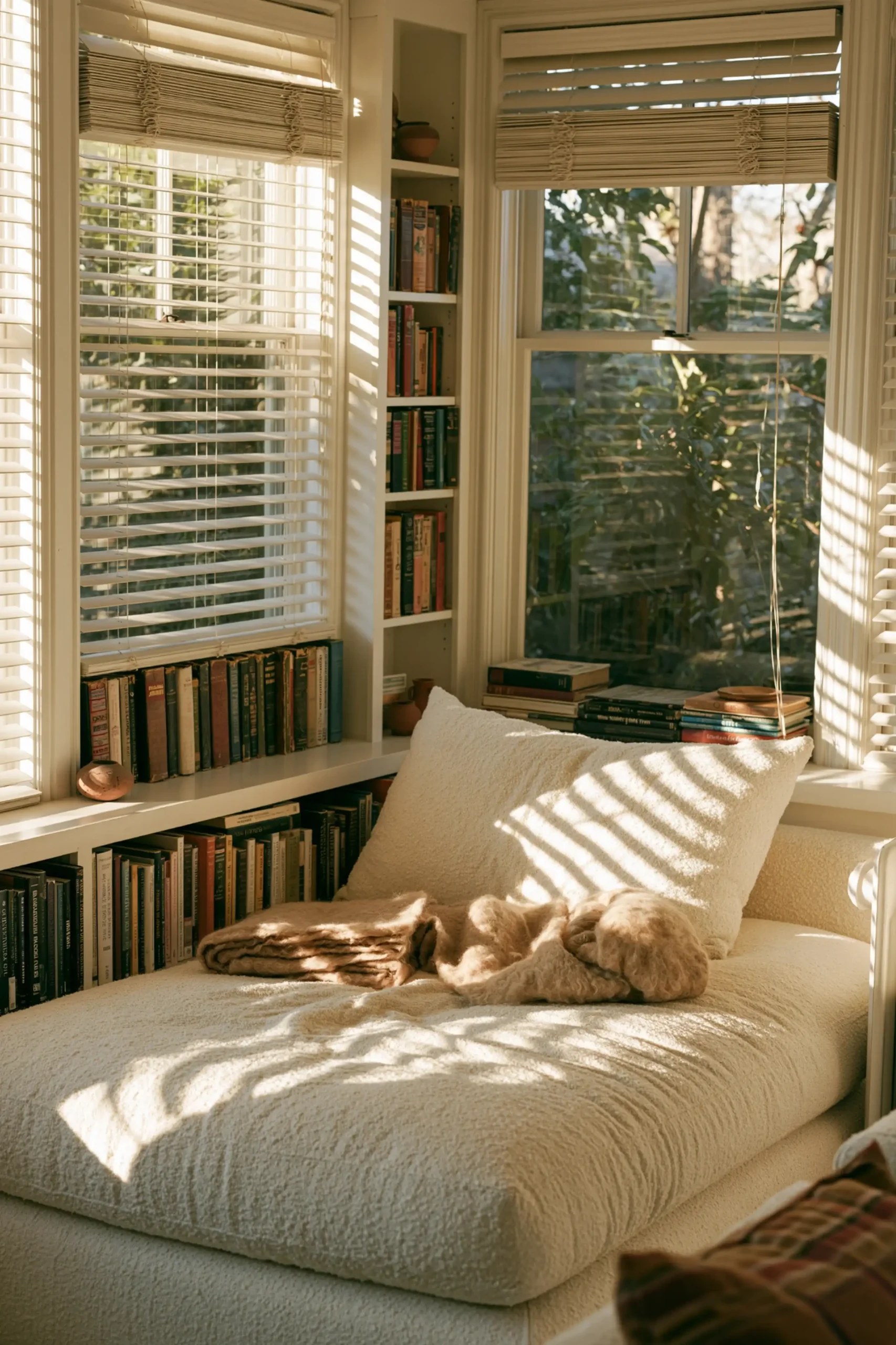
A deep bouclé chaise by the window is my favorite use of the rule. Fill the corner fully, without a shy gap. When the piece claims the space, the nook feels planned, not accidental.
Add a slim floor lamp and a small side table for tea. Place the lamp behind the chaise so light falls over your shoulder. I’d skip heavy curtains and let daylight do the work. Bouclé can snag, so choose a tight weave if you have cats or dogs. A soft wool throw and one pillow finish the look.
This is where I’d read on a rainy Sunday, with window light, a warm cup and a good book. Nothing else in the room needs to compete.
The Grounding Sofa: Low-Slung and Unapologetically Deep
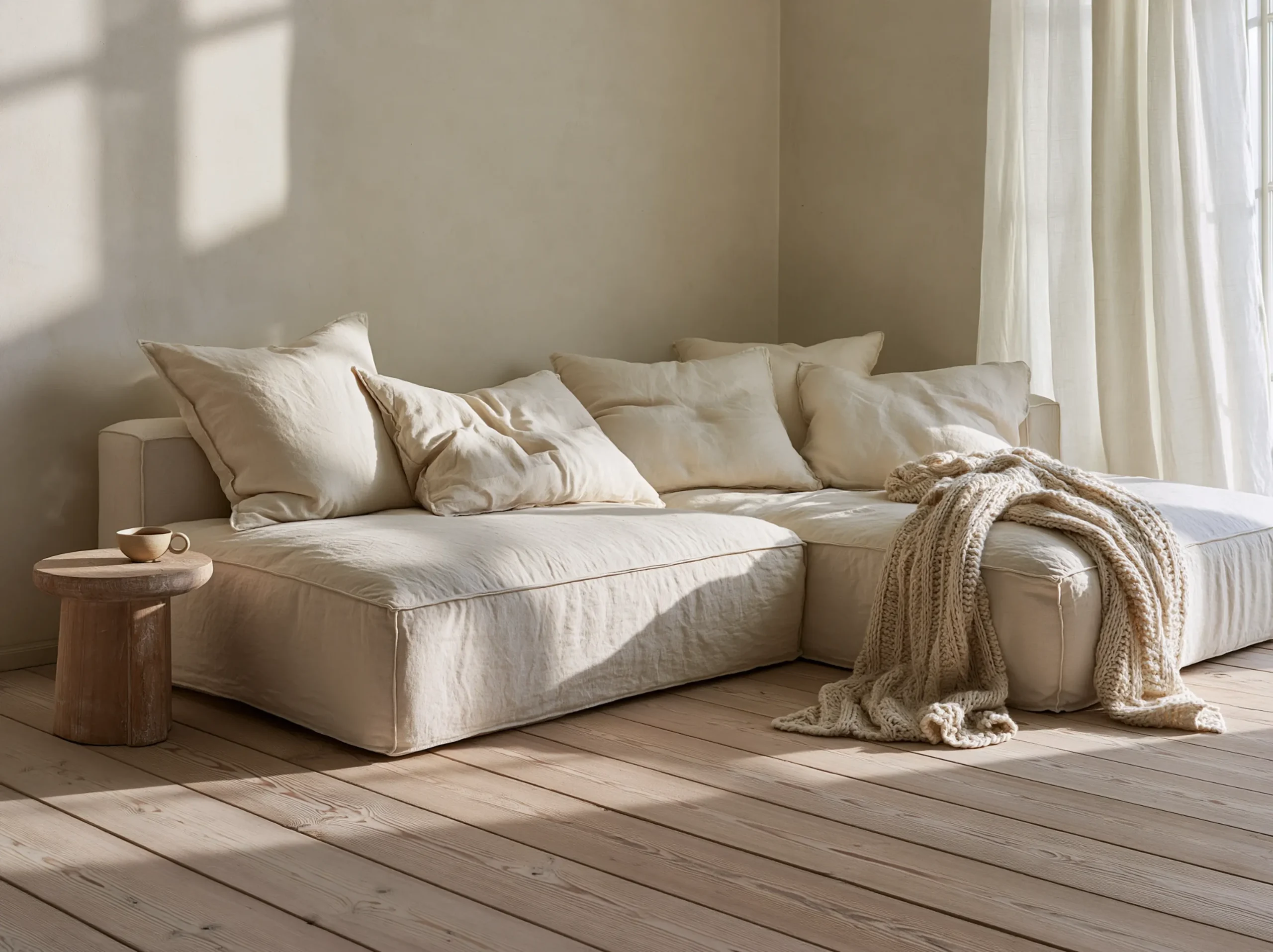
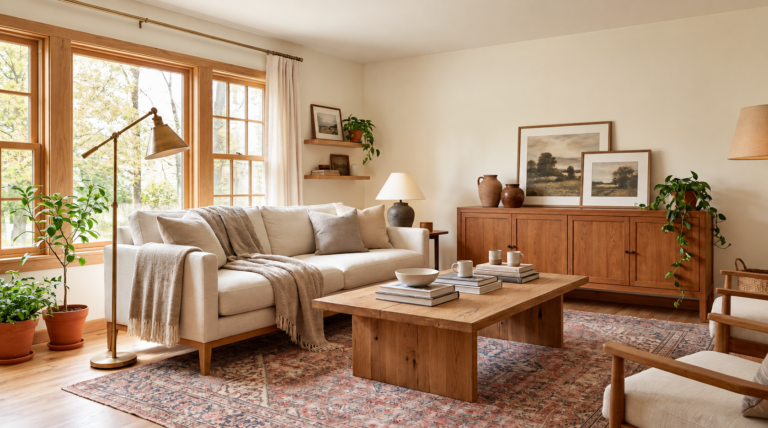
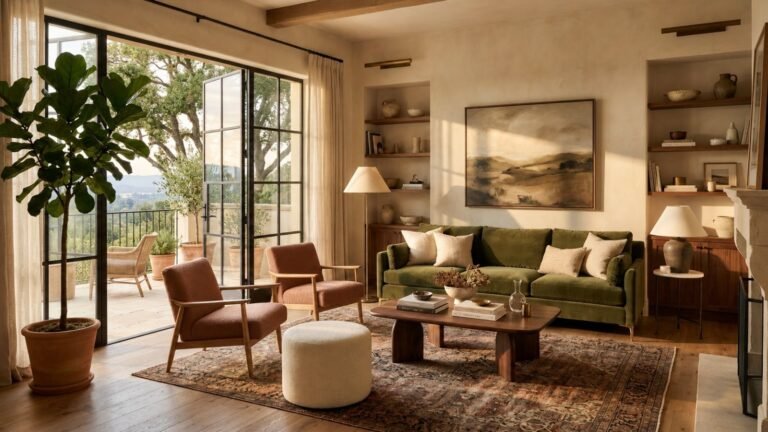
An oversized sofa is the clearest way to anchor living room design. Aim for a seat depth around 40 inches so you can really sink in. Modular pieces are easiest, because you can rearrange them as life changes. Add two or three big cushions, and you’ll never want to leave.
Choose washable slipcovers if you have kids or a dog. Keep the rest of the room light and edited. Let the sofa be the star. Low arms and a low back keep the sofa from blocking the view. And remember the rule: choose one piece of oversized furniture per room, not five.
Whenever I feel unsure, I picture the room with just that one big piece. If it makes me smile, I know it’s right. That small test has saved me from many bad purchases.
Oversized Furniture — Common Questions
Will oversized furniture make my room look smaller?
Usually not, if you stick to one big piece. A single large item feels calmer than lots of small ones. Keep walkways clear and everything else light.
How do I choose which piece to make oversized?
Pick the piece that already anchors the room. That’s the sofa in a living room, the table in a dining room and the headboard in a bedroom. Keep everything else modest.
Can I use oversized furniture in a small room?
Yes, with one carefully chosen piece. A deep sofa or tall mirror can make a small room feel purposeful. Measure your doorways and leave about 30 inches for walking paths.