The Monolithic Stone Sink: Seamless Carved Marble and Quartzite Apron-Front Sinks
A monolithic stone sink turns the busiest corner of your kitchen into a quiet sculpture. Carved from one block of marble or quartzite, it ages beautifully.
Warm Patina: Marble and Brass Faucets
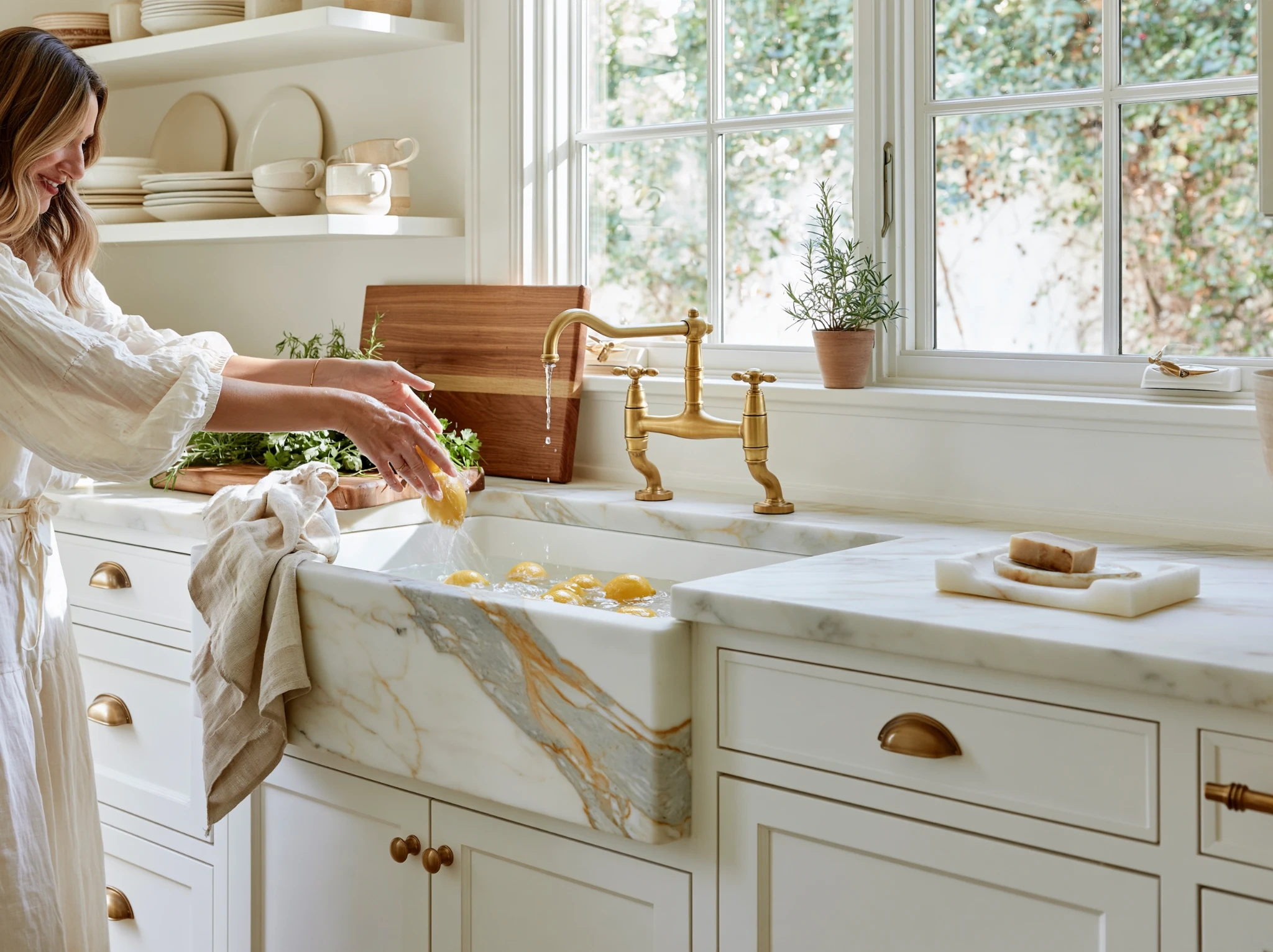
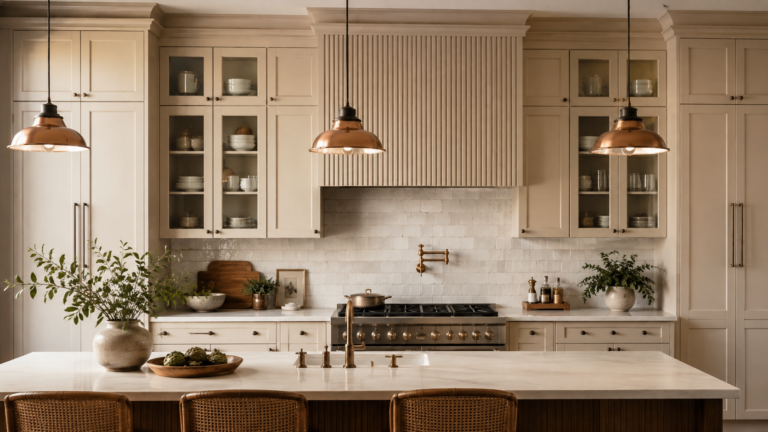
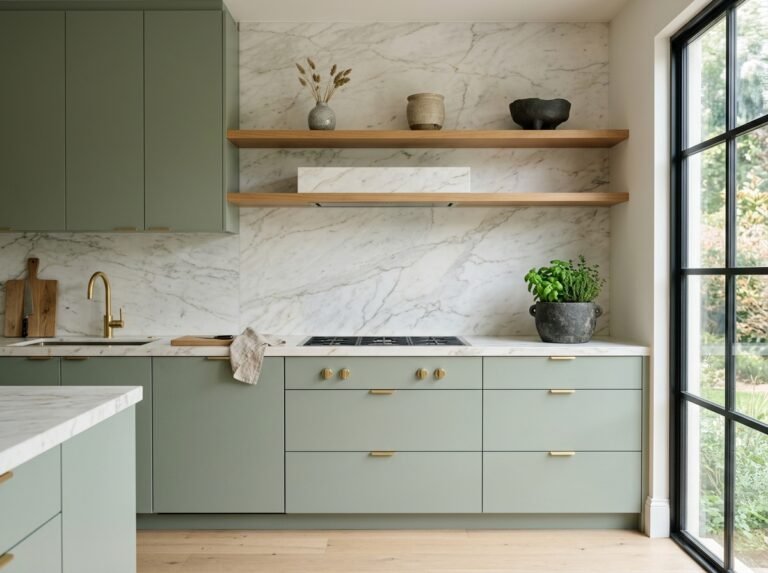
Calacatta marble and unlacquered brass make an old pairing that still looks fresh. The stone stays cool and pale, while the metal slowly warms and darkens with daily use. Over a few months, the brass picks up a soft glow no factory finish can fake. I love a bridge faucet here, because its exposed lines suit a deep apron front.
A monolithic stone sink works best when the rest of the kitchen stays quiet. Keep cabinet paint soft, hardware simple and countertops honed. Let the basin carry the veining, and let the faucet add the one warm note. Marble will etch where acid touches it, so wipe up lemon juice and wine quickly and treat those marks as part of the story.
- Pair pale marble with warm brass.
- Choose a bridge faucet.
- Honed finishes hide etching.
- Reinforce the base cabinet.
Carved Depth: Living With Honed Basins
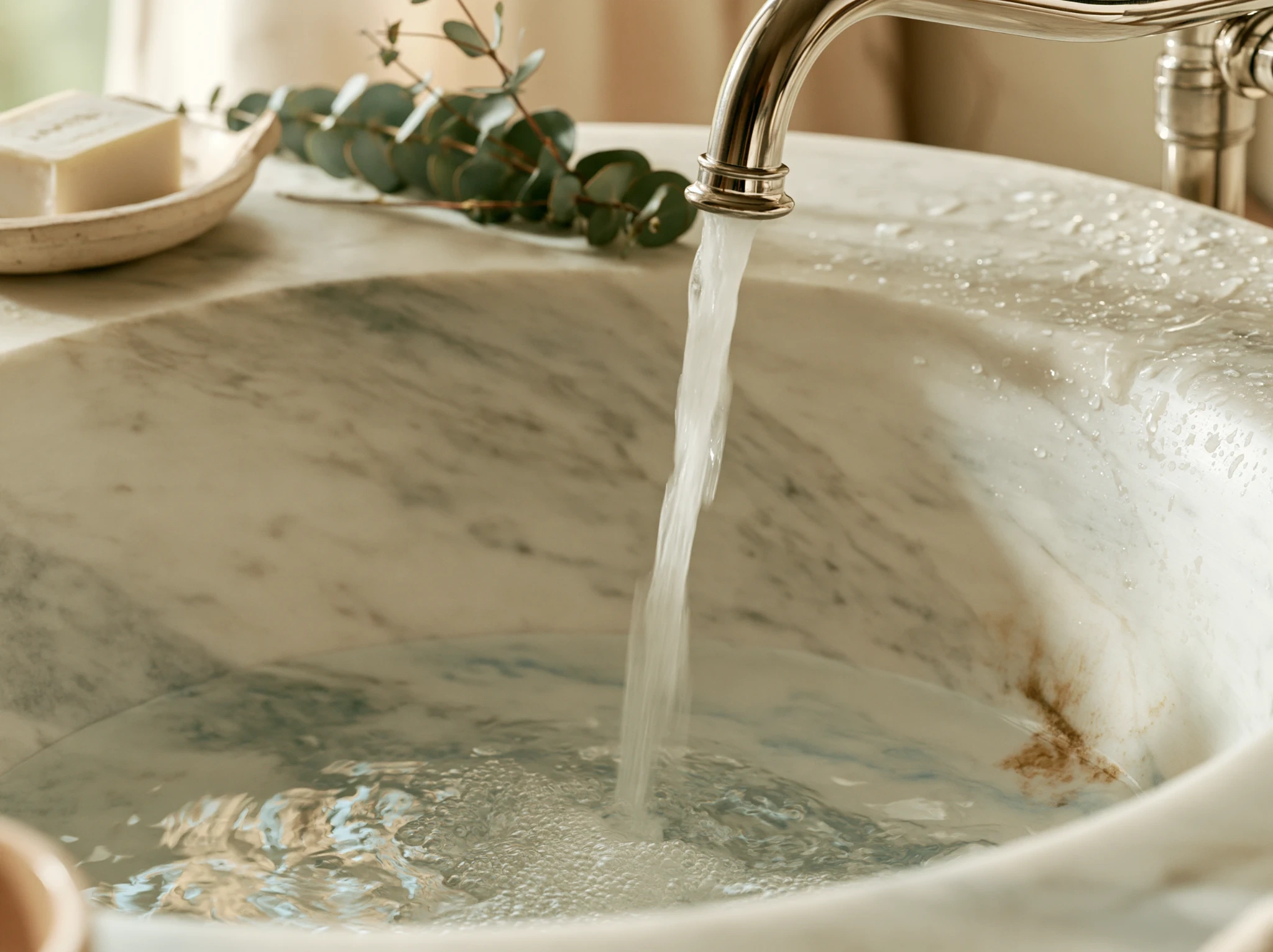
A honed basin feels like river stone under your hands. It has a soft, matte surface that hides small scratches far better than polished marble does. Deep carved marble sinks also swallow splashes and fit big roasting pans. A deeper bowl, around 9 to 10 inches, also keeps dishes out of sight when guests arrive.
Daily care is simple. Rinse after use, wash with a pH-neutral stone soap and dry the basin with a soft towel. Skip vinegar, bleach and abrasive powders. Seal the stone once a year, and expect a custom piece to cost anywhere from $3,000 to well over $8,000, depending on size and stone. Light wear will soften the surface into a quiet patina, which is exactly the point.
Raw Texture: Chiseled Vein-Cut Stone
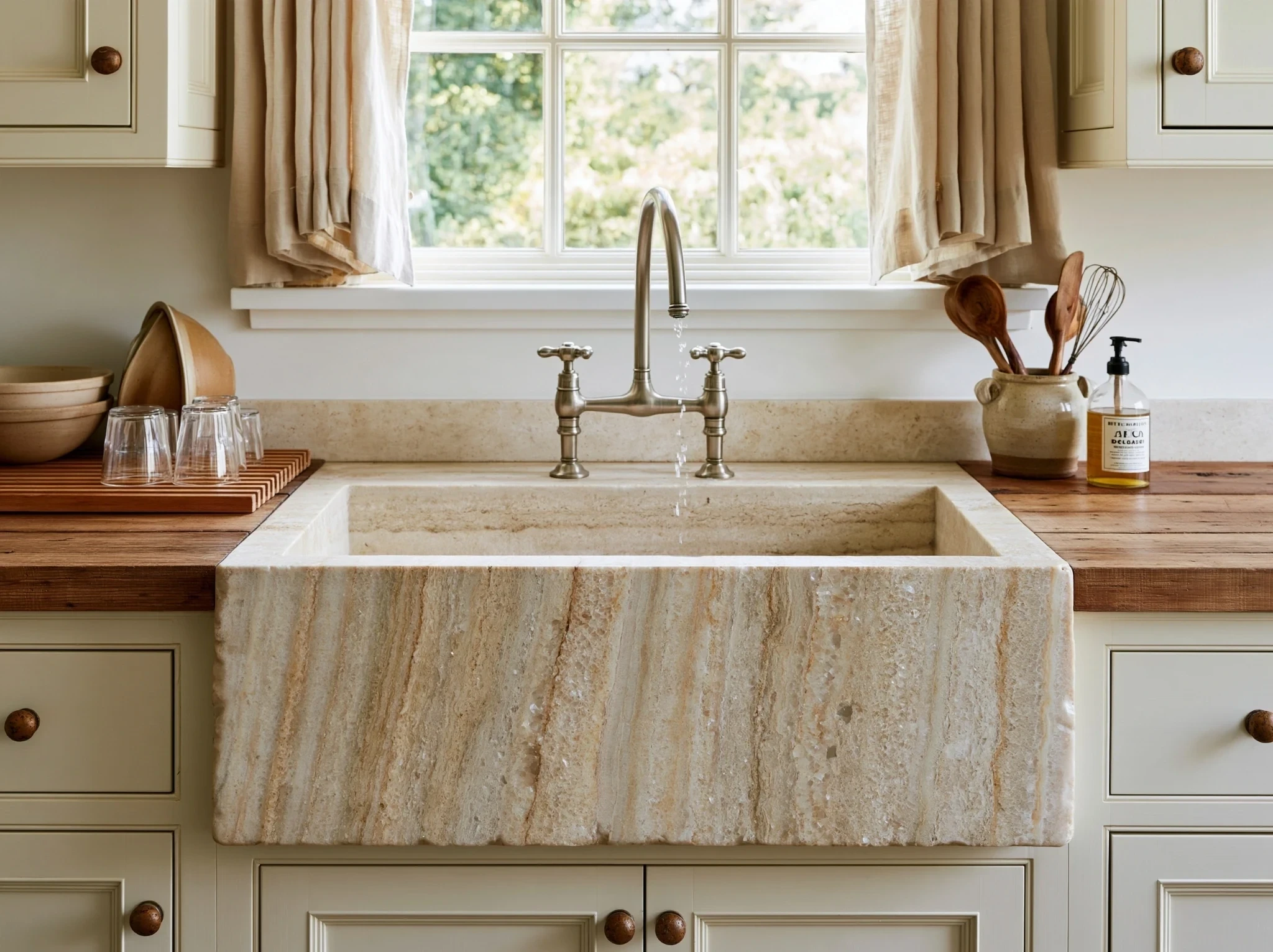
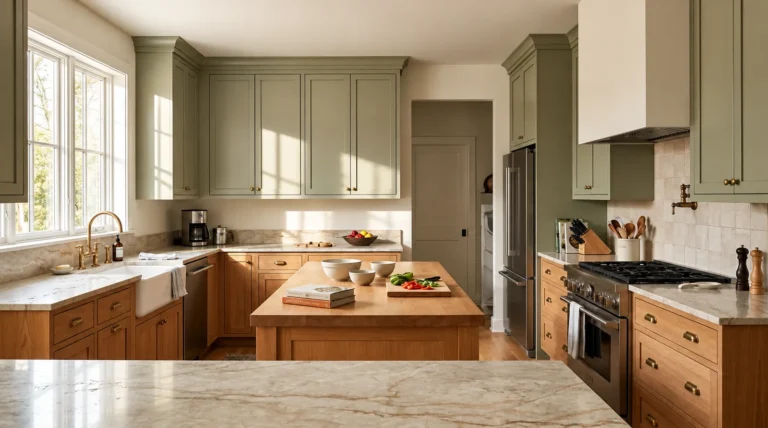
Not every stone sink needs a mirror-smooth finish. Vein-cut stone is sliced along the natural bands in the block, then chiseled by hand, so the surface keeps its ridges and tonal shifts. It brings a rugged, old-world mood to a kitchen without feeling rustic. Under morning light, those ridges throw soft shadows that flat surfaces never could.
A quartzite apron-front sink is a smart choice here. It’s harder than marble and resists etching, which makes it friendlier for busy households. Ask your fabricator to confirm the stone is true quartzite, since some softer stones are sold under that name. A quick lemon juice test on a sample tells you a lot. Hold that sample against your cabinet color in daylight and again at night. Textured surfaces trap crumbs, so a soft brush helps.
Monolithic Marble in Bright Kitchens
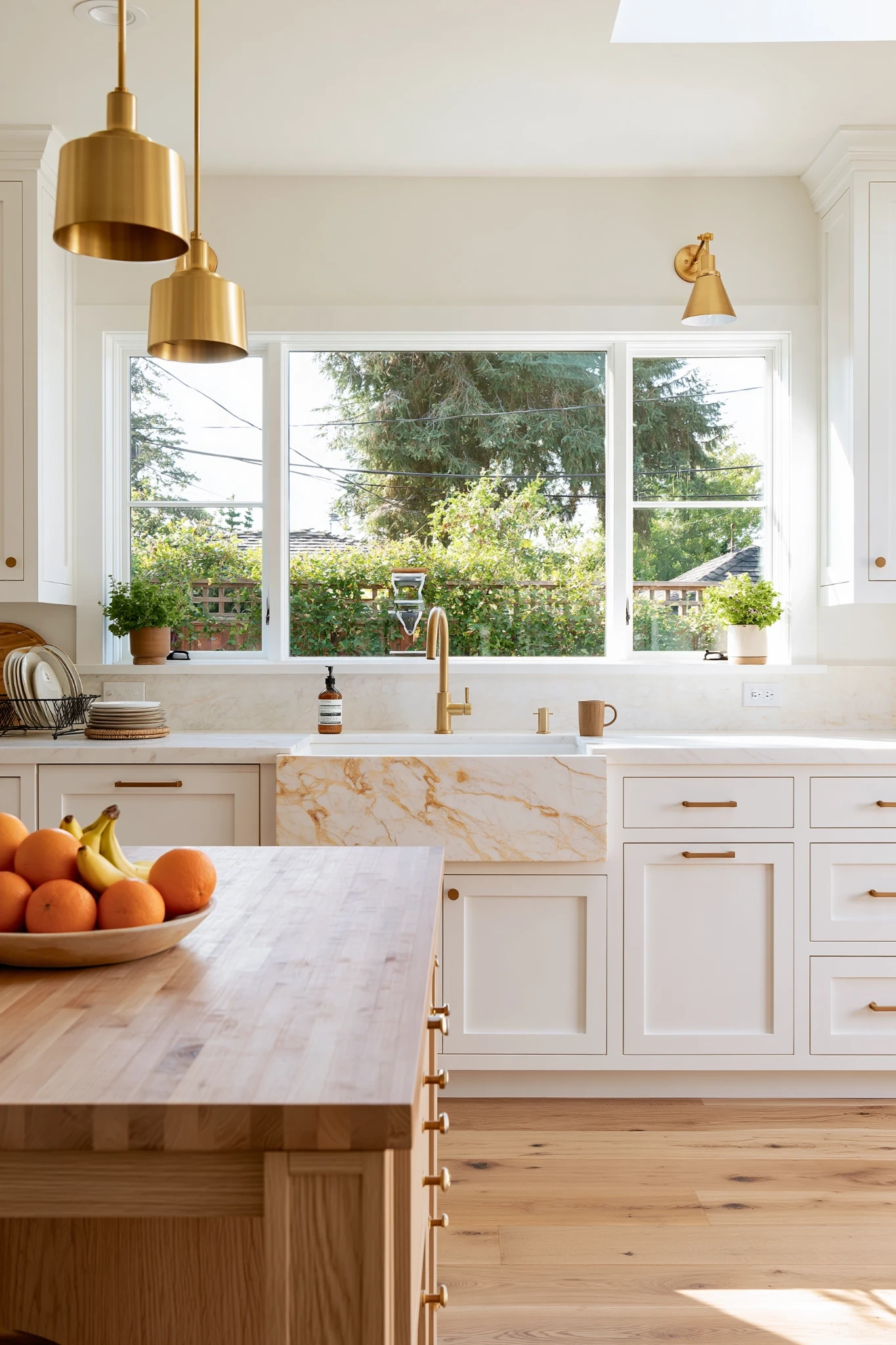
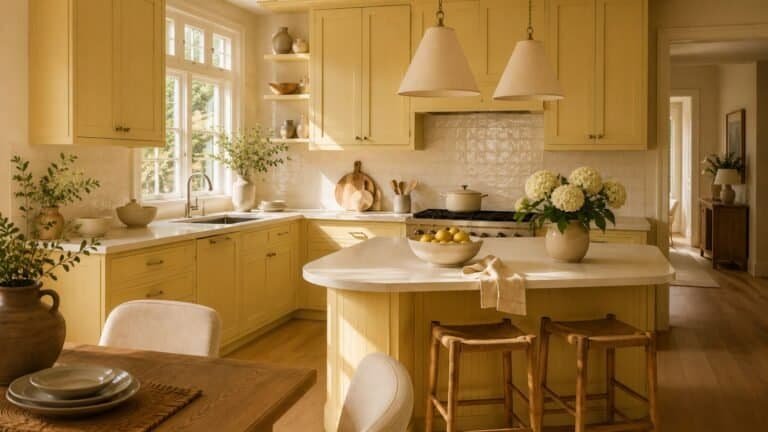
White kitchens can feel flat. A single carved marble basin fixes that by adding depth, shadow and a little drama. Set it against white cabinets and plain walls, and the sink becomes the focal point without a single extra accessory. Most kitchens suit a width of 30 to 36 inches. Add warmth with a linen towel or a wooden board nearby, and the white never feels cold.
Weight matters more than most people expect. A large apron-front stone sink can weigh 200 to 400 pounds, so the base cabinet needs added support, and delivery needs two strong installers. Measure the cabinet opening before you order. Let the fabricator template everything on site. Plan the plumbing early too, since the drain and faucet holes are cut at the fabricator’s shop, not on site.
Three Mistakes to Avoid
- Weak support: Heavy basins crack thin bases.
- Harsh cleaners: Acids and bleach dull stone.
- Boiling water: Run cold water while draining hot pots. Sudden swings stress stone.
Mitered Craft: Seamless Stone Edges
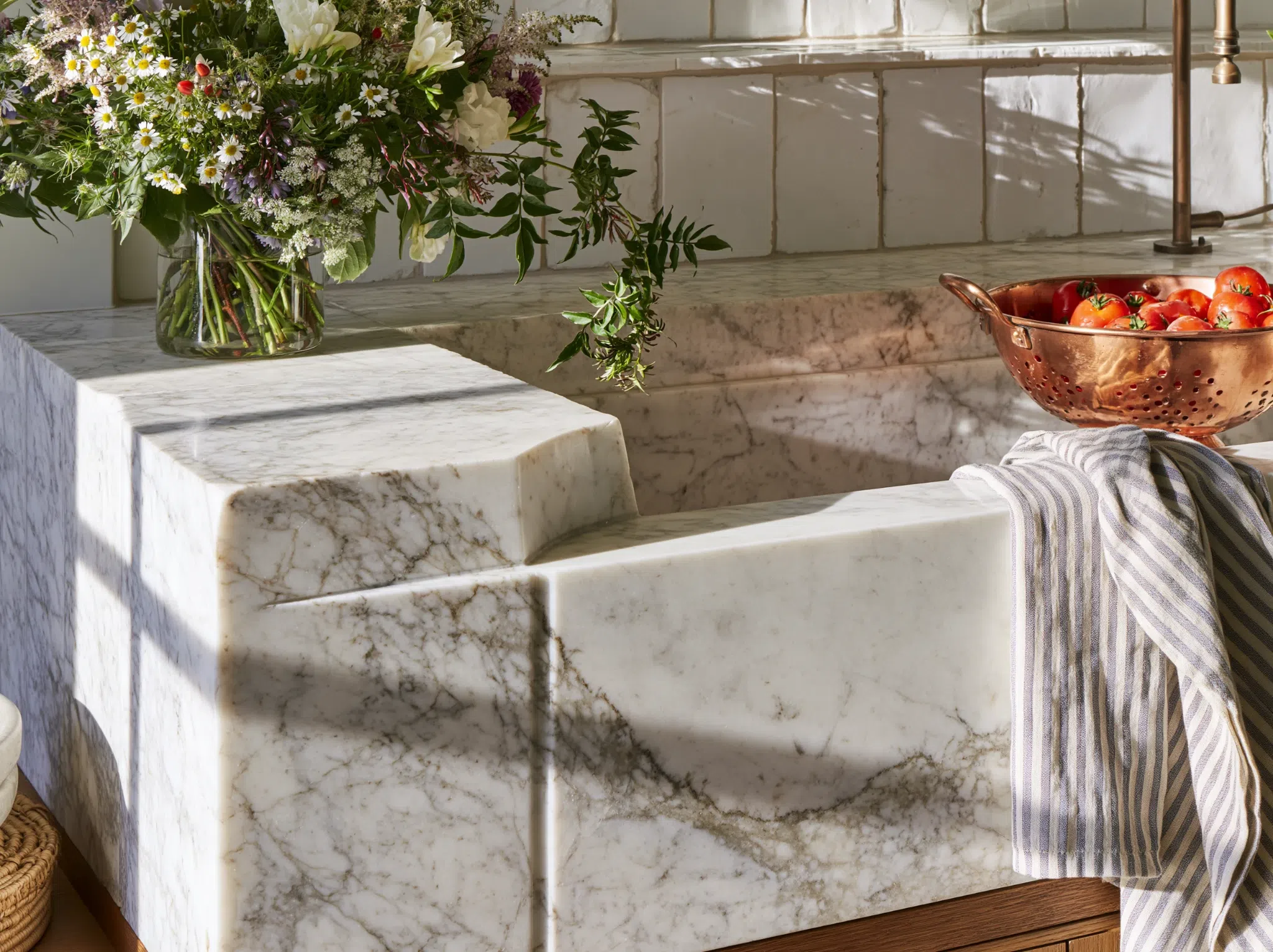
Look closely at the rim of a well-made stone sink and you won’t find a visible seam. Monolithic pieces are carved from one block, while slab-built versions use mitered corners so the veining wraps around the edge. Both can look flawless when the craft is right. It’s quiet work, and you feel it more than you see it.
Ask to see finished edges in person. Run your fingertip along the rim and the drain, where weaker work shows up first. A softly eased edge, about an eighth of an inch, is more comfortable and less likely to chip than a razor-sharp one. A copper colander resting on the rim shows how well stone and warm metal get along.
Designer Tips to Use
- Seal first: Fresh stone drinks up stains.
- Add a bottom grid: It blocks pot scrapes.
Kitchen Design — Common Questions
Is a marble sink practical for a busy kitchen?
Yes, if you accept a little character. Marble etches when acids sit on the surface, but a honed finish hides those marks well. Seal it yearly, wipe spills quickly and use a pH-neutral cleaner. Many owners say the soft patina grows on them. If you want less worry, a quartzite apron-front sink resists etching better.
How much does a monolithic stone sink cost?
Plan on roughly $3,000 to $8,000 for a custom carved marble or quartzite sink, and more for large or rare stones. Installation, plumbing and cabinet reinforcement add to that total. Get quotes from two or three stone fabricators and ask what the price includes before you commit.
What faucet works best with a deep stone sink?
A bridge faucet is the classic match, and a wall-mounted one keeps the stone edge clear. Unlacquered brass develops a warm patina, while polished nickel stays brighter. Choose a spout high and long enough to reach the basin’s center, so you can fill a stockpot without tilting it. Match the metal to your cabinet hardware.