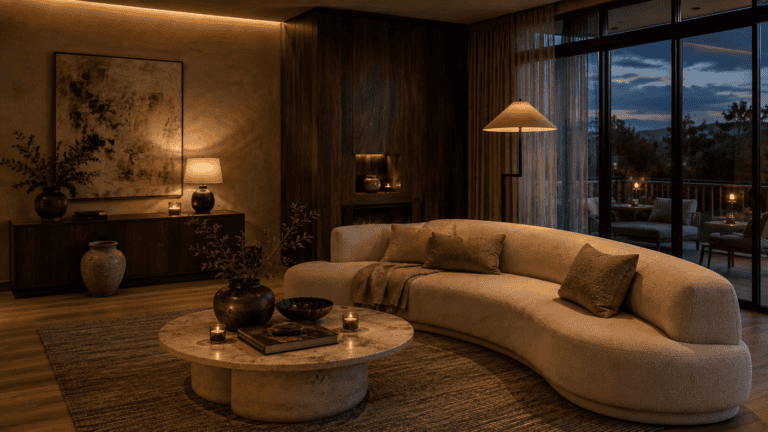
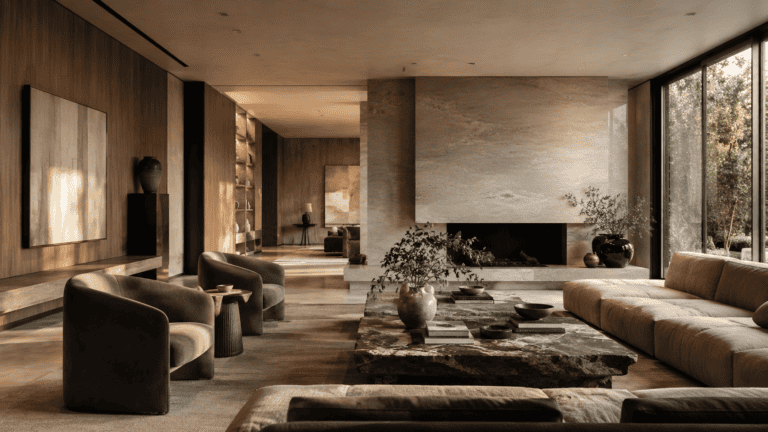
Why Some Homes Feel Expensive the Moment You Walk In
Make a Strong First Impression
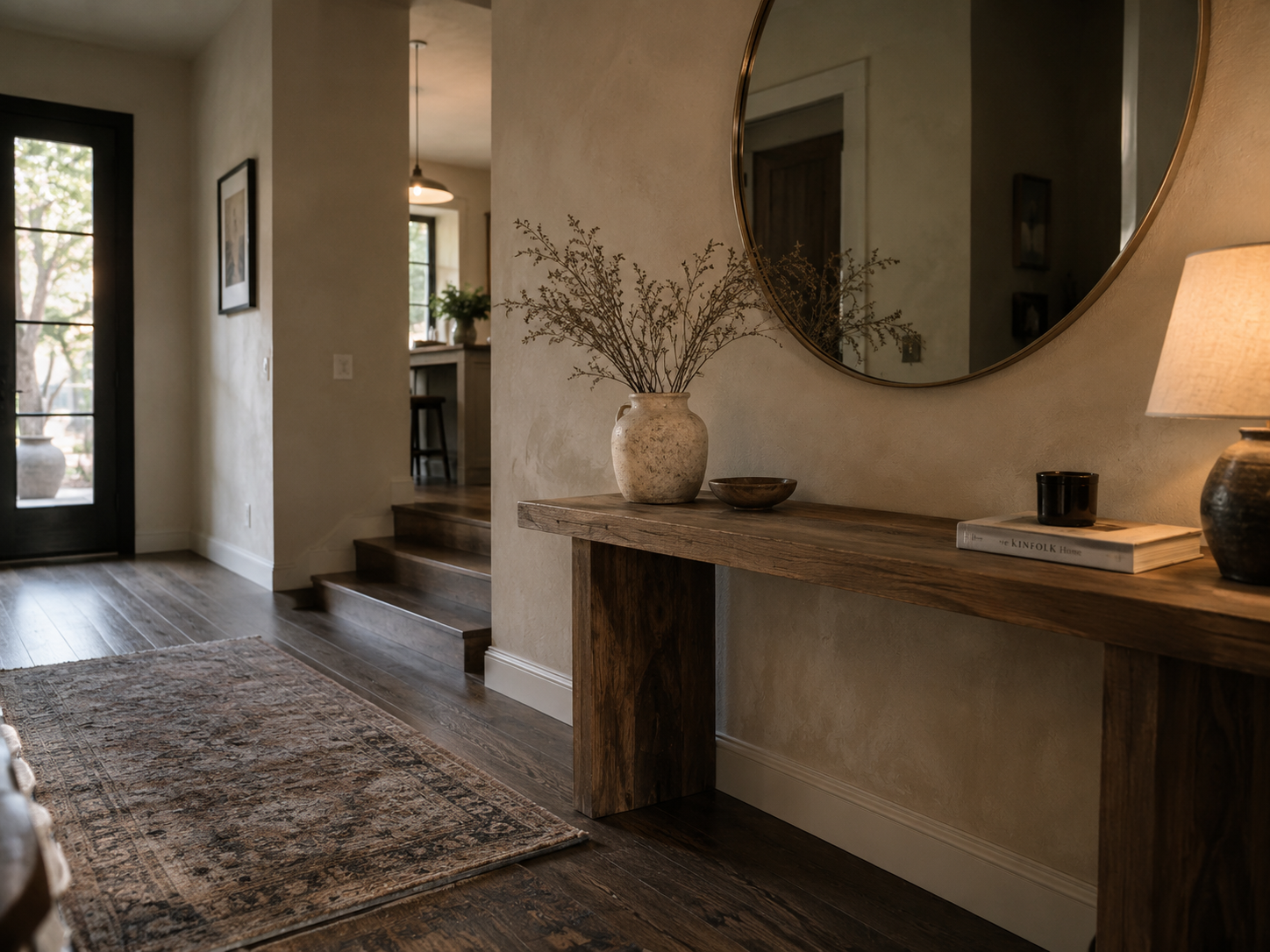 The entryway sets the tone for the whole home.
A home reveals its character within seconds — through the entry hall, the light, and the quality of the floor. Making a home feel expensive begins here, before anything else is encountered.
The entryway does not need to be large. A console in aged oak, a mirror catching natural light, one deliberate object — these are enough.
A console, a mirror and one object is enough — restraint reads as refinement.
A natural fibre rug establishes warmth when flooring cannot be changed.
Flooring communicates quality through texture alone. If it cannot be changed, a well-proportioned natural fiber rug establishes the same warmth.
Choose Furniture With Presence
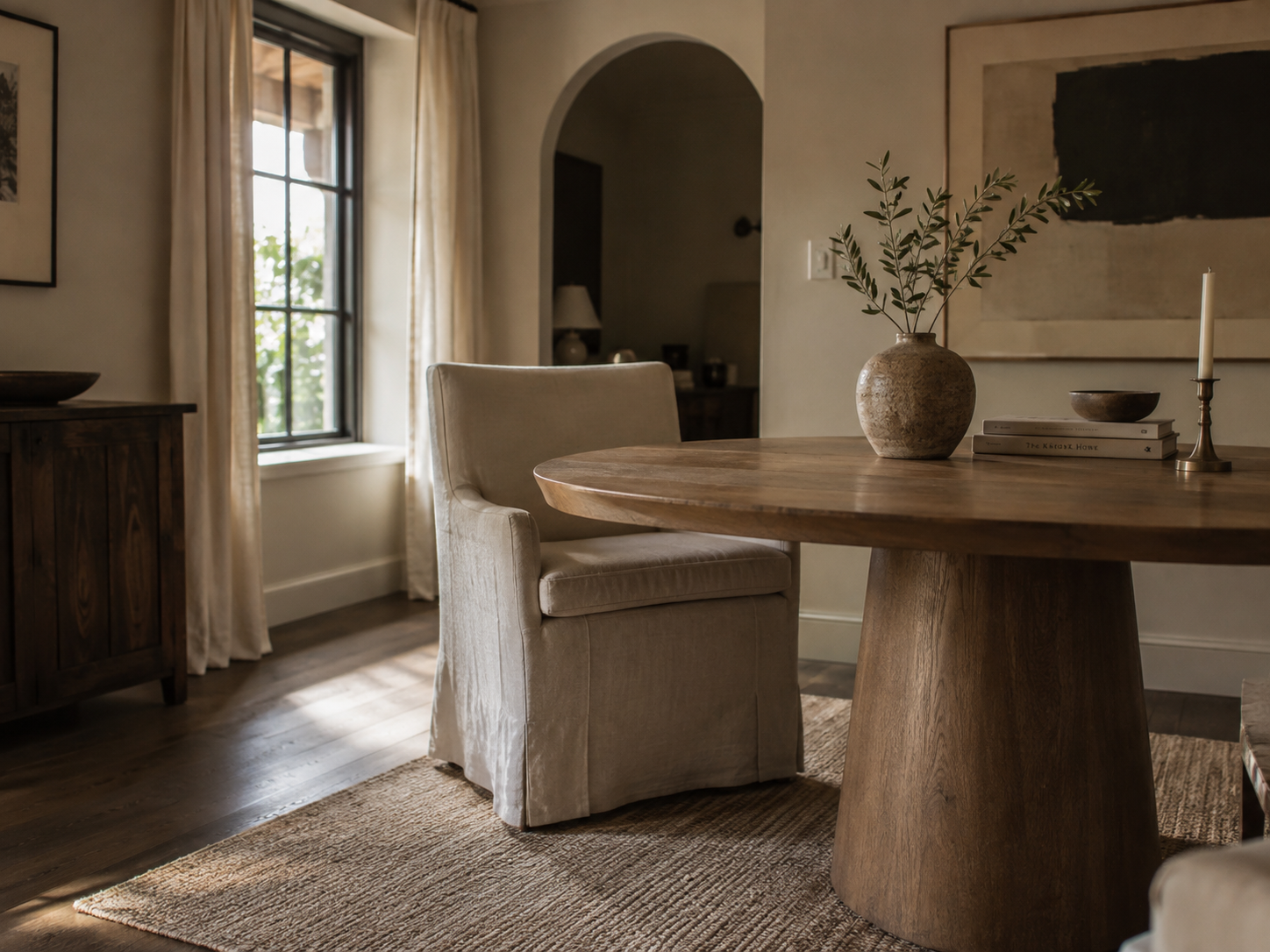 Good proportions make a room feel instantly refined.
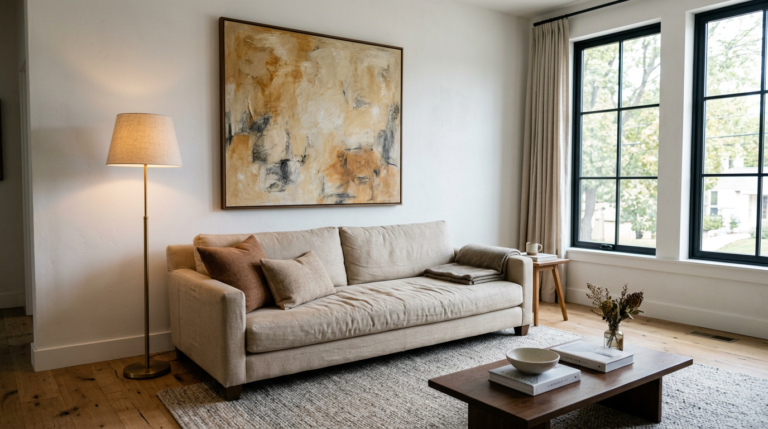
Furniture is the architecture of a room. Its scale and material quality determine whether a space feels resolved or simply filled. Choosing quality furniture means pieces that age with grace rather than deteriorate after a season.
A deep, well-proportioned piece in natural linen or aged leather anchors the room and gives everything around it something to respond to.
Layer Warm, Natural Textures
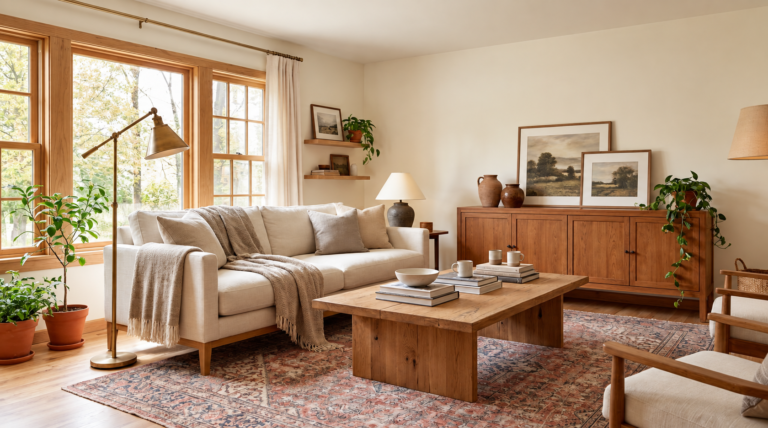
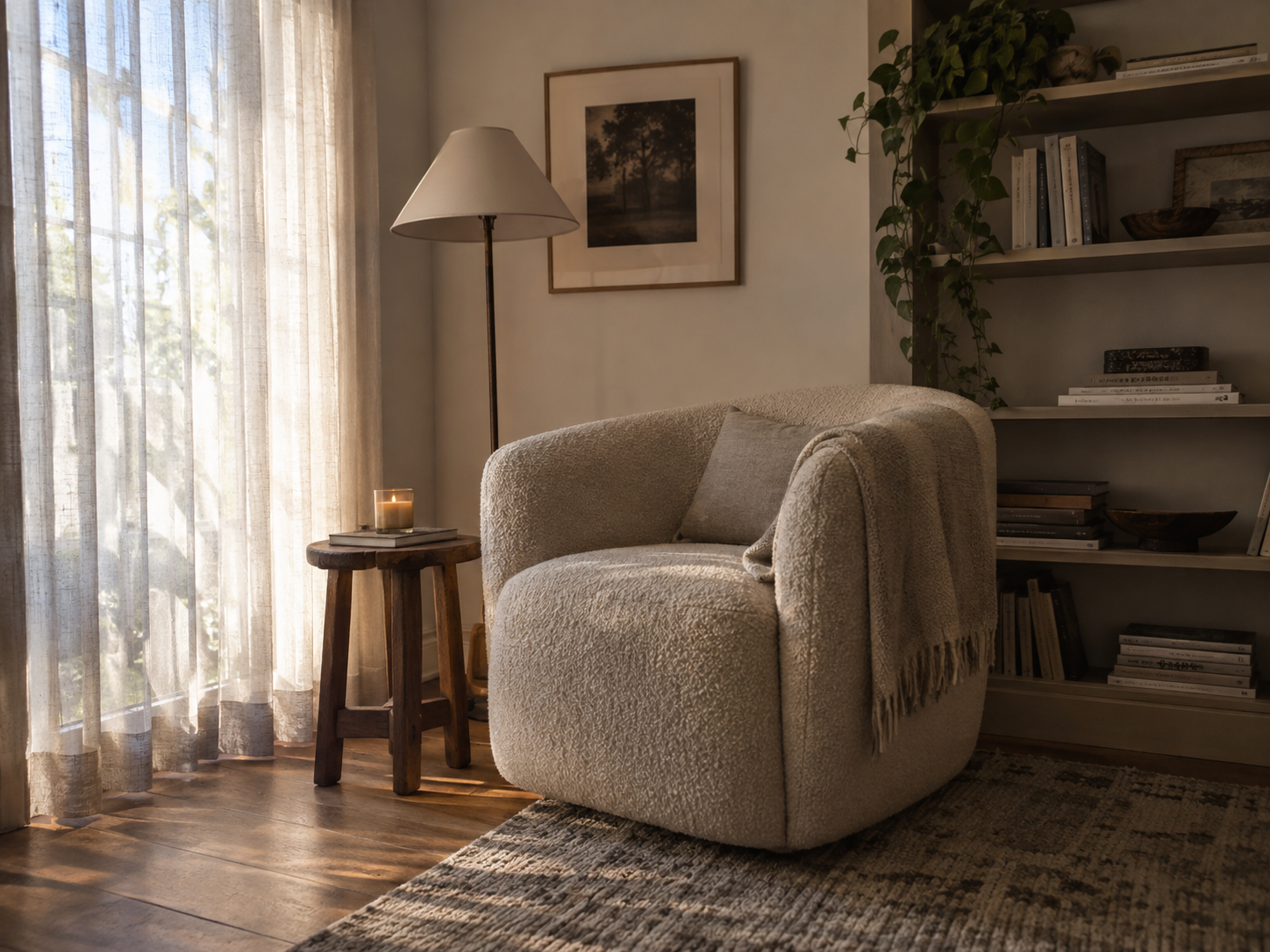 Texture gives a home depth and quiet luxury.
Smooth surfaces may look tidy but rarely feel warm. Layering natural textures creates depth and considered luxury without changing the architecture.
A linen sofa over a wool rug over a wide oak floor already creates three distinct layers. Add cushions in bouclé, a woven throw, a stone lamp base — variety within tonal consistency.
Let Architecture Lead
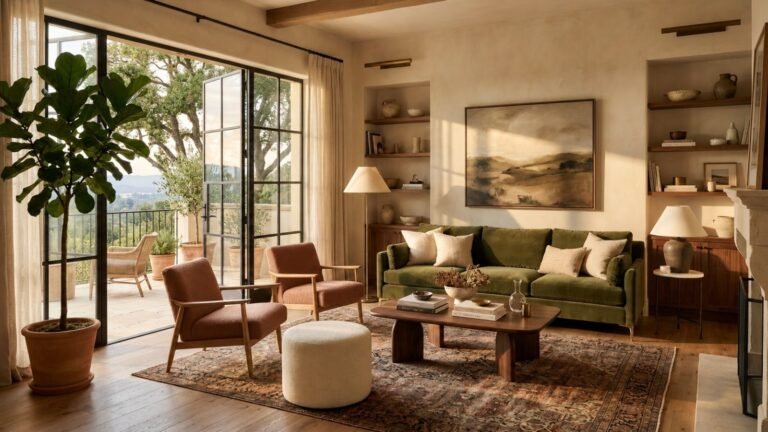
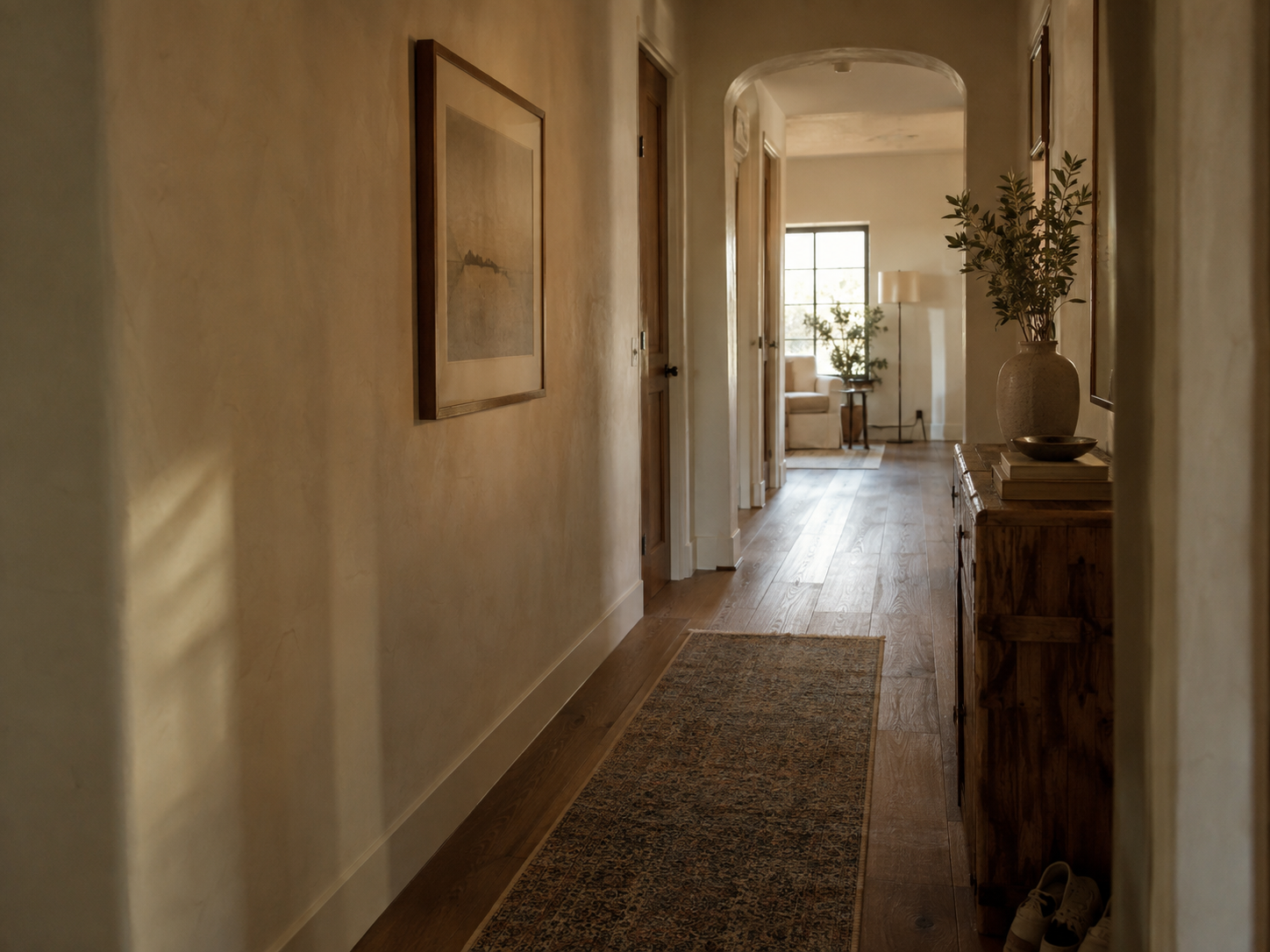 Beautiful proportions can make simple spaces feel elevated.
The finest interiors are the most architecturally considered. Architectural interior design begins with the structure itself — and the most important decision is frequently what not to add.
Where character already exists — cornicing, exposed beams, a period fireplace — the work is one of careful revelation. Where it has been lost, simple interventions restore it.
Bring Nature Into the Space
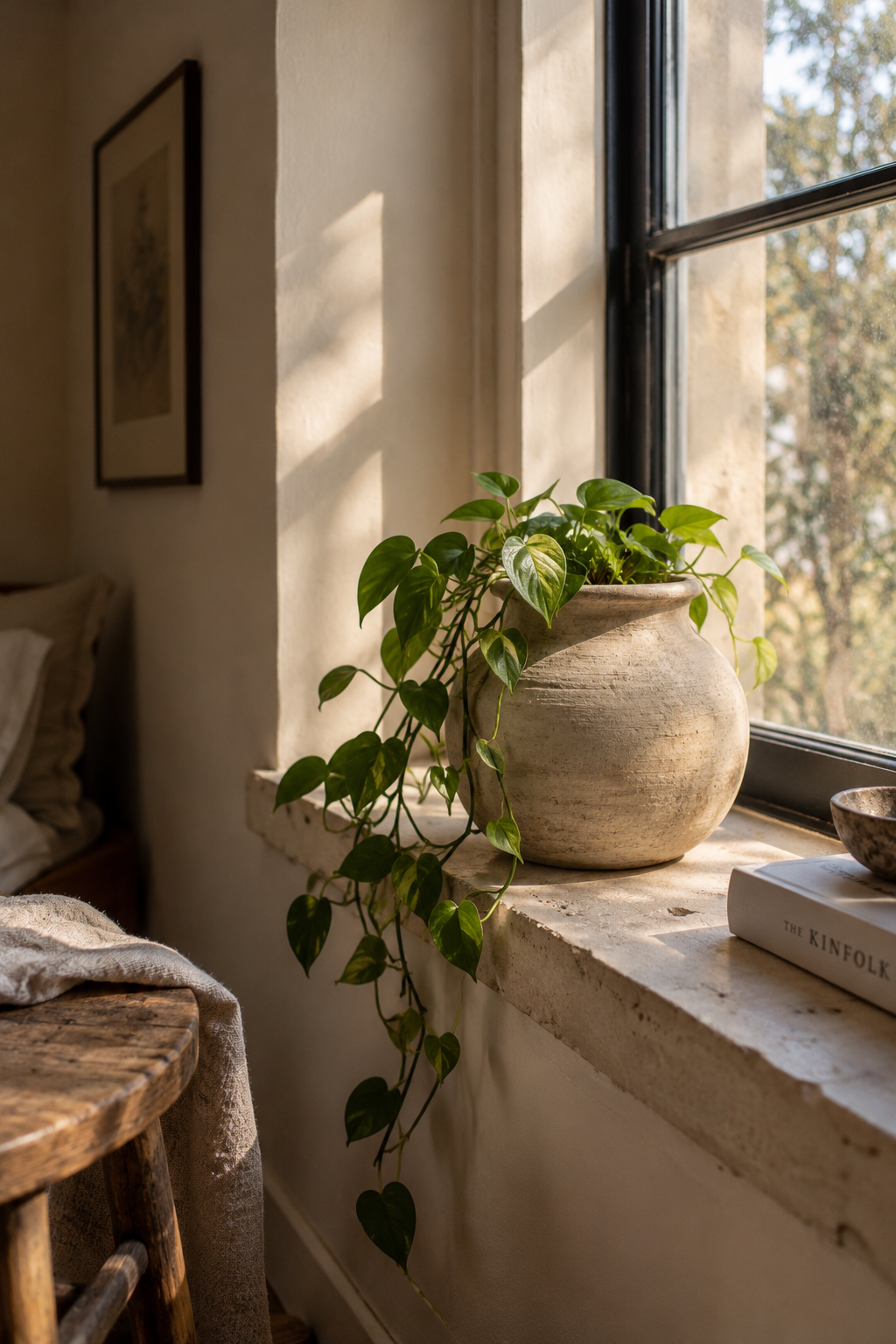 Natural light and greenery make interiors feel alive.
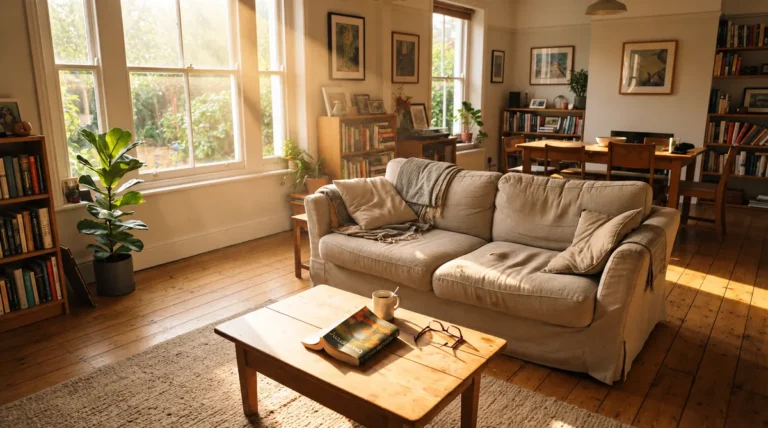
A home that connects to the natural world through generous windows and organic materials feels fundamentally different. Natural light in interior design is what makes a space feel inhabitable rather than simply decorated.
One large-leafed plant beside a window does more for a room than a dozen small ones scattered without thought.
Invest in Thoughtful Details
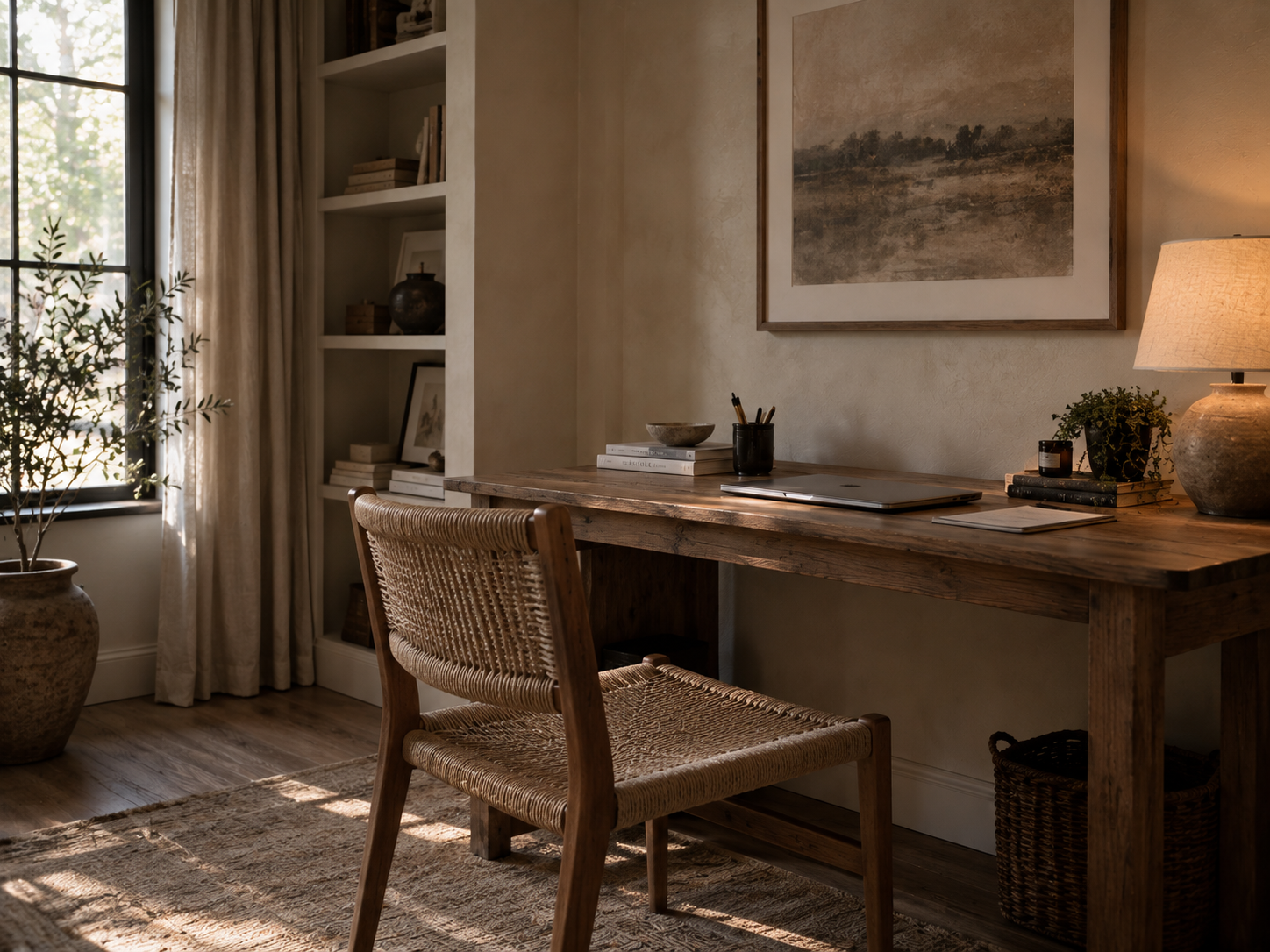 Custom-looking details make everyday spaces feel special.
Detail separates a well-designed room from a merely furnished one. Interior design details — a door handle, a light switch plate, the weight of a curtain rod — are rarely noticed consciously but always felt.
Replacing standard hardware with solid brass or brushed nickel changes the perceived quality of a space without structural work.
One well-chosen piece of original artwork does more than a gallery wall of prints. Objects with a story make a home feel genuinely extraordinary.
Frequently Asked Questions
Replace standard hardware with quality brass or brushed nickel alternatives. Add a natural-fiber rug, hang curtains from ceiling height, and remove unnecessary objects from surfaces. Restraint, consistently applied, reads as refinement.
Prioritize natural materials — solid wood, leather, linen, stone — over manufactured finishes. Scale generously and buy fewer, better pieces. Allow the room to breathe around them.
Natural light affects perceived room size, warmth, color accuracy and mood. Hanging curtains high, keeping sills clear, and using mirrors to extend light are low-cost changes that shift a room’s character significantly.
Edit relentlessly — remove anything that does not contribute meaningfully. Use a consistent warm neutral palette throughout. Invest in quality at the touchpoints used most: door handles, light fittings, sofa fabric. These communicate care more convincingly than any decorative gesture.