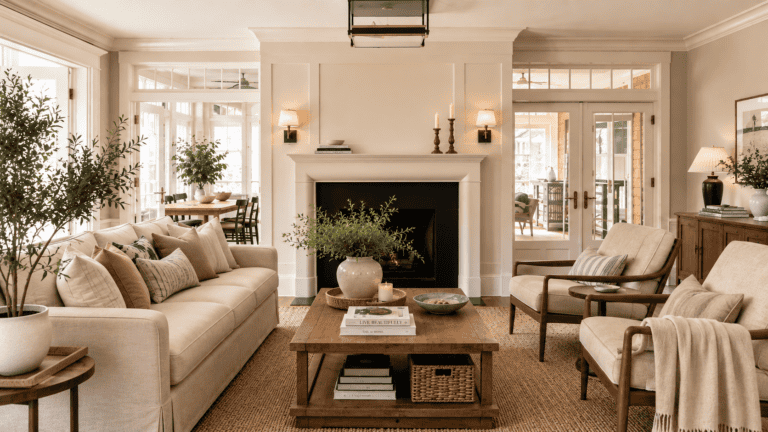
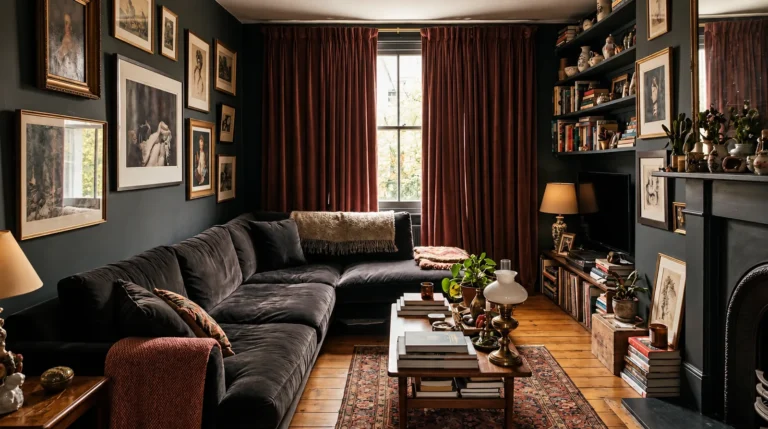
Why Your Home Doesn’t Feel Like the Ones You See Online
Why Real Homes Rarely Look Finished All the Time
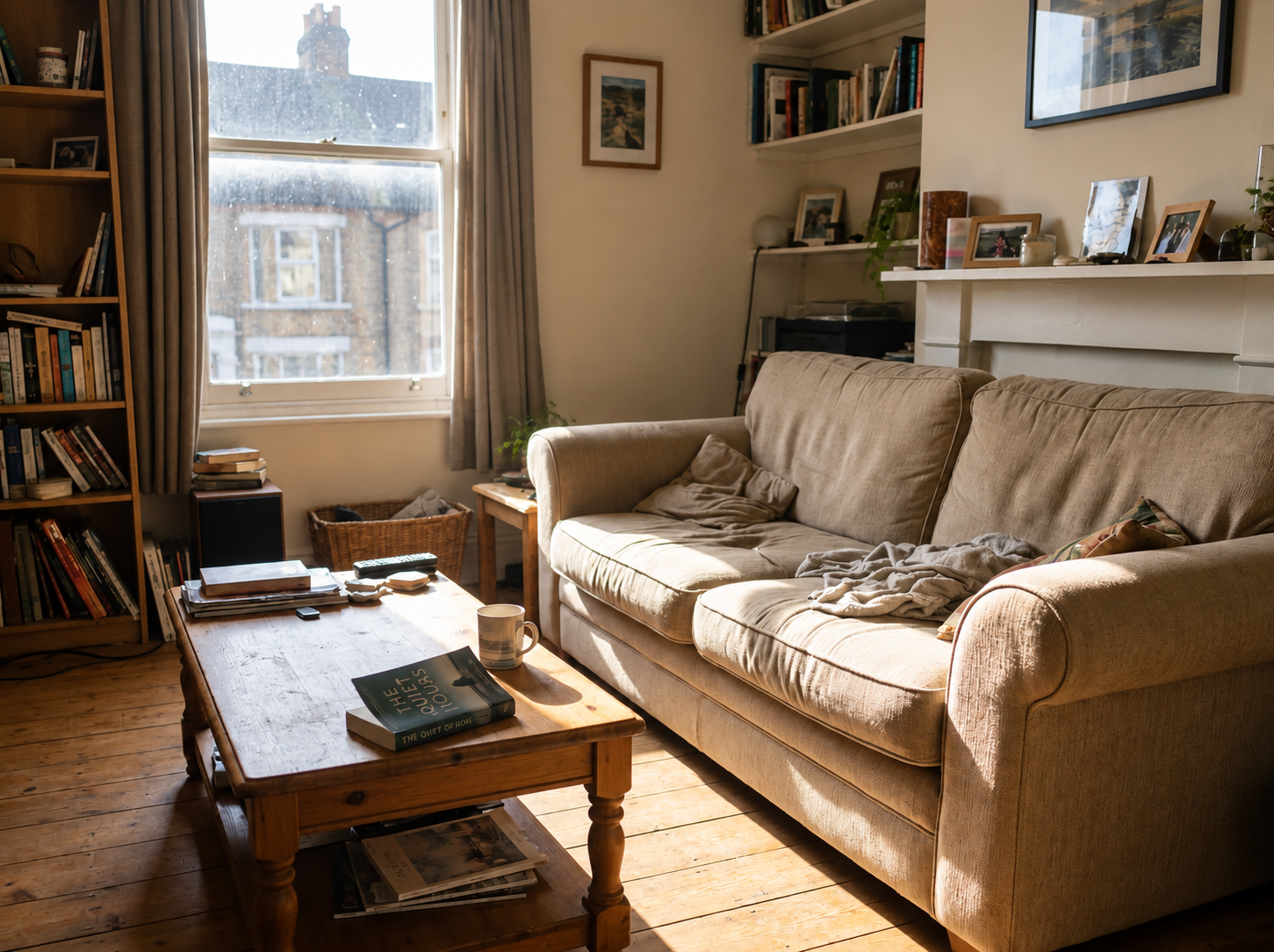
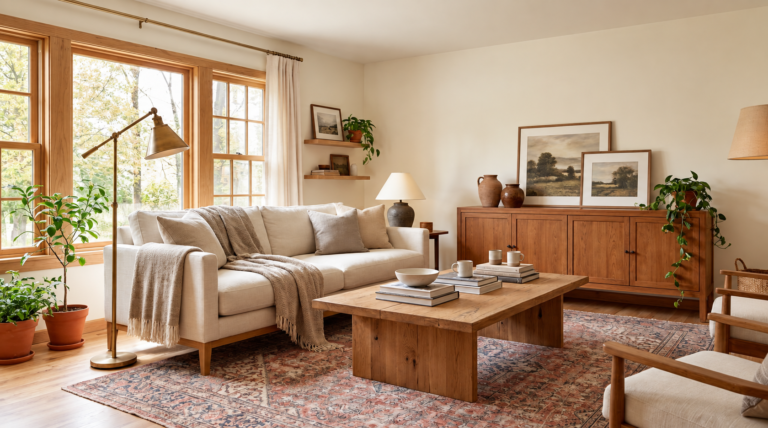
The homes you see online are frozen at their most perfect moment. Real home decor has to work through the entire day — shifting with the light, collecting small signs of life, and still holding its quality even when nothing is perfectly in place.
The best interiors look considered through ordinary hours, not only when a camera happens to be present. A room that falls apart the moment someone actually uses it was never truly designed — it was only ever staged.
Personal Details Can Make a Room Feel Different Online
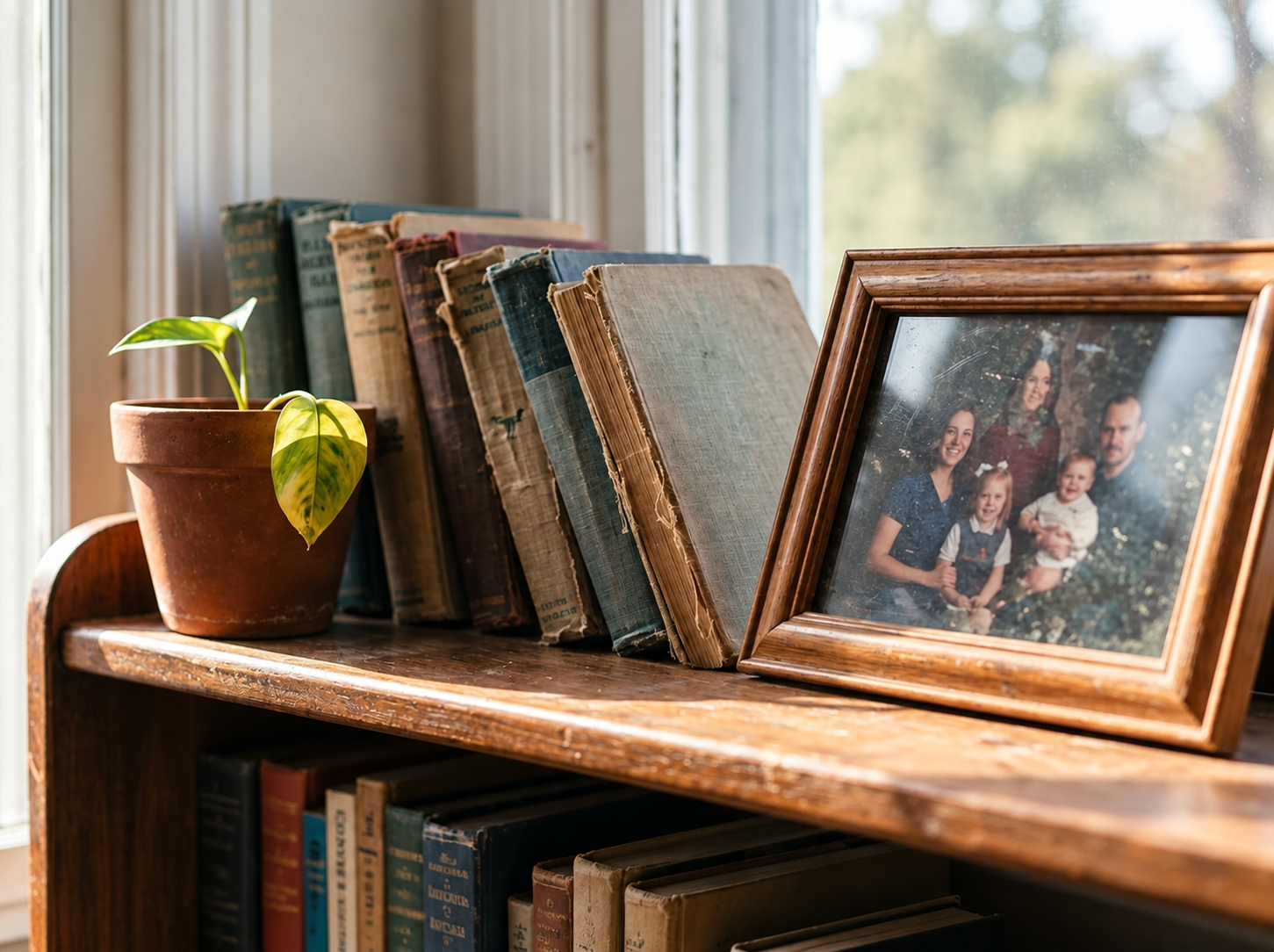
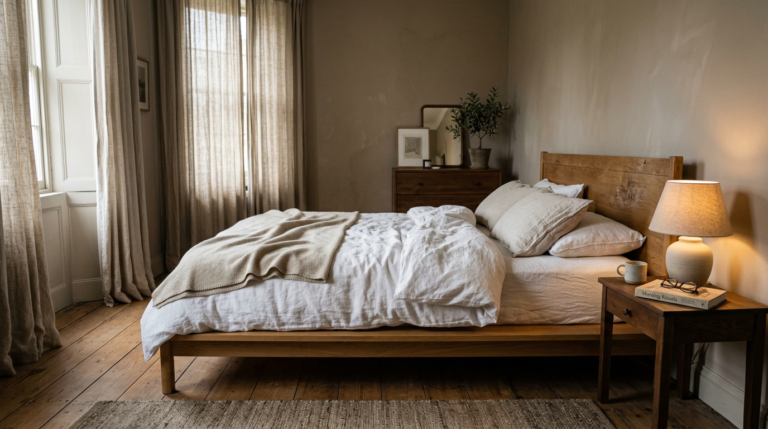
The objects that make a home feel genuinely yours are often what make interior design inspiration feel so different from real life. A book left open, a plant that has grown past its pot, a chair placed for actual comfort rather than visual symmetry — these are the details that make a space feel loved rather than assembled.
Photographs tend to flatten that warmth into something more neutral and universally appealing. A room that feels deeply personal and alive in person can appear quite ordinary in an image — which is why comparing your home to a styled photo is rarely a fair or useful exercise.
Your Home Has to Work for Real Life, Not Just the Camera
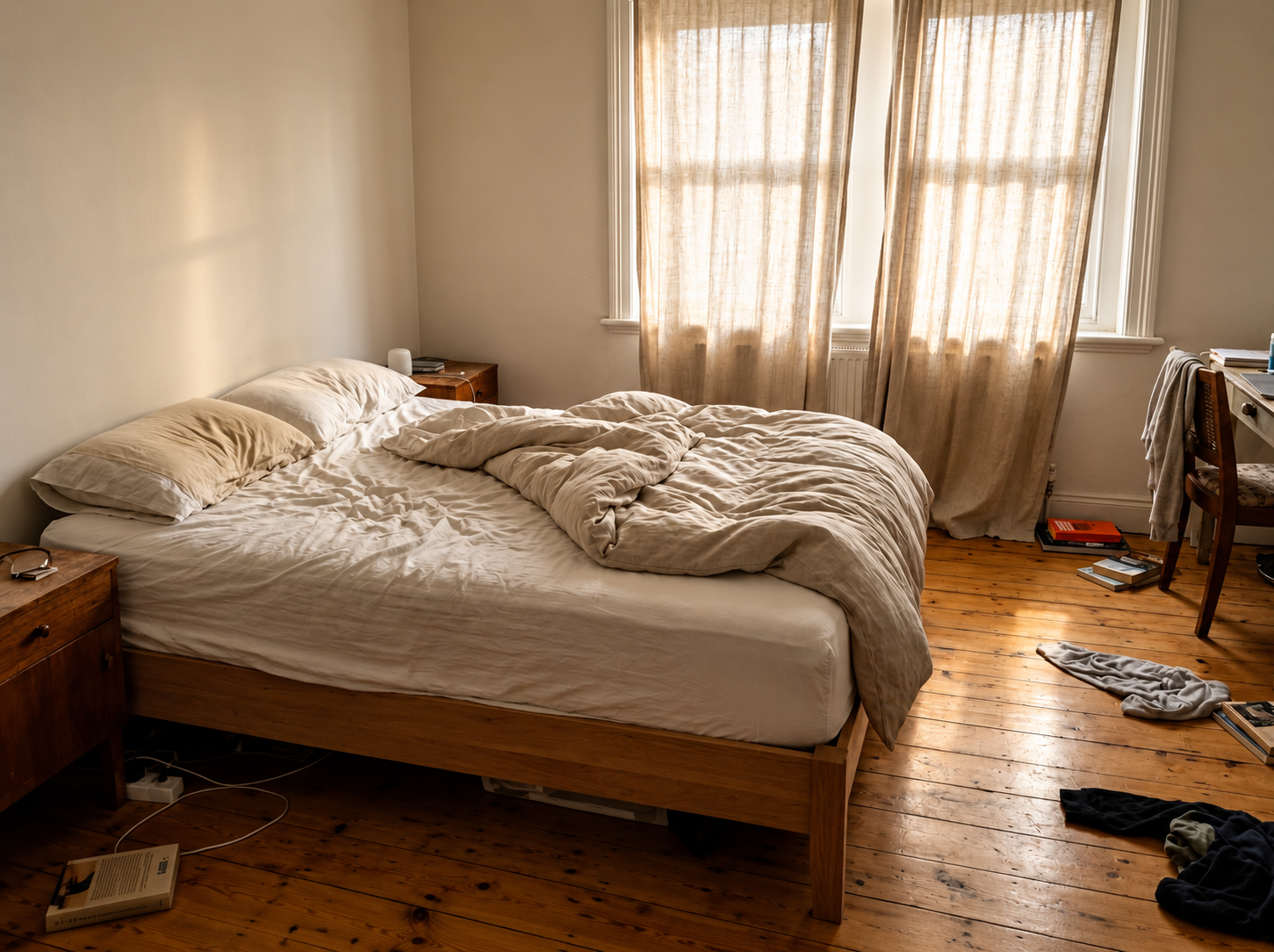
Styled interiors are arranged for one viewpoint and one moment. Choosing home styling ideas that support how you actually move through the space — where you sit, what you reach for, how the room needs to feel at seven in the morning — is what separates a home from a set.
A home that genuinely works for the people inside it will always feel better in person than any photograph can capture. That is not a flaw in the home — it is evidence that it was designed for the right reasons.
Create the Feeling Without Copying the Photograph
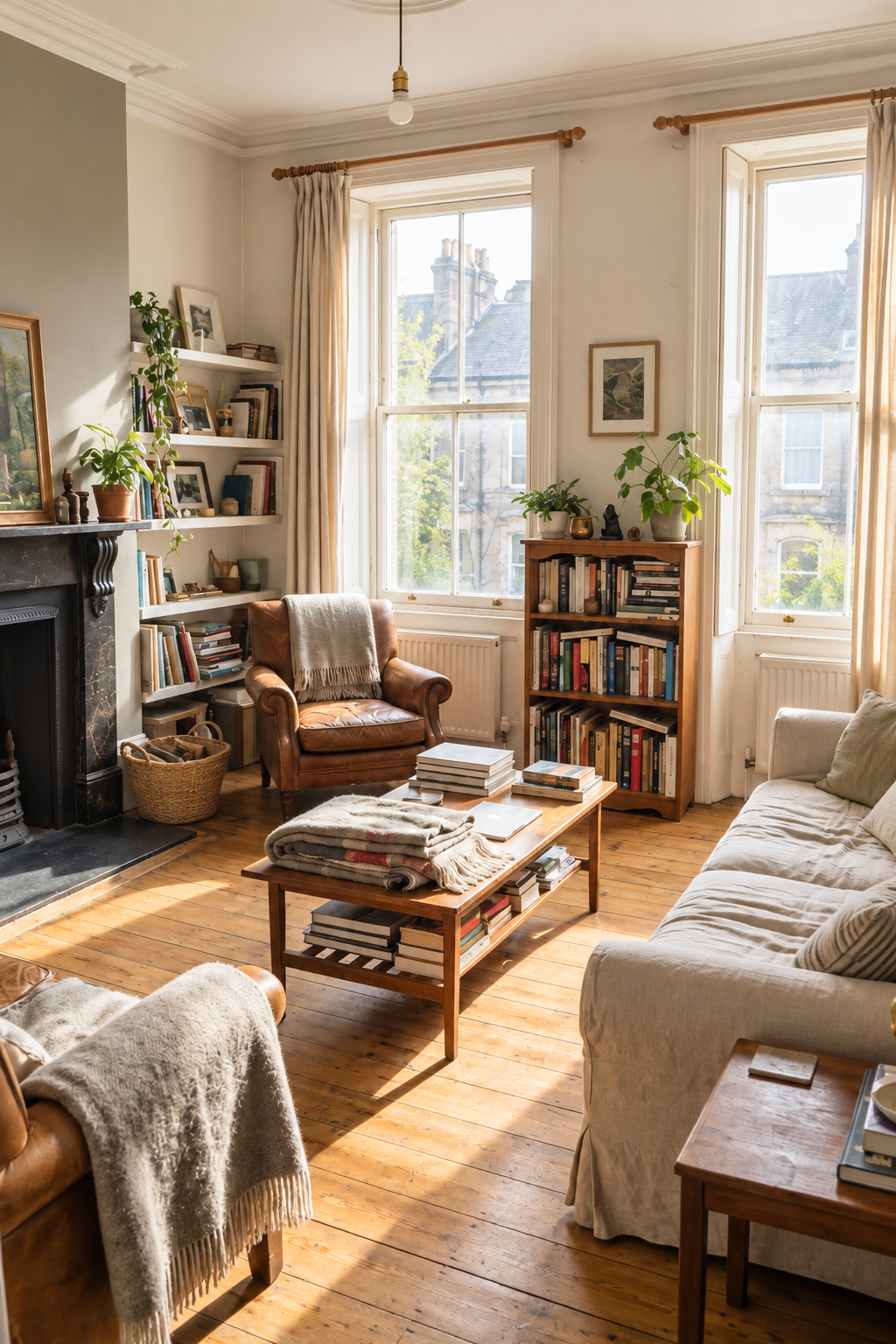
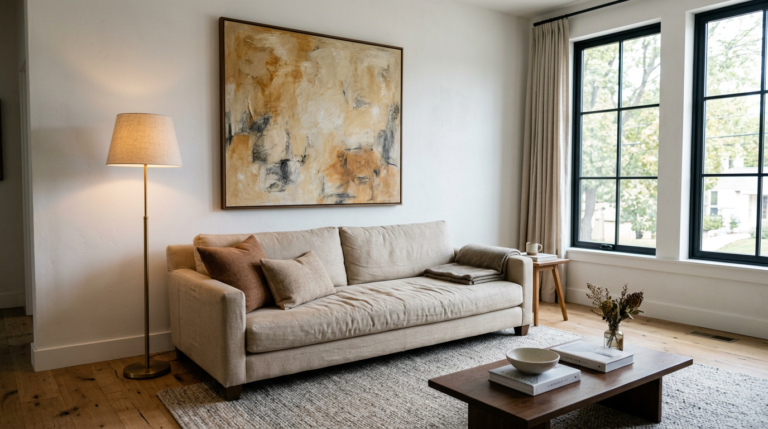
The feeling a photograph communicates — calm, warmth, a sense that every object belongs — can be created without replicating the image exactly. Use interior design inspiration as a guide to atmosphere rather than a shopping list, and focus on what the image is doing at a deeper level: its tonal palette, the quality of light, the negative space between objects.
The rooms that truly achieve that quality are the ones where the feeling was pursued rather than the specific arrangement. Chasing a mood is always more productive than recreating a photograph piece by piece.
The Little Messes Photos Always Leave Out
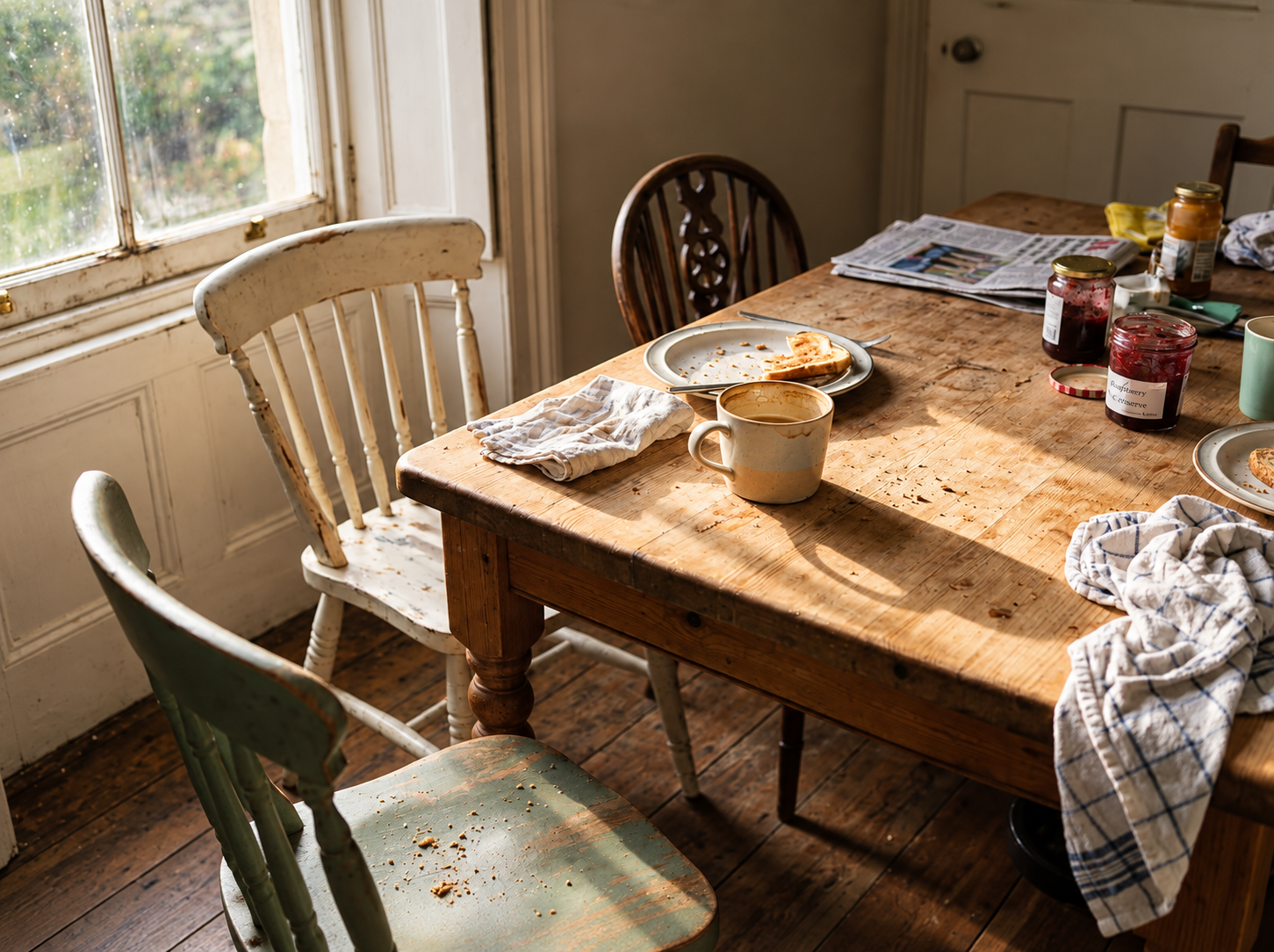
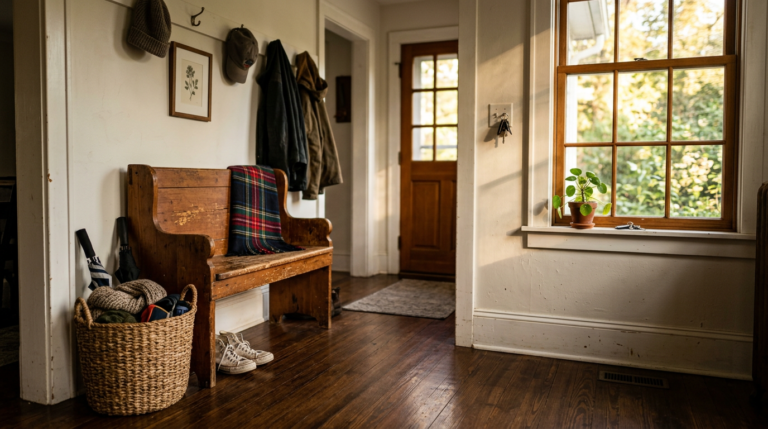
Every interior photograph is edited before it is published — not just digitally, but physically in the room itself. The reality of beautiful home decor always includes the things removed before the shutter closes: the coat on the chair, the glass on the side table, the shoes near the door.
These are not failures of design. They are evidence of a lived-in home — one that is genuinely being used by the people who chose it. The goal was never to match the photograph. It was to create a space that feels good to live in every ordinary day, regardless of whether anyone is watching.
Frequently Asked Questions
Interior photographs are always taken at a carefully prepared moment — objects removed, lighting adjusted, every surface cleared. Your home is seen throughout the entire day, which is a far more honest comparison. The gap is not a design failure; it is the difference between a moment and a life.
Use photographs to identify the feeling rather than the specific objects. Ask what the image is doing with light, tone and space — then pursue that quality using what you already have. Inspiration used that way produces something more personal than copying ever could.
Yes — and that is the real mark of a well-designed interior. When the proportions are right and the materials are warm, a room holds its quality through everyday disorder. Tidy is a condition; well-designed is permanent.
Familiarity, warmth and the sense that the space was made for them. A home feels beautiful when it fits the life inside it — when the furniture is in the right place, the light is comfortable and the personal details are allowed to exist without apology.