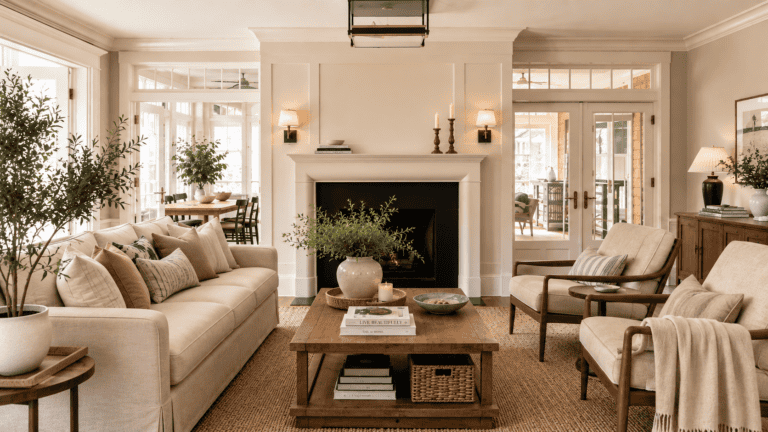
The Living Room Mistake That Makes Every Room Look Smaller
When Too Much Furniture Starts Closing In the Room
Most living rooms don’t feel small because they actually are small. They feel small because they’re holding far too much — and nothing has been arranged with any real intention behind it.
A sofa pressed flat against the wall, a coffee table that leaves barely enough room to walk past — piece by piece, the room quietly closes in around you.
When furniture arrangement overwhelms a living room, the air disappears first. Then the light. Then the ease of simply being in the space.
The fix rarely means buying anything new. It almost always means removing what’s already there — or repositioning it with a clearer sense of purpose.
Key Points
Give the Room More Visual Breathing Space
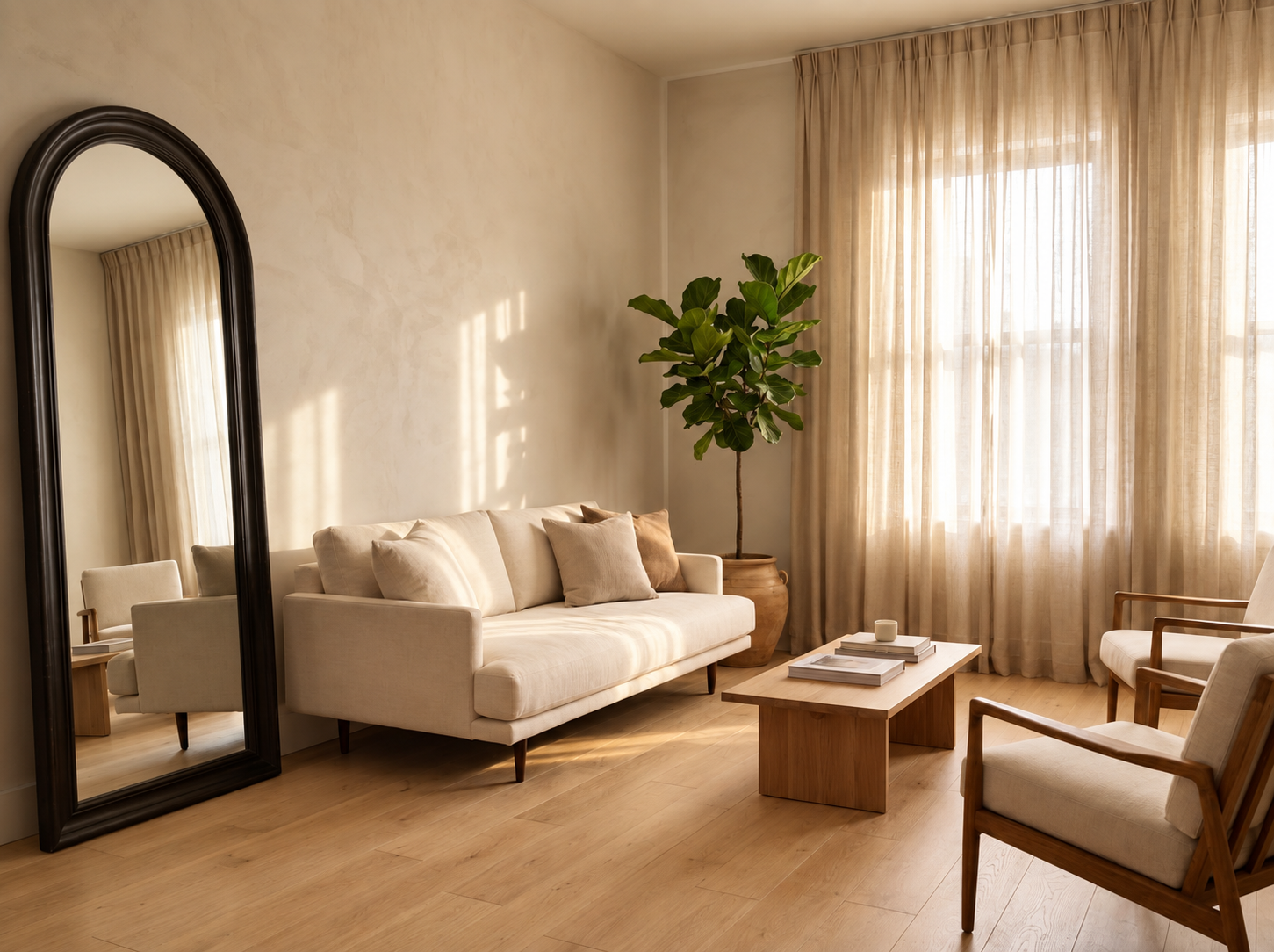
Visual breathing space isn’t about making a room feel empty. It’s about giving the eye somewhere natural to rest between one object and the next.
Start with the sofa. Pulling it away from the wall — even four to six inches — immediately changes the character of the room. Then look honestly at what’s covering your coffee table and surrounding surfaces.
Leave one object rather than three. One candle rather than a cluster. The room will immediately begin to exhale, and what you do keep will finally have room to be noticed.
Keep the area directly in front of windows as unobstructed as possible. Light is space, and protecting the path it travels through the room costs nothing.
Let the Furniture Layout Open Up the Floor
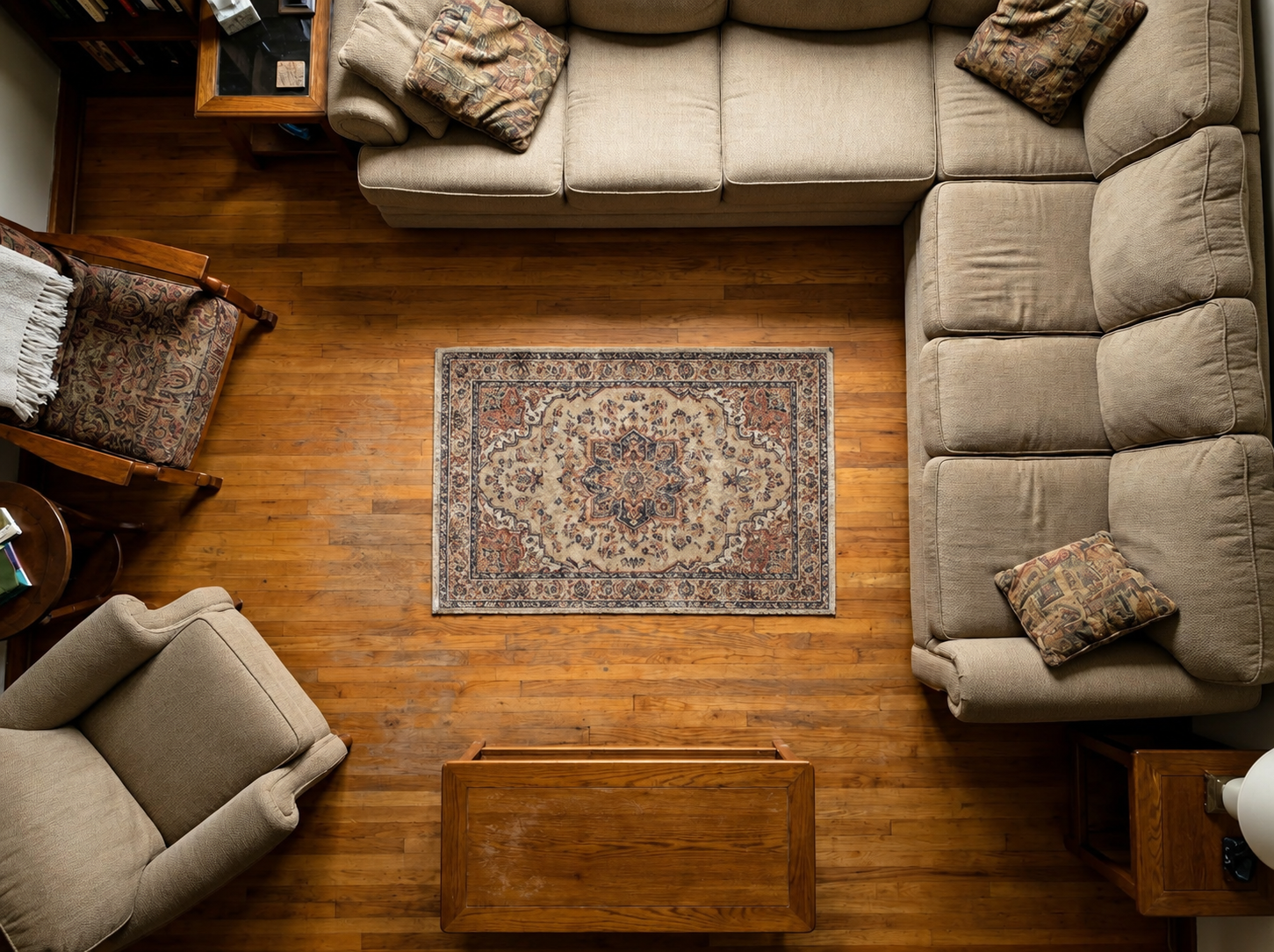
Floor space is consistently the most underestimated element in any living room. When you can genuinely see the floor stretch across the room, the space immediately reads as larger and more deliberate.
Rather than pushing every piece flat against a wall, try rotating a chair slightly toward the seating group. That small adjustment creates a natural conversation corner and makes the living room feel more considered without consuming more floor space.
Aim for roughly eighteen to twenty-four inches between the sofa and the coffee table. Generous enough to move freely, close enough to remain comfortable and functional.
Can you walk from the entrance to the seating area without turning sideways? If not, the layout is quietly working against the room — and rearranging for clearer movement often creates more space than removing furniture entirely.
Don’t Leave Furniture Floating Without a Purpose
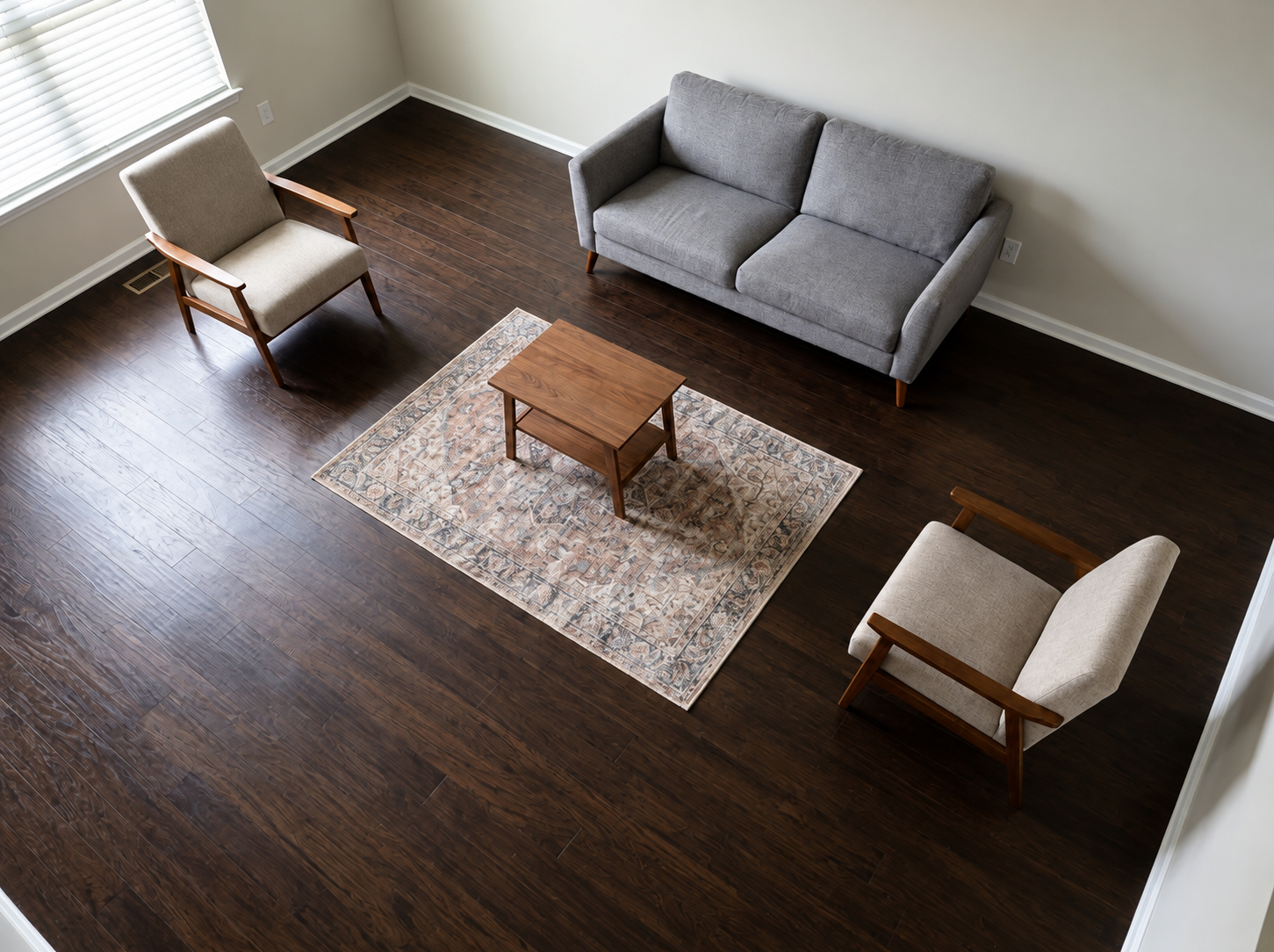
A chair placed randomly in a corner with no visual relationship to anything around it is, in most cases, worse than having no chair there at all. Floating furniture creates background noise that reads as clutter even in a technically tidy room.
Every piece should have a clear reason for being exactly where it is. A chair should face something worth facing. A side table should sit within reach of seating. A genuinely warm living room is built from deliberate choices, not gradual accumulation.
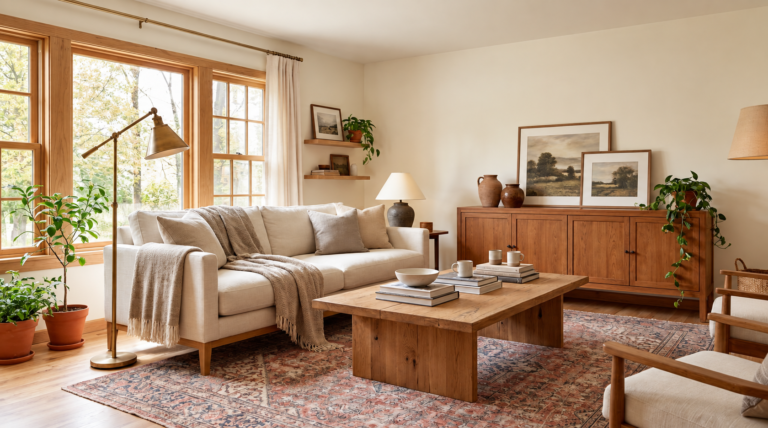
Ground every seating area with a rug. Even a modest one pulls the furniture together, defines the zone clearly, and makes the whole arrangement feel resolved rather than accidental.
Create a Living Room That Feels Open and Easy
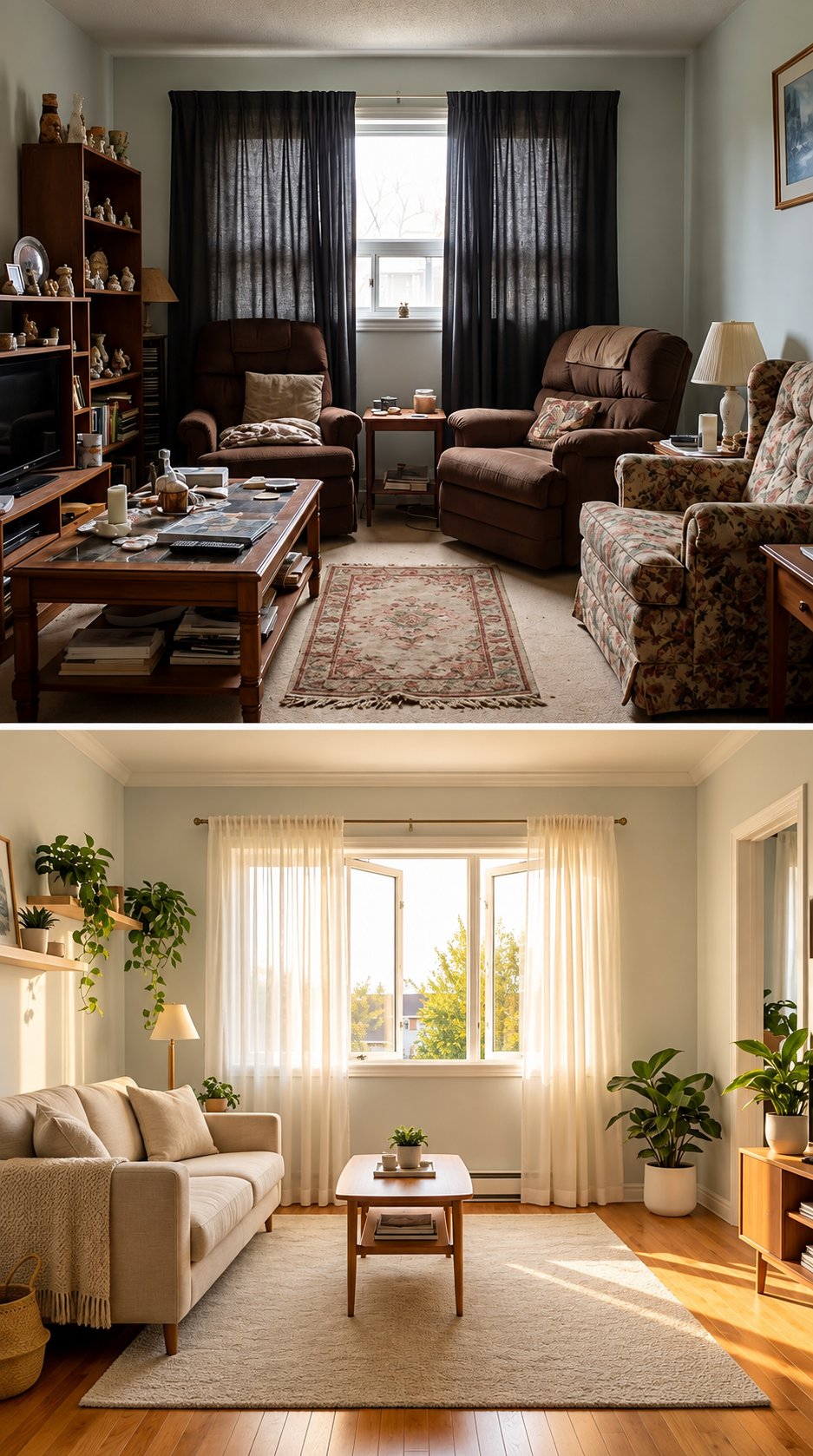
An open living room isn’t a sparse one. The rooms that feel genuinely easy are those where everything has been placed with care — arranged so nothing is competing with anything else for attention.
Scale matters enormously. A sofa that fits the wall it anchors, chairs that don’t overwhelm their corner — correct proportion is one of the quietest markers of a room that looks expensive.
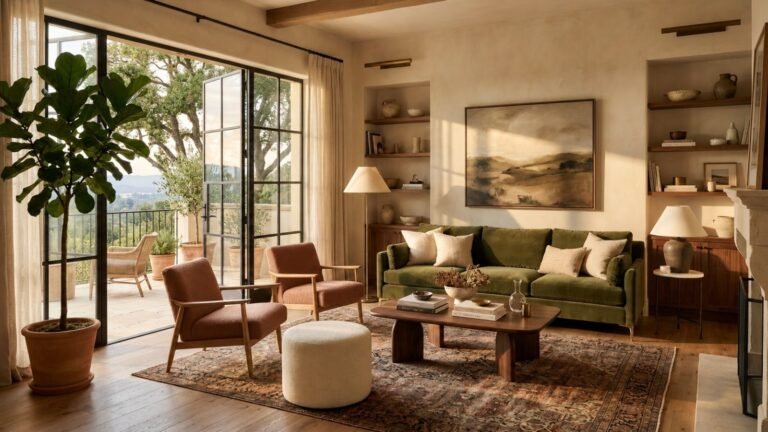
Furniture with visible legs is worth prioritising. The eye naturally travels beneath those legs, creating an impression of floor space even when the square footage hasn’t changed.
Let the upper portion of the wall remain clear. A living room opens considerably when that space stays uncluttered — the room feels taller and more generous for it.
Watch How Dark, Heavy Pieces Affect the Room
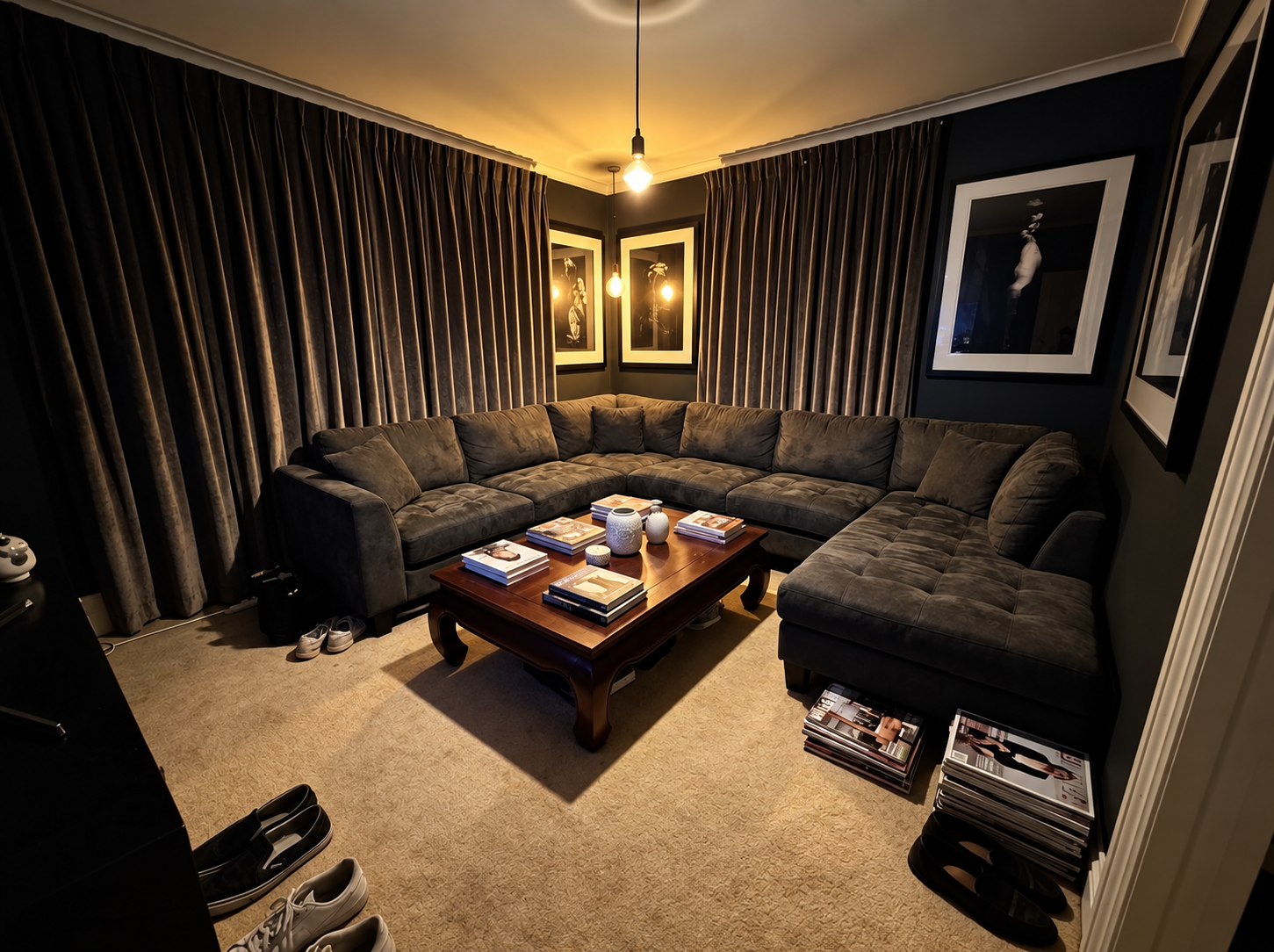
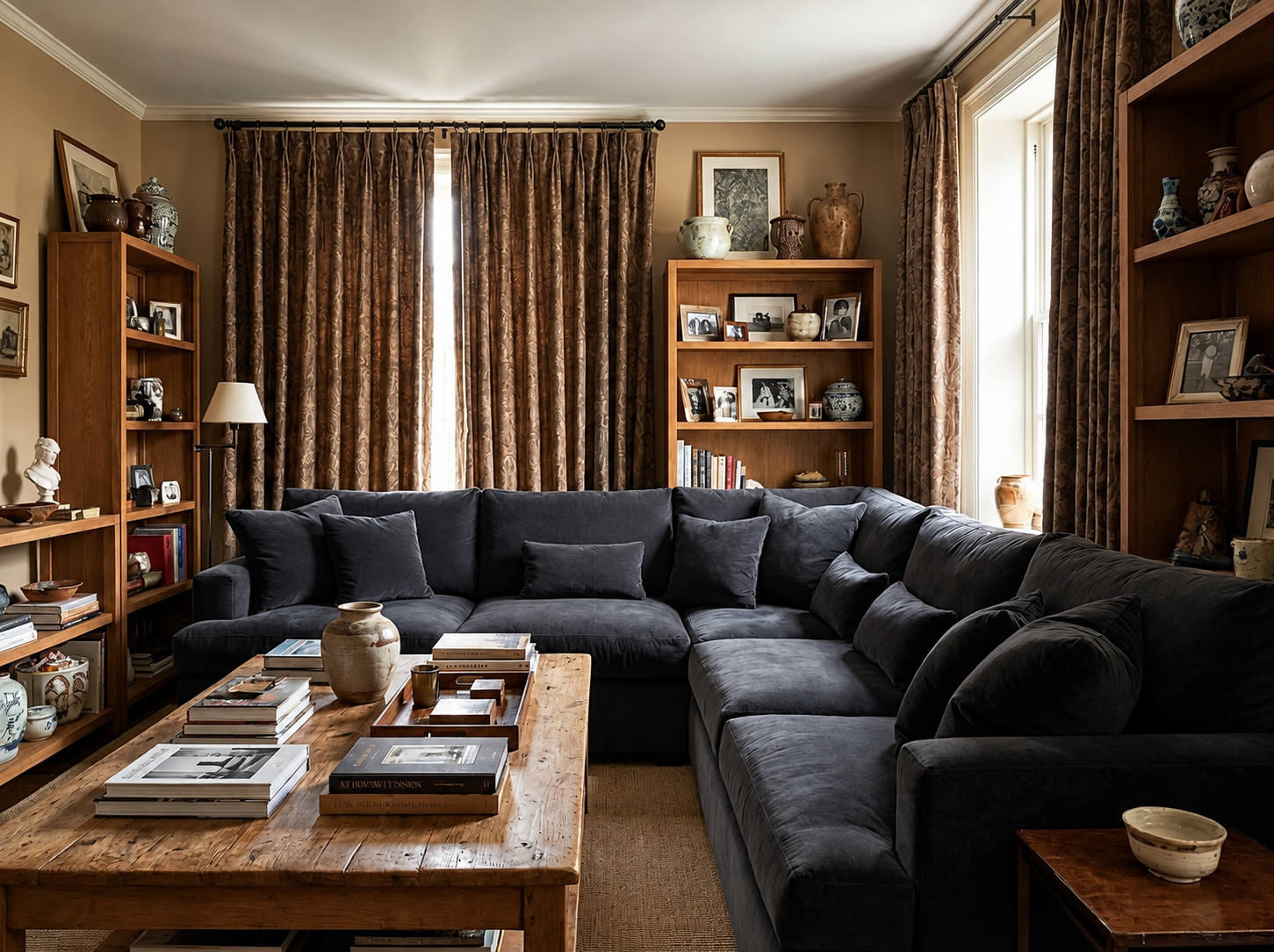
Colour and material weight shift the feel of a room more than most people account for. A dark sofa occupies visual space as well as physical space — the eye lingers on heavy pieces longer, making the room feel denser than it actually is.
This doesn’t mean dark furniture should be avoided. One heavy piece surrounded by lighter, quieter elements can make the whole space feel warmer and more resolved.
Lightweight curtains hung close to the ceiling and falling cleanly to the floor stretch the room upward. Heavy drapery that pools on the ground does precisely the opposite.
The most open-feeling rooms carry one or two anchor pieces in deeper tones, surrounded by lighter elements that allow the room to expand around them. It’s always a balance of weight and ease.
Frequently Asked Questions
Pulling a sofa four to eight inches away from the wall is usually more than enough. It creates a sense of depth behind the piece and stops the room from feeling as though everything has simply been pushed aside. Even a small gap makes a visible and immediate difference.
Not always. Removing the wrong pieces can leave a room feeling unbalanced rather than open. What matters more is the arrangement and proportion of what remains. Three well-placed pieces will consistently feel more spacious than five with no clear relationship to each other.
A rug that is too small almost always makes a room feel more disjointed, not less. The front legs of all seating pieces should comfortably sit on the rug. A properly sized rug unifies the furniture group and makes the surrounding floor space feel deliberate rather than leftover.
Yes, but it needs to be handled with care. One dark anchor piece surrounded by lighter walls, pale flooring, and restrained accessories can work very well. The difficulty comes when multiple heavy pieces compete in the same space at once. Contrast is what allows dark furniture to feel grounded rather than overwhelming.