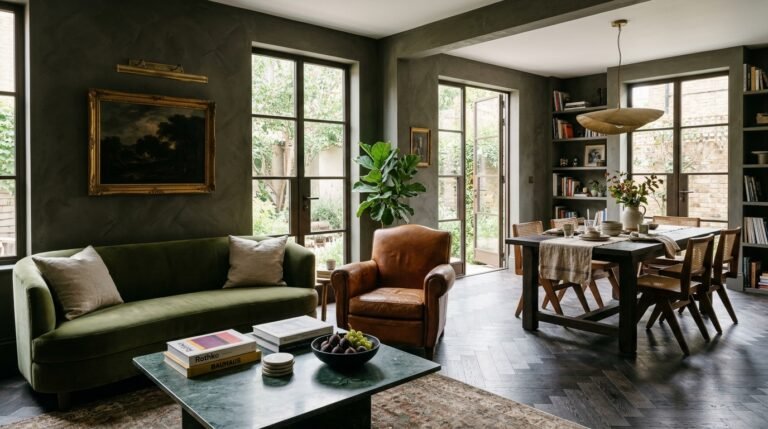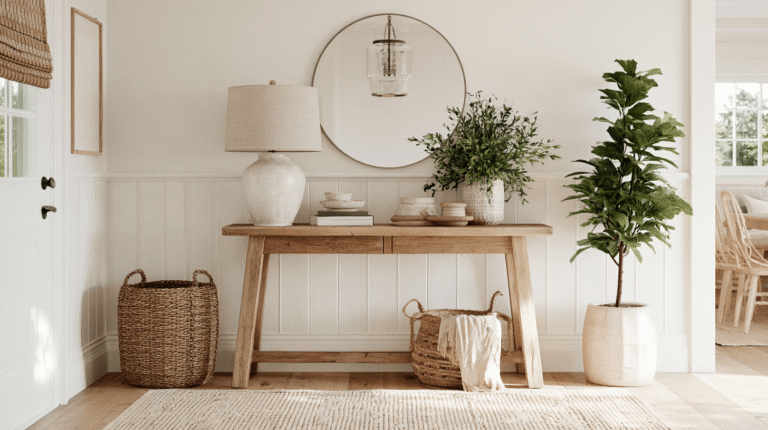
How to Create a Home That Feels Warm, Personal and Beautiful
Here’s how to create a home that feels warm, personal and beautiful — through natural materials, honest imperfection, and small personal touches.
Start With a Space That Feels Warm and Inviting

There is a warmth that has nothing to do with temperature. You feel it the moment you step through a door — a quiet ease, as though the room was waiting for you. It does not come from expensive furniture or carefully curated collections.
Most people underestimate how much natural light transforms the mood of a living space. A thin linen curtain that filters morning sunlight will do more for a room than almost any piece of furniture.
Warmth begins with materials. Wool, linen, timber, ceramic and stone all carry a natural weight that synthetic surfaces cannot replicate. Understanding how to layer natural textures at home is one of the most practical steps toward a space that feels truly inviting.
- Layer natural light with warm-toned lighting
- Choose natural materials like wool, linen and timber
- Add texture before adding more furniture
Create Small Corners That Feel Personal
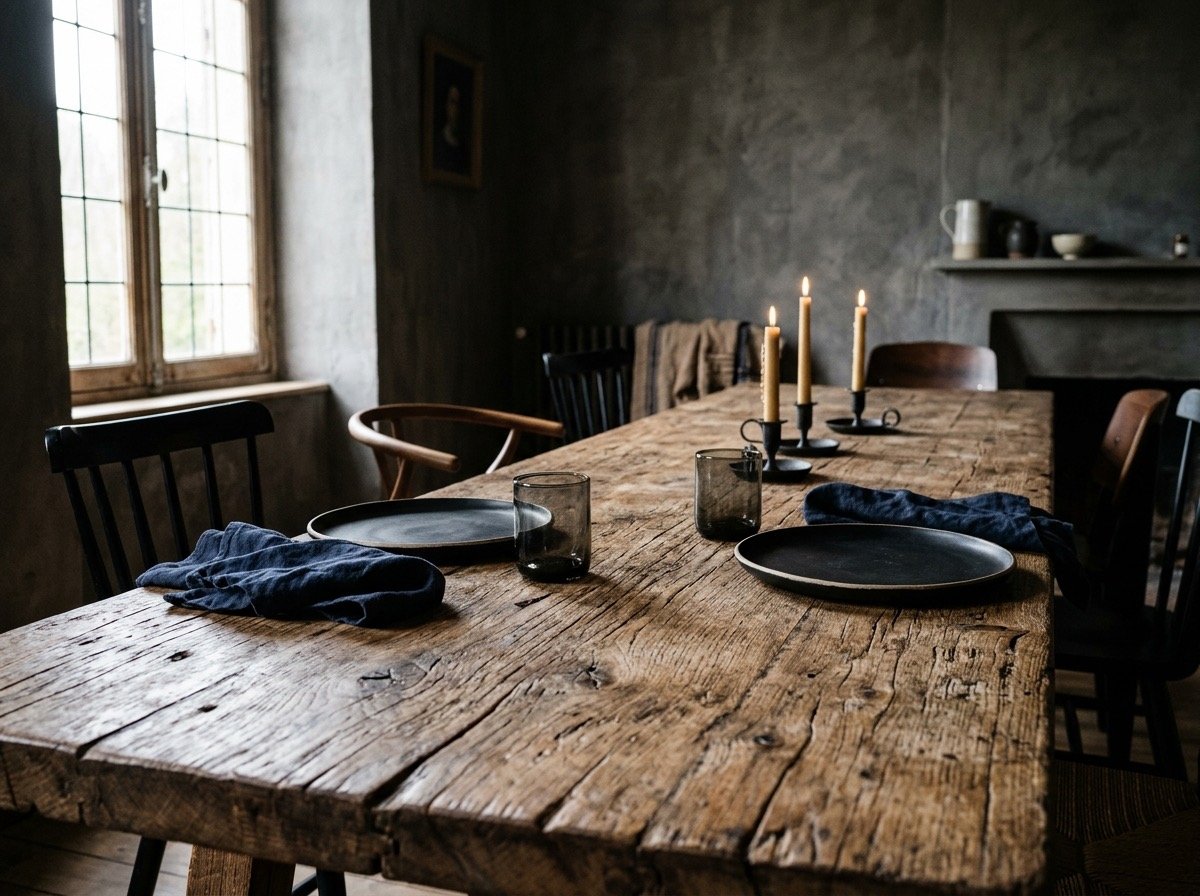
Not every room needs to announce itself. Some of the most memorable spaces reveal themselves slowly — a small shelf of meaningful objects, a chair angled toward a window, a single print that tells you something about the person who chose it.
These quiet corners are where interior character is actually built. They are not designed all at once — they accumulate, a book added here, an inherited object placed there.
Think about where you naturally pause in your home. Those places already carry meaning — they simply need a little more intention.
Choose Meaningful Details Over Perfect Decor
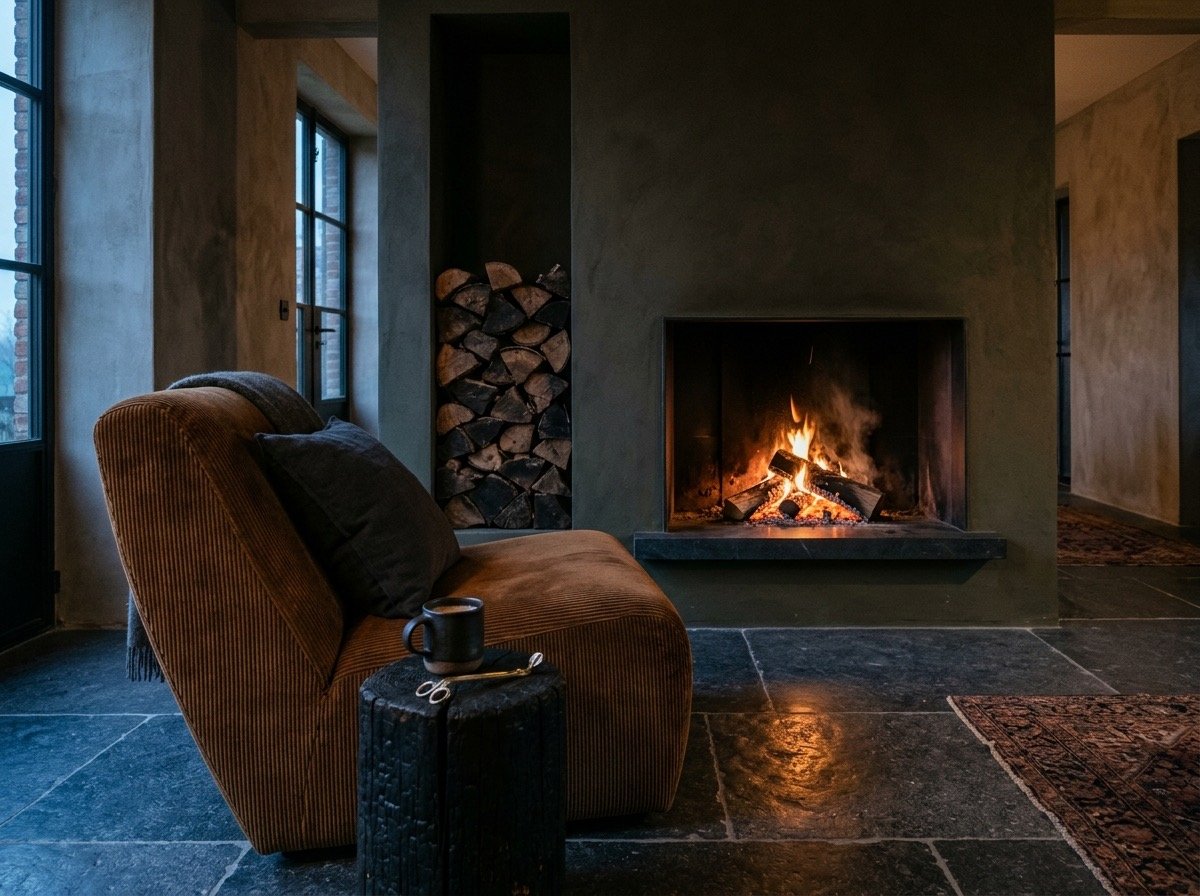
There is a trap most people fall into when decorating a home — the pursuit of a perfectly finished room. Every cushion coordinated, every surface curated. The result is a space that looks beautiful in photographs and feels strangely empty in person.
The homes that actually feel good to be inside are ones allowed to develop imperfectly. A ceramic mug kept on a shelf because it is beautiful, a small painting bought from a local market that still makes you pause. Exploring how to decorate with meaningful objects is a far more satisfying path than chasing seasonal trends.
Choosing meaningful details over trend-driven decor is one of the simplest decisions you can make. Trends move quickly. The objects you genuinely love rarely go out of style.
Fill Your Home With Things That Tell Your Story

Every home eventually tells a story. The question is whether that story belongs to its owner or to whoever designed the furniture it came from. Filling a space with things that carry personal meaning is the most direct way to make a home feel authentically yours.
This does not require collecting expensive art or hunting rare vintage markets. It requires paying attention to what you already love — the books you return to, the objects gathered from places that mattered. Many homeowners are rediscovering that personal curation consistently outperforms expensive styling.
Decorating with personal items and sentimental objects develops slowly, through decisions made without pressure — and that unhurried quality gives these spaces their lasting warmth.
Layer Comfort, Texture and Everyday Beauty

The idea that comfort and beauty must exist separately is one of the more persistent misunderstandings in interior design. The most inviting rooms are almost always both.
Layering is the technique that makes this possible. A linen sofa becomes softer with a wool throw over one arm, a timber table feels more alive beside a ceramic vase. Learning how to layer textiles and soft furnishings is one of the most rewarding skills any homeowner can develop.
Adding texture and natural materials to interior spaces is one of the most effective ways to make a home feel genuinely beautiful. The goal is not to add more things — it is to let the right things exist together.
This kind of beauty reveals itself quietly — to the person sitting in the corner chair at a certain hour, or to a guest who pauses and is not entirely sure what made them stop.
Let the Kitchen Hold Its Own Quiet Warmth

The kitchen is rarely treated as a place for personality in home decor — yet it is often the room where a home feels most lived-in. A worn wooden spoon kept in view, an aged copper pot hung rather than hidden: these small choices turn a functional space into one that feels genuinely warm.
You do not need a full renovation to achieve this. Swapping a few hidden items for open, well-loved pieces, choosing warm-toned lighting over harsh overheads, and allowing a little imperfection to remain visible are often enough.
Creating a Warm, Personal Home — FAQs
Begin with lighting. Replace one or two overhead bulbs with warm-toned alternatives and add a single table lamp where you spend the most time. Then layer in one soft textile — a throw, a cushion or a simple rug. These small changes consistently have the greatest effect on how a space feels.
Wool, linen, cotton, raw timber, ceramic, stone and rattan all carry a natural warmth that synthetic materials rarely replicate. Two or three natural materials used consistently throughout a space will create a far more cohesive result than a wider variety of mixed finishes.
Gradually, almost always. Rooms decorated entirely in one session tend to feel uniform and slightly staged. The homes with the most character have been allowed to develop slowly — one meaningful object added at a time. This unhurried approach allows a genuine story to form.
Absolutely. Personal warmth comes from objects, textiles, light and arrangement — none of which require permanent changes. Rugs, lamps, throws, artwork leaned against walls and meaningful objects can transform a neutral rented interior without a single nail. The character lives in what you bring to the space.